WhatsApp: +86 16626708626
 Email:
  Phone: +86 16626708626
Description
3. Key Technical Specifications
| Parameter | Specification Value |
|---|---|
| Manufacturer | Kawasaki Robotics |
| Part Number | 50999-2820 (Revision: 50999-2820R01) |
| Controller Series | Kawasaki C/D/E Series Controller Cabinets |
| Functionality | Controller line interface, signal distribution, system bus communication |
| Operating Input Voltage | 24 VDC (internal controller backplane supply) |
| I/O & Bus Support | Serial/Bus lines, discrete digital I/O channels |
| Operating Temperature | 0°C to +45°C (32°F to +113°F) |
| Mounting Style | Internal rack/chassis card slot mounting |
| Diagnostics | Onboard status LEDs for power rail, bus activity, and communication errors |
4. Product Introduction & Supply Chain Strategy
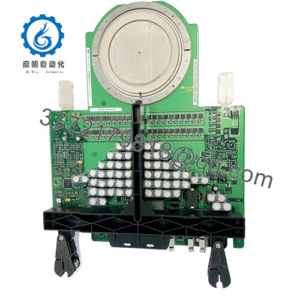
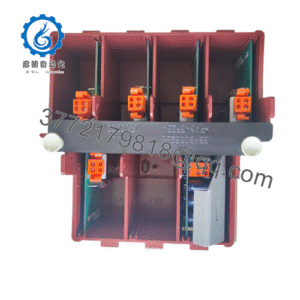
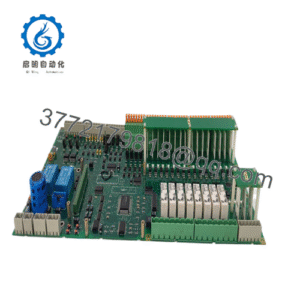
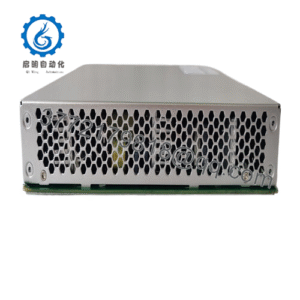
The Kawasaki 50999-2820 is an internal electronic control and line interface board designed for Kawasaki industrial robot controller cabinets. Installed within the controller rack assembly, it manages internal bus communications, processes I/O control signals, and facilitates real-time data flow between the main processor board, teach pendant interface, and manipulator servo drives in high-speed welding, material handling, and assembly cells.
This product is a Brand New Surplus unit. It is not used, not pulled from a decommissioned welding cell, and not refurbished. All modules undergo thorough physical and electrical verification to guarantee OEM factory performance. Keeping a genuine New Surplus 50999-2820 board in local plant inventory prevents unplanned automotive or manufacturing line shutdowns when a board fails from thermal cycling or electrical surges. Refurbished robot controller boards often carry invisible board strain, cracked solder pads under surface-mount components, or degraded logic chips that cause intermittent communication drops during robot motion routines. Securing factory-fresh surplus guarantees uncompromised circuit integrity, precise timing signals, and maximum operational uptime.
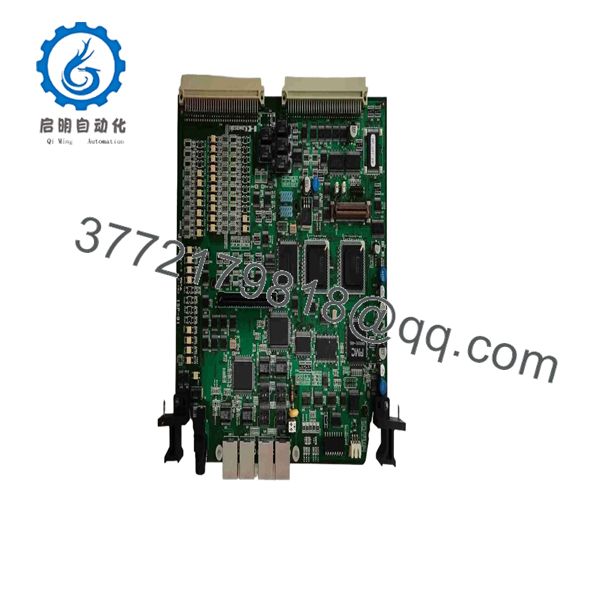
50999-2820
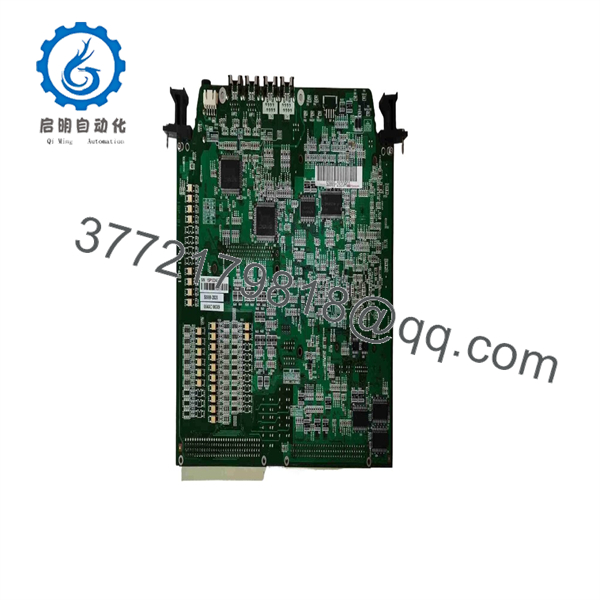
50999-2820
5. Installation & Configuration Guide
1
Pre-Installation Preparation & Safety
Perform cabinet shut-down, isolate main breaker, and apply LOTO
1.Pre-Installation Preparation & Safety:Perform cabinet shut-down, isolate main breaker, and apply LOTO.
Power down the Kawasaki robot controller completely and turn off the main circuit breaker. Enforce Lockout/Tagout (LOTO) protocols on incoming AC power. Put on an ESD-grounded wrist strap before opening the cabinet enclosure to prevent static damage to sensitive microcontrollers.
2
Legacy Board Extraction
Disconnect cable harnesses and unfasten card retention lock
2.Legacy Board Extraction:Disconnect cable harnesses and unfasten card retention lock.
Label and disconnect all multi-pin harness connectors, ribbon cables, and ground leads attached to the front panel of the 50999-2820 board. Loosen the card-guide mounting screws or release the locking levers to slide the old PCB smoothly out of its slot.
3
Mechanical Mounting & Hardware Matching
Match DIP/jumper positions and slide board into chassis slot
3.Mechanical Mounting & Hardware Matching:Match DIP/jumper positions and slide board into chassis slot.
Inspect the new 50999-2820 card and ensure all hardware DIP switches, jumpers, and board revision settings match the original unit precisely. Align the board with the controller chassis guide rails, firmly press it into the backplane connector, and tighten all retention fasteners.
4
Power-On Verification & Motion Testing
Re-attach field harnesses, power up cabinet, and execute test program
4.Power-On Verification & Motion Testing:Re-attach field harnesses, power up cabinet, and execute test program.
Reconnect all cable harnesses securely. Restore main power to the robot controller and observe the onboard status LEDs during boot sequence. Verify that no communication error codes (e.g., system bus fault alarms) appear on the teach pendant, then run the robot at low speed in teach mode before resuming full production.
6. Firmware/Software Versions & Upgrade Notes
- Revision Codes: Confirm board suffix revisions (such as -2820R01 or compatible series like -2821) match your specific cabinet generation.
- Hardware Settings: The 50999-2820 relies on hardware DIP switches and jumper configurations for bus termination and node addressing. Mirroring the original board’s settings prior to installation is required for correct system recognition.
- Plug-and-Play Replacement: No external software flash or program upload is required on the board itself; configuration logic is managed via the controller’s primary CPU card once hardware bus communication is established.
7. Frequently Asked Questions (FAQ)
Q: Is this Kawasaki 50999-2820 board Brand New Surplus or refurbished? A: This board is 100% Brand New Surplus stock. It has never seen active operation on a production floor, exhibits zero backplane connector wear, and is stored in protective anti-static packaging.
Q: Why choose New Surplus over a refurbished robotic control board? A: Robotic control cabinets experience continuous electrical cycling and elevated interior temperatures. Refurbished boards often have stressed solder joints or aged capacitors that lead to random intermittent communication faults during automated work cycles. Buying New Surplus ensures original circuit tolerances and long-term reliability.
Q: Does replacing the 50999-2820 erase the robot’s zero-point or teaching programs? A: Replacing this line interface board does not erase taught programs or robot calibration (as-built zero positions), as those are stored on the controller’s main CPU/SRAM memory cards. However, always ensure a full software backup (.as file) is maintained prior to cabinet maintenance.
Q: What are the primary causes of failure for this interface board? A: Electrical surges on plant I/O lines, loose terminal connections causing arcing, and thermal buildup due to clogged controller cabinet cooling fan filters are the primary causes of failure.
Q: What warranty is provided with this New Surplus component? A: This Kawasaki 50999-2820 board comes with a full 1-year replacement warranty covering hardware integrity and functional operation.