WhatsApp: +86 16626708626
 Email:
 Phone: +86 16626708626
Description
Key Technical Specifications
| Parameter | Specification |
|---|---|
| Manufacturer | KEBA |
| Product family | KEMRO K2-400 |
| Model | CP 450/C |
| Module type | Controller / motion-control module |
| CPU | Motorola 68030, 32-bit |
| Reported CPU frequency | 25 MHz |
| DRAM | 32 MB |
| Flash memory | 8 MB |
| Battery-backed SRAM | 256 KB |
| System voltage | 24 VDC |
| RS-232 | 2 ports |
| Ethernet | 1 × Ethernet, reported 10/100 Mbps |
| CAN interface | 1 × CAN/CANopen |
| USB | 1 × USB |
| Internal bus | APN-bus |
| Protection | IP20 / control-cabinet installation |
| Operating temperature | Reported −20°C to +60°C |
| Dimensions | Approximately 210 × 150 × 60 mm, depending on configuration |
| Weight | Approximately 1.5 kg, depending on configuration |
Specification note: Publicly indexed documentation for the exact CP 450/C is limited. The processor, memory, interface, environmental, and dimensional data above are based primarily on current reseller and secondary technical listings rather than a directly accessible KEBA CP 450/C datasheet. Confirm the nameplate, hardware revision, firmware version, and option configuration before using these values for engineering replacement or system design.
Product Introduction
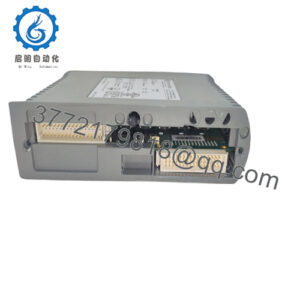
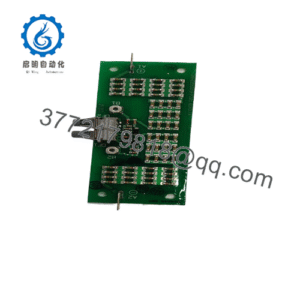
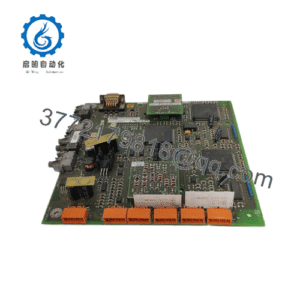
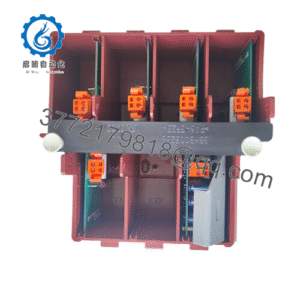
The KEBA KEMRO K2-400 CP 450/C is a controller module for the legacy K2-400 automation platform. It provides the processing required for machine logic, communication, I/O coordination, and motion-control functions within a modular KEBA control system.
The CP 450/C is particularly relevant when maintaining existing machinery built around the KEMRO K2 platform. Replacement should be treated as a system-matching task: hardware revision, firmware, memory configuration, communication interfaces, and machine-specific application software should be checked against the installed controller before commissioning.
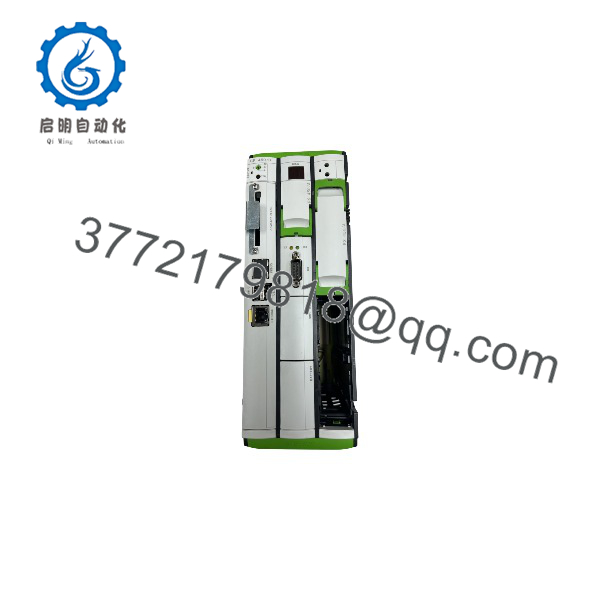
KEMRO K2-400 CP 450/C
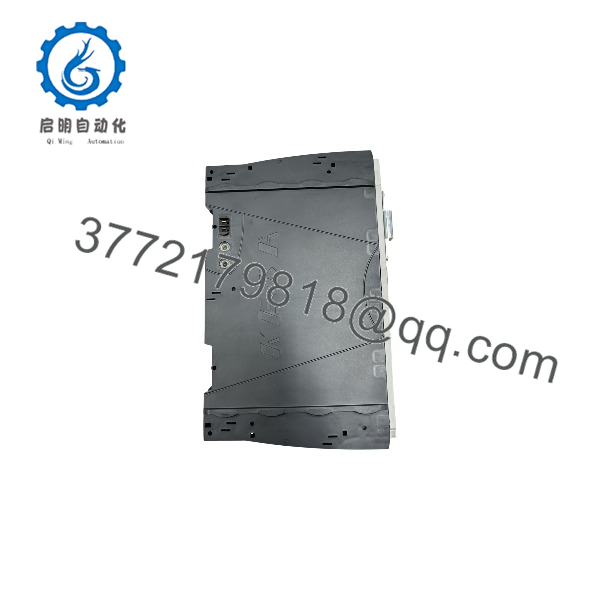
KEMRO K2-400 CP 450/C
Installation & Configuration Guide
Stage 1 — Pre-Installation
- Record the complete identification from the existing controller, including CP 450/C, hardware revision, serial number, and any additional KEBA material number.
- Photograph the existing module, backplane connections, communication wiring, and switch or configuration settings.
- Back up the machine application, controller parameters, recipes, axis data, and other machine-specific configuration before removing the existing unit.
- Verify that the replacement has the same hardware revision and required communication options.
- Confirm the K2-400 backplane and adjacent modules are compatible with the replacement controller.
- Isolate the machine from its 24 VDC control supply and follow the machine manufacturer’s lockout/tagout procedure.
Stage 2 — Removal
- Shut down the machine through its normal controlled procedure.
- Disconnect the 24 VDC supply and verify the absence of voltage.
- Label communication and field wiring before disconnecting any connectors.
- Remove the CP 450/C from the K2-400 mounting/backplane arrangement according to the machine service documentation.
- Protect the removed controller from electrostatic discharge and contamination.
Warning: Do not remove or insert the controller while the backplane is energized unless the exact hardware revision and system documentation explicitly permit live replacement. The safer maintenance procedure is to isolate power first.
Stage 3 — Installation
- Inspect the replacement CP 450/C connector surfaces for contamination, bent contacts, or mechanical damage.
- Verify module orientation before insertion.
- Install the controller into the correct K2-400 position.
- Reconnect the communication interfaces using the original wiring configuration.
- Confirm cabinet grounding and cable shielding.
- Verify 24 VDC polarity and supply voltage before energizing the controller.
- Restore the machine-specific application and configuration only after confirming compatibility between the replacement controller and the installed system.
Stage 4 — Power-On and Testing
- Energize the control system while keeping hazardous machine movements inhibited.
- Check controller status and diagnostic indications.
- Verify communication with the HMI and other K2 modules.
- Confirm all required I/O modules are detected correctly.
- Check axis feedback and command channels before enabling motion.
- Test machine functions at reduced or safe operating conditions.
- Verify emergency-stop, safety interlock, limit-switch, and other machine protection circuits before returning the equipment to production.
- Record the installed controller revision and final configuration for future maintenance.
FAQ
Is the KEBA KEMRO K2-400 CP 450/C still a current-generation controller?
The K2-400 platform is a legacy KEBA automation platform. Current secondary-market documentation describes the CP450/C as a discontinued/legacy component. Availability therefore depends largely on replacement-stock and surplus inventories rather than normal new-production supply.
Is CP450/C the same as CP450?
They should not automatically be treated as interchangeable. Listings identify both CP450 and CP450/C within KEBA product inventories, so the complete designation and hardware revision should be checked against the installed module before purchase.
What should I check before ordering a replacement?
At minimum, provide the complete controller designation, KEBA material/order number if available, hardware revision, firmware version, machine manufacturer/model, and a photograph of the existing nameplate. This helps distinguish CP450/C variants and prevents an electrically similar but incompatible controller from being supplied.
Does replacing the CP 450/C automatically restore the machine program?
Do not assume that it does. Machine application software, parameters, recipes, axis configuration, and controller-specific data depend on the particular machine implementation. Make a verified backup before replacement and confirm the actual data-retention architecture of the installed system.
Does the CP 450/C use battery-backed memory?
Secondary technical listings report 256 KB of battery-backed SRAM for the CP 450/C. Because battery configuration and retention behavior can vary by hardware revision, inspect the actual controller and service documentation before performing battery maintenance.
What communication interfaces are associated with the CP 450/C?
Current product listings identify two RS-232 interfaces, one Ethernet interface, one CAN/CANopen interface, and one USB interface. The exact functions available to the machine application depend on the controller configuration and installed firmware.
Can I use a CP 450/C in a new machine design?
For a new machine, the legacy K2-400 platform should be evaluated carefully against current KEBA controller platforms, software support, and lifecycle requirements. The CP 450/C is primarily relevant as a maintenance or replacement component for existing K2-400 installations.
What condition should I specify when purchasing a replacement?
Specify whether you require New Original, New Surplus, or Used/Tested equipment. For a critical production-machine replacement, also request the actual nameplate photograph, hardware revision, firmware information, test status, and warranty terms rather than relying only on the CP 450/C model designation.