WhatsApp: +86 16626708626
 Email:
  Phone: +86 16626708626
Description
Key Technical Specifications
- Laser Type: Class II Helium-Neon (He-Ne), dual-frequency (Zeeman split)
- Wavelength: 633 nm
- Reference Frequency: 1.9 to 2.4 MHz (Option H10: 2.2 to 2.4 MHz)
- Maximum Target Velocity (linear optics): 500 mm/s — this places the 5517B at the lower-speed end of the 5517 family, suited to machine tool applications rather than high-velocity stage motion
- Warm-Up Time: 90 minutes
- Beam Diameter: 6 mm
- Output Power: 120 µW minimum, 1 mW maximum
- Beam Height: 79.5 ± 1.0 mm
- Weight: 3.4 kg (7.5 lb)
- MTBF: Greater than 50,000 hours, typical
- System Compatibility: Pairs with the 5528A Dynamic Measurement Display and optics such as the 10705A Linear Interferometer, 10706C Environmental Compensation Unit, 10702A Angular Optics Kit, and 10707A Straightness Optics Kit
Product Introduction
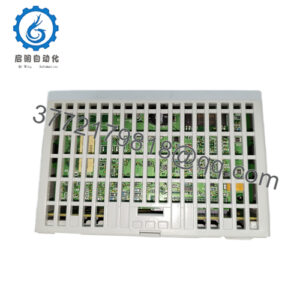
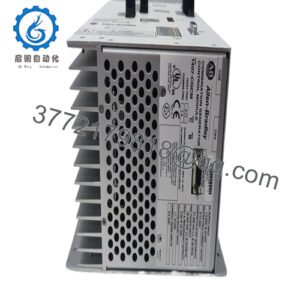
The 5517B is a dual-frequency Helium-Neon laser head built for VME- and PC-based laser interferometer systems, originally sold under the HP name and carried forward through Agilent to today’s Keysight product line. It generates a stabilized 633 nm beam at 1.9 to 2.4 MHz reference frequency for precision displacement and position measurement.
Labs and machine shops keep sourcing this exact model because it’s matched to the slower end of the family’s velocity range — 500 mm/s with linear optics — which fits machine tool calibration work rather than high-speed stage applications. Swapping in the wrong variant from the 5517 family for a faster or slower application can throw off measurement accuracy even though the laser head looks identical.
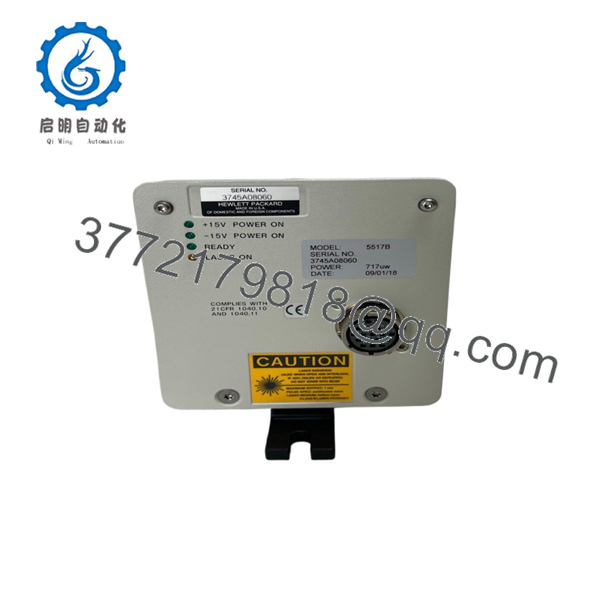
5517B
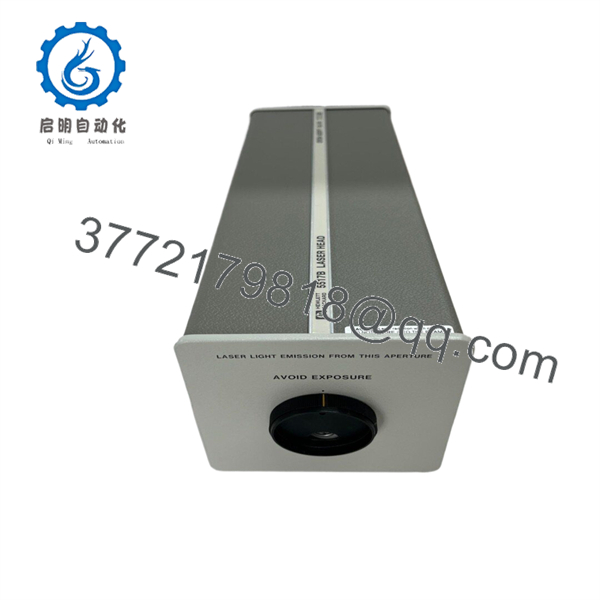
5517B
Troubleshooting Quick Reference
| Symptom | Possible Cause | Relevance to this Part | Quick Check Method | Recommendation |
|---|---|---|---|---|
| No laser output / system reports no signal | Laser tube reaching end of life, or a failed internal power supply | ✅ High | Check for a visible beam at the output aperture using an IR viewer card | Verify system cabling and the receiver end first before condemning the laser head |
| Measurement dropouts at longer distances | Output power has degraded below the 120 µW minimum spec as the tube ages | ✅ High | Measure output power at the aperture with a laser power meter | Replace the head if output reads under the minimum rated power |
| Frequent “loss of beam” errors during a moving measurement | Beam misalignment or contaminated optics somewhere along the path — not necessarily the laser head | ❌ Low | Inspect and clean the interferometer optics and beam path | Rule out external optics contamination before replacing the laser head |
| Measurement readings drift or are unstable early in a session | Laser hasn’t completed its full warm-up cycle | ⚠️ Medium | Confirm the full 90-minute warm-up period has elapsed before starting calibration | This is normal behavior within the warm-up window, not a fault |
| Reference frequency reads outside the 1.9–2.4 MHz spec | Internal frequency stabilization drifting with age | ⚠️ Medium | Measure the reference frequency output against the rated spec (2.2–2.4 MHz for Option H10) | Persistent out-of-range readings indicate the head needs replacement |
If these checks don’t resolve the issue, contact technical support with your measured output power, reference frequency reading, and the specific system (5527A, 5528A, etc.) you’re running it with.
Frequently Asked Questions (FAQ)
Can I swap a 5517B in for a 5517A or 5517D in my existing system?
Physically, the laser heads in this family are similar, but they’re not interchangeable on application grounds. The 5517B is rated for a maximum of 500 mm/s with linear optics — a machine-tool-speed application. Higher-velocity variants in the family exist for faster stage motion. Check your system’s actual velocity requirement before substituting across variants.
Does this laser head work on its own, or do I need other equipment?
It needs a receiver and display system to actually produce a measurement — commonly the 5528A Dynamic Measurement Display, paired with an interferometer optic like the 10705A. The laser head alone just generates the source beam; it doesn’t process or display position data.
How long before I can trust a measurement after powering this on?
Give it the full 90-minute warm-up. Measurements taken before the laser has thermally stabilized are the most common source of “why is my calibration drifting” complaints with this hardware.
Is a Class II laser safe to use around the shop floor?
Class II means the output power is low (1 mW max) and it’s generally considered eye-safe for momentary exposure, but you shouldn’t stare directly into the beam or view it through magnifying optics. Follow your facility’s standard laser safety procedures regardless of the class rating.
Can I run this on a moving target faster than 500 mm/s if I just need a rough reading?
Not recommended. Beyond the rated velocity for the optics in use, you risk losing beam lock entirely rather than just getting a slightly less accurate reading — you’ll get dropouts, not degraded-but-usable data.
If I buy this laser head, do I get the interferometer optics and display unit too?
No — those are separate part numbers (10705A, 10702A, 10707A, 5528A, etc.). Confirm exactly what you’re ordering, especially if you’re replacing a single failed component in an existing system rather than building one from scratch.
Why do I see this listed under HP, Agilent, and Keysight — which is the real manufacturer?
All three, depending on when it was made. HP’s test and measurement business spun off as Agilent in 1999, and Agilent’s electronic measurement business spun off again as Keysight in 2014. It’s the same product lineage throughout — the badge just changed with the corporate history, not the design.