WhatsApp: +86 16626708626
 Email:
 Phone: +86 16626708626
Description
Key Technical Specifications
The Kollmorgen MT308B1-E2C1 is listed by industrial parts suppliers as an MTC-series servo motor. Published specifications are not fully consistent across listings, so verify the motor nameplate and the applicable OEM documentation before selecting a drive or approving a replacement.
| Parameter | Published specification |
|---|---|
| Manufacturer | Kollmorgen |
| Model | MT308B1-E2C1 |
| Product family | MTC Servo Motors |
| Motor type | Servo motor; some listings describe a step-motor configuration |
| Mounting flange | NEMA 34, reported by Wake Industrial |
| Frame size | 90 mm, reported by Wake Industrial |
| Rated speed | 3,000 rpm |
| Continuous line current | 5.16 A RMS |
| Peak line current | 24.5 A RMS |
| Maximum line-to-line voltage | 250 V RMS |
| Feedback device | 2,048 LPR incremental encoder, as listed by Wake Industrial |
| Winding resistance | 2.11 Ω DC |
| Winding inductance | 22 mH |
| Rotor inertia | 0.0001749 kg·m² |
| Protection rating | IP65 with shaft seal, according to one listing; another lists IP00 |
| Weight | Approximately 5.1 kg, according to Wake Industrial |
Source:
Important specification discrepancy: Another supplier reports a three-phase 43 VAC configuration, a 4.79 Nm standstill torque, and a 15 A standstill current. These values do not align cleanly with the other published specifications. Do not combine figures from different listings into a single approved motor configuration. Confirm the electrical ratings against the original motor’s nameplate and OEM technical data.
Product Introduction
The Kollmorgen MT308B1-E2C1 is an industrial motion-control motor listed within the MTC servo motor family. It is intended for applications requiring controlled rotary motion, including positioning axes, machine tools, automated assembly equipment, and material-handling systems. The exact motor configuration and compatible drive should be confirmed from the nameplate and original documentation before installation.
The model’s published specifications include a rated speed of 3,000 rpm and incremental encoder feedback. These characteristics support closed-loop motion control when paired with a compatible drive and correctly configured feedback interface. Because available listings disagree on certain electrical and enclosure specifications, verify voltage, current, connector pinout, and protection rating before ordering or commissioning.
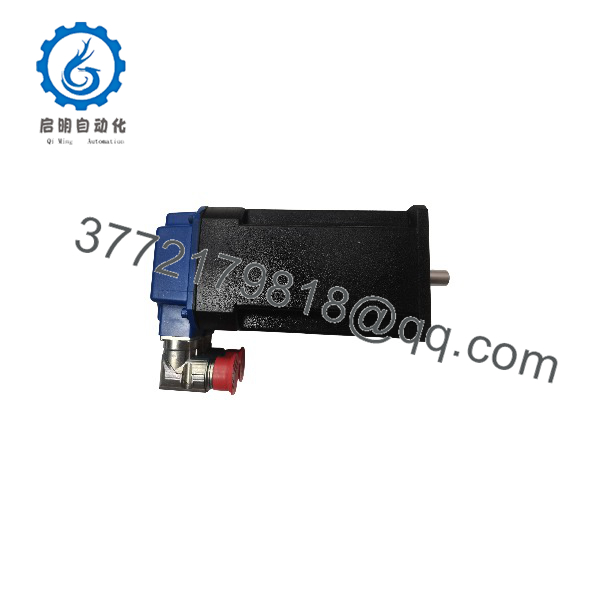
MT308B1-E2C1
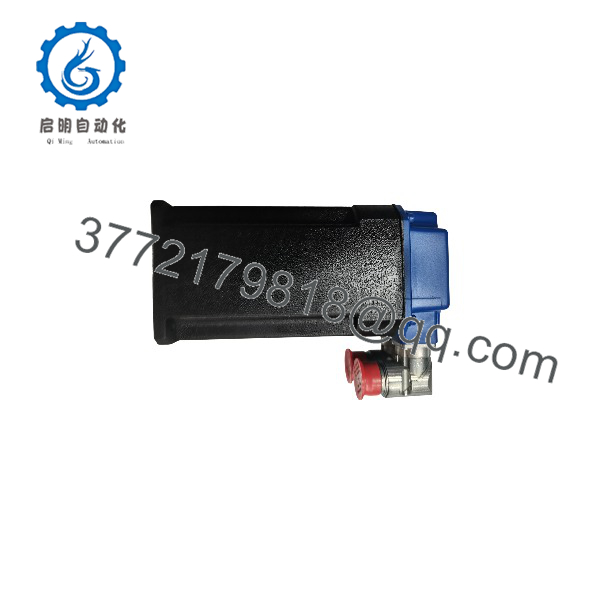
MT308B1-E2C1
Installation & Configuration Guide
The following procedure is a general servo-motor replacement workflow. It is not a substitute for the Kollmorgen installation manual for this exact configuration. Allow approximately 30–60 minutes for a straightforward replacement, with additional time for alignment, drive tuning, or fault diagnosis.
Stage 1: Pre-Installation Preparation
Estimated time: 10–15 minutes
- ⚠️ Make the machine safe. Notify operations, stop the machine, isolate the drive’s power supply, and apply lockout/tagout procedures.
- Verify that the DC bus and other stored-energy circuits have discharged according to the drive manufacturer’s instructions. Do not assume five minutes is sufficient; verify the specified discharge time and safe voltage.
- Photograph the motor nameplate, connector orientation, cable routing, mounting position, and coupling arrangement.
- Record the existing drive parameters, motor identification settings, feedback configuration, tuning values, and fault history.
- Prepare an ESD wrist strap where appropriate, insulated hand tools, a calibrated torque wrench, a multimeter, cable labels, and the correct wiring diagrams.
Critical check: Confirm that the replacement carries the complete designation MT308B1-E2C1. Similar model numbers do not establish electrical or mechanical interchangeability.
Stage 2: Removing the Existing Motor
Estimated time: 10–15 minutes
- Verify zero-energy conditions before disconnecting power or feedback cables.
- Label each connector and cable. Record pin assignments and shield termination before removal.
- Support the motor and driven load before loosening mounting bolts.
- Disconnect the coupling or transmission without applying excessive force to the motor shaft or bearings.
- Remove the mounting hardware and withdraw the motor carefully.
- Inspect the coupling, mounting face, shaft, cable connectors, and machine-side alignment for wear or damage.
⚠️ Retain the removed motor until the replacement has passed commissioning. It may be needed to confirm connector details, mechanical dimensions, or configuration markings.
Stage 3: Installing the Replacement Motor
Estimated time: 10–15 minutes
- Compare the replacement motor’s nameplate, shaft dimensions, mounting pattern, connectors, and feedback type against the original.
- Verify that the selected drive supports the motor’s electrical characteristics and feedback device.
- Inspect the shaft and coupling. Correct any alignment or mechanical condition that could introduce excessive radial or axial loads.
- Mount the motor and tighten fasteners to the torque specified by the applicable installation documentation.
- Reconnect motor power, protective earth, and feedback wiring according to the correct pinout. Do not rely on wire colors alone.
- Check cable shielding and grounding practices against the drive manufacturer’s EMC requirements.
Installation checklist
Stage 4: Power-On and Commissioning
Estimated time: 10–20 minutes, excluding tuning
- With power isolated, inspect wiring and verify that no conductors are shorted or incorrectly connected.
- Confirm the drive’s motor configuration, feedback selection, current limits, and other parameters against the approved motor data.
- Restore power following the drive manufacturer’s prescribed startup sequence.
- Check the drive status and fault log before enabling motion. Resolve any encoder, feedback, or configuration faults first.
- With the machine in a safe state, perform the prescribed feedback and direction checks. Use a low-speed test only after confirming that the machine can move safely.
- Verify rotation direction, feedback polarity, position response, and current behavior. Check for abnormal vibration, noise, or excessive heating.
- Test the application under controlled conditions before returning the equipment to production.
⚠️ Do not copy tuning parameters blindly. A replacement with different electrical characteristics or feedback configuration may require a new motor setup or servo-tuning procedure. If the drive reports an identification or feedback error, verify the configuration and wiring before attempting repeated restarts.
Frequently Asked Questions (FAQ)
Q1. What is the Kollmorgen MT308B1-E2C1 used for?
The MT308B1-E2C1 is listed as an MTC-series industrial servo motor. Typical application categories include automated machinery, positioning axes, machine tools, and material-handling equipment. Confirm the specific motor configuration and drive compatibility before using it in a particular machine.
Q2. Is the MT308B1-E2C1 obsolete?
Third-party listings describe this model as discontinued or available through industrial spare-parts suppliers. However, its official lifecycle status should be confirmed with Kollmorgen. For procurement, verify stock availability, manufacturing or surplus status, and the applicable warranty before placing an order.
Q3. Can I replace an existing motor directly with the MT308B1-E2C1?
Not without checking compatibility. Compare the full part number, rated voltage and current, shaft dimensions, mounting pattern, feedback device, connector pinout, and drive configuration. Even when the mechanical mounting fits, different feedback or electrical characteristics can prevent correct operation.
Q4. Can this motor be hot-swapped while the drive is powered?
Do not treat this motor as hot-swappable. Isolate the drive, follow lockout/tagout procedures, and verify that stored electrical energy has discharged before disconnecting the motor. Follow the specific drive manufacturer’s safety instructions.
Q5. What condition should I expect when ordering?
Condition depends on the seller’s actual inventory. Ask the supplier to distinguish among:
- New Original: Represented as unused original equipment; request supporting traceability.
- New Surplus: Unused inventory that may have been stored outside the manufacturer’s current distribution channel.
- Refurbished (tested): Previously used equipment that has undergone documented inspection or testing.
Request current photographs of the nameplate and connectors, a written condition declaration, available test records, and warranty terms. Do not assume that a listing labeled “new” establishes factory-sealed condition.
Q6. Why can the price be lower than the original manufacturer’s price?
Surplus inventory, discontinued stock, and independently sourced spare parts can have different pricing structures from current OEM distribution. A lower price does not, by itself, establish authenticity or indicate a problem. Evaluate traceability, physical condition, test evidence, return terms, warranty coverage, and delivery lead time.
Q7. What should I verify before purchasing the MT308B1-E2C1?
Provide the supplier with the complete model number and, if possible, a clear photograph of the original nameplate. Confirm:
- Exact part number and suffix
- Electrical ratings and compatible drive
- Encoder type and connector pinout
- Shaft and mounting dimensions
- Actual stock condition and quantity
- Shipping lead time and destination
- Warranty period and return policy