WhatsApp: +86 16626708626
 Email:
 Phone: +86 16626708626
Description
3. Key Technical Specifications
| Parameter | Value |
|---|---|
| Model / Article | KSD1-32 / 00-122-286 |
| Type | Single-axis servo drive module |
| Compatibility | KUKA KR C2 / KR C2 ed05 controllers |
| DC Bus Input Voltage | 0–565/675 V DC (2-phase) |
| DC Bus Input Current | approx. 19.6 / 15.7 A |
| AC Output Voltage | 3-phase 0–400/480 V AC |
| Rated Output Current | 16.0 / 12.8 A continuous |
| Peak / Acceleration Current | 32 A rms |
| Standstill Current | approx. 17 A |
| Output Frequency | 0–480 Hz |
| Control Method | Field-oriented / vector control |
| Interfaces | Encoder (resolver or sine-cosine), Interbus-S, RS-485, motor temp sensor (PTC/KTY), 24 V brake output |
| Cooling | Forced air (integral fan) |
| Protection Class | IP20 |
| Housing Size | Size 1 (same family as KSD1-08 / KSD1-16) |
| Weight | approx. 1.8–3.5 kg |
4. Product Introduction
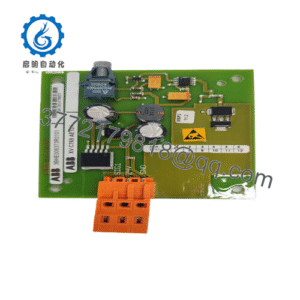
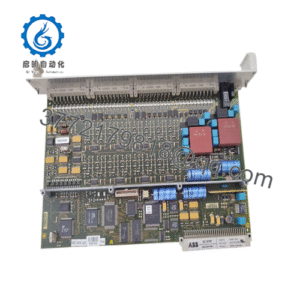
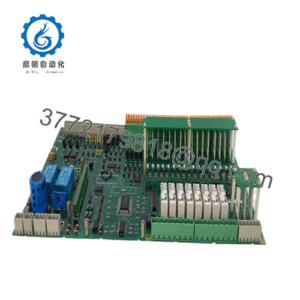
The KUKA KSD1-32 (00-122-286) is a single-axis servo drive module designed for KRC2 and KR C2 ed05 robot controllers. It converts the shared DC bus into regulated three-phase power for higher-current axes, typically used on axes 1–3 of medium-payload robots or external axes that exceed the capacity of the KSD1-08 or KSD1-16.
It delivers 16 A continuous current with 32 A peak capability, supports resolver or sine-cosine feedback, and includes motor temperature monitoring plus a 24 V holding-brake output. The module mounts on the standard KUKA drive rail and communicates via Interbus-S. As an obsolete part, tested new-surplus units remain the practical way to keep older KRC2 systems operational without redesigning the drive rack.
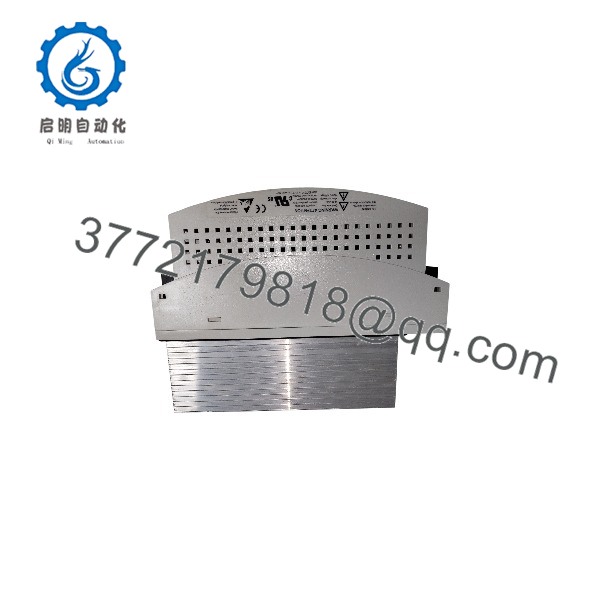
KSD1-32
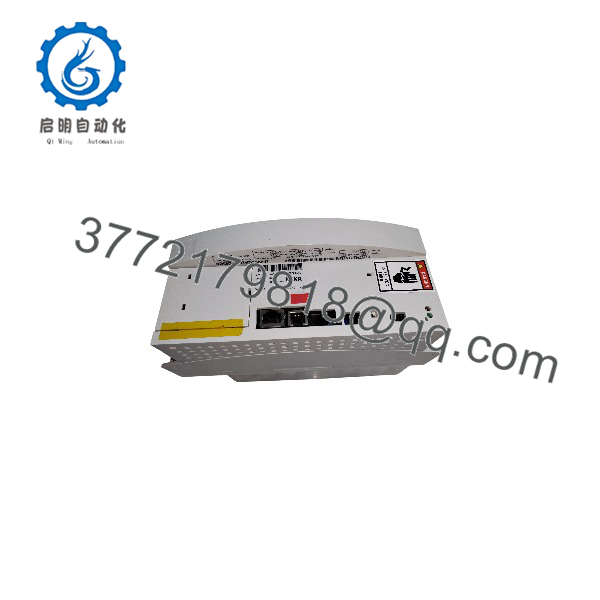
KSD1-32
5. Troubleshooting Quick Reference
| Symptom | Possible Cause | Relevance to this Part | Quick Check Method | Recommendation |
|---|---|---|---|---|
| No LEDs or fan on power-up | Missing 24 V logic or DC bus | ❌ Low | Measure 24 V logic supply and DC bus voltage at the module | Check power supply, fuses, and bus bar connections first |
| Single axis fails to move | Drive fault or encoder error | ✅ High | Read KUKA diagnostic buffer; check module LEDs | Swap with known-good KSD1-32 if buffer points to the drive |
| “Communication Timeout” on one axis | Interbus connection or firmware mismatch | ✅ High | Reseat Interbus connector; compare firmware version with other modules | Confirm firmware matches the rest of the rack |
| Over-temperature trip | Restricted airflow or failed fan | ✅ Medium | Verify fan operation and clean heatsink | Improve cabinet cooling; replace if fan is seized |
| Motor brake does not release | Missing 24 V brake output | ✅ High | Measure 24 V at brake terminals during enable | Check brake wiring and 24 V supply rail |
| Axis trips on high acceleration | Current limit or overload | ✅ High | Compare commanded current vs. drive rating in diagnostics | Confirm the axis really needs a KSD1-32 and not a larger module |
If the diagnostic buffer and LED status do not clearly isolate the drive, photograph the LEDs, capture the diagnostic log, and contact technical support before replacing the module.
6. Frequently Asked Questions (FAQ)
Q: Is the KSD1-32 still available new from KUKA?
No. KUKA discontinued the KSD1 series. Available units are new surplus (never installed) or fully tested refurbished modules. All units we supply undergo functional load testing on a KRC2 rack.
Q: Can I hot-swap a KSD1-32?
No. Always power the entire controller down and allow the DC bus capacitors to discharge before removing or installing the module. Hot-swapping can damage the backplane or the new drive.
Q: When should I use a KSD1-32 instead of a KSD1-16 or KSD1-08?
Use the KSD1-32 for axes that require higher continuous current (around 16 A) and 32 A peak. It is commonly fitted on the larger axes of medium-payload robots or external axes. Always verify the original drive rating before swapping.
Q: Do I need to change parameters after installing a replacement KSD1-32?
Usually not. Axis parameters are stored in the KRC2 controller. However, document the firmware version of the old module before removal. Large firmware differences can cause communication or performance issues.
Q: What is the difference between New Surplus and Refurbished?
New Surplus units have never been installed in a robot. They receive visual inspection, anti-counterfeit checks, and full functional testing. Refurbished units have been previously used, cleaned, repaired at component level if required, and load-tested under the same conditions.
Q: What are the most common installation mistakes?
- Failing to photograph the old module’s connectors and any configuration before removal.
- Skipping ESD protection — always wear a grounded wrist strap.
- Mixing significantly different firmware versions across the drive rack.
- Re-using damaged Interbus connectors or cables.
Follow these checks and the replacement is normally straightforward.