WhatsApp: +86 16626708626
 Email:
 Phone: +86 16626708626
Description
Key Technical Specifications
| Parameter | Specification / Value |
| Model Number | LKB2211 SuperRac |
| Manufacturer | LKB-Produkter AB / Pharmacia Biotech (Cytiva) |
| Application | Preparative & Analytical Chromatography Fraction Collection |
| Operating Voltage | 100/120/220/240 V AC (selectable switch, 50/60 Hz) |
| Power Consumption | Approx. 45 VA |
| Collection Modes | Time (0.01 to 999 min), Drop Counting (1 to 9,999 drops), Volume, Peak Separation |
| Drive Outputs | Dual-axis bipolar stepper motor driver outputs for rack positioning |
| Diverter Valve Interface | 24 V DC solenoid driver for waste/collect switching |
| Auxiliary Interfaces | UV Detector Analog Peak Input (0–10 mV / 0–1 V), RS-232 Serial Port |
| Operating Temperature | +4 °C to +40 °C (39 °F to 104 °F) (Cold-room compatible) |
| Enclosure / Mounting | Internal chassis mainboard assembly |
| Unit Weight | 1.2 kg (2.64 lbs) |
Product Introduction & Supply Chain Strategy
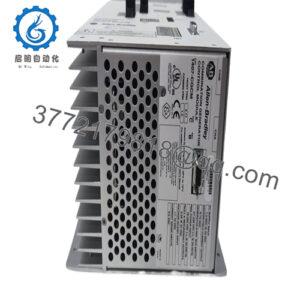
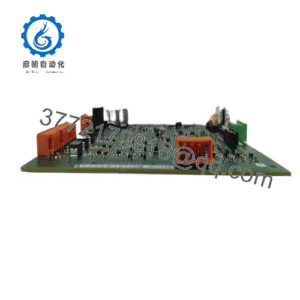
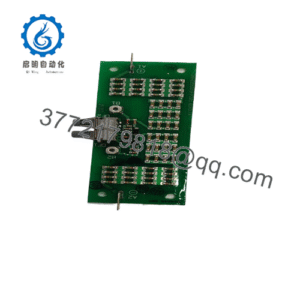
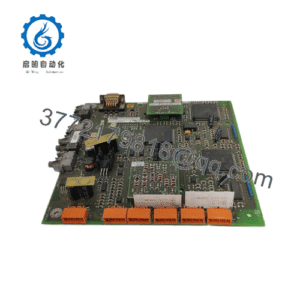
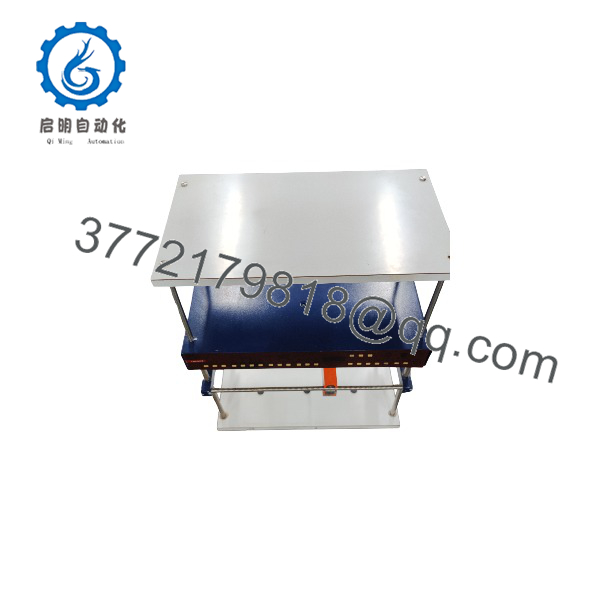
The LKB / Pharmacia LKB2211 SuperRac mainboard is the central control hub for the classic SuperRac automated chromatography fraction collector. It processes signal inputs from optical drop sensors, timer circuits, and UV peak detectors, precisely energizing internal stepper motors and 3-way diverter valves to route purified chemical or biological fractions into designated collection tubes.
Because original LKB / Pharmacia LKB2211 inventory has been fully phased out by OEM channels, finding authentic New Surplus controller boards is vital for facilities maintaining established chromatography skids. Replacing an entire fraction collector setup requires costly validation re-runs, software driver updates, and system re-qualification. Sourcing factory-sealed New Surplus units preserves existing laboratory bench setups and automated routines while removing the severe risks of used or pulled boards—such as leaky electrolytic capacitors, burned stepper driver ICs, or degraded optical sensor inputs. Maintaining 1–2 New Surplus units as strategic buffer stock prevents unexpected research or production halts.
LKB2211 SUPERRAC
Installation & Configuration Guide
Electrical Shock & Mechanical Motion Hazard
Ensure main AC power cord is completely unplugged before opening the fraction collector housing. Stepper motor drives and solenoid valve lines operate with high current capabilities; static discharge or improper wiring can destroy microprocessors and optical sensor inputs.
1.Pre-Installation & Safety Controls:5 mins.
Disconnect main AC power from the LKB2211 unit. Attach a grounded ESD wrist strap connected to chassis ground. Take clear reference photos of all internal ribbon cables, transformer taps, and motor driver harness connections.
2.Demounting Failed Controller Board:10 mins.
Unscrew the main unit casing. Carefully disconnect the optical drop sensor cable, stepper motor wiring harnesses, rack microswitch lines, and transformer secondary power feeds. Remove mounting standoff screws and lift out the old mainboard.
3.Hardware Configuration & Board Seating:10 mins.
Verify that all voltage selection jumpers, DIP switches, and baud rate selectors on the new LKB2211 board match the outgoing PCB settings. Align the replacement board over chassis standoffs, secure with mounting screws, and reconnect internal wiring harnesses.
4.Power-On & Self-Diagnostic Verification:10 mins.
Reattach chassis cover and reconnect power. Turn on the main power switch and observe the front panel display: verify POST completion, execute a manual tube rack home alignment test, and test the drop counter input via manual sensor interruption.
Verification: The fraction collector head must home smoothly to position A1, respond to drop counter triggers without double-counting, and correctly actuate the diverter valve during simulated peak collection modes.
Firmware/Software Versions & Upgrade Notes
- Onboard EPROM System: System control algorithms reside in socketed onboard EPROM chips.
- Firmware Preservation: When replacing the LKB2211 board, retain the original socketed system EPROM if your host chromatography software requires a specific legacy firmware revision (e.g., v1.x vs. v2.x).
- Cold-Room Operation Note: If operating the unit in a cold room (+4 °C), ensure the mainboard has acclimated to operating ambient temperature before power-on to prevent moisture condensation from causing high-voltage trace shorts across transformer inputs.
Frequently Asked Questions (FAQ)
Is this LKB LKB2211 SuperRac mainboard brand new or refurbished?
This product is Brand New Surplus. It is not a pulled board, second-hand card, or refurbished assembly. It features pristine PCB traces, factory-original solder joints, and un-degraded capacitors.
What are the main failure risks associated with using second-hand fraction collector boards?
Used boards from active biochemistry labs often suffer from chemical corrosion on PCB traces caused by buffer spills, dried-out electrolytic power supply capacitors, and thermal degradation on stepper driver transistors. In automated purification runs, a driver board failure can cause misaligned tube indexing, misdirected fraction collection, and total loss of valuable sample material.
Can this board be used in cold room environments for protein purification?
Yes. The LKB2211 mainboard is designed to operate reliably within cold room temperatures (+4 °C to +40 °C). Ensure the unit is operated in a non-condensing environment.
Do I need to reprogram the system after installing this mainboard?
No reprogramming is necessary. Operating parameters (drop count, time interval, rack format) are configured directly via the front panel membrane keypad or transmitted via standard serial commands from your host chromatography control system.
What warranty is provided with this New Surplus mainboard?
Every New Surplus LKB LKB2211 SuperRac mainboard comes with a standard 12-Month Replacement Warranty. Prior to shipment, each board undergoes strict visual inspection, power-on logic testing, and signal input verification.