WhatsApp: +86 16626708626
 Email:
  Phone: +86 16626708626
Description
3. Key Technical Specifications
| Parameter | Specification Value |
| Manufacturer | Metso Automation (Valmet / Max Controls) |
| Part Number | D201376 |
| Module Type | Discrete / Digital Output Processing Card |
| Output Channels | High-Density Multi-Channel Solid-State Outputs |
| Field Load Voltage | 24 V DC (Nominal Operating Range: 18–30 V DC) |
| Current Rating | 0.5 A per channel (Max aggregate load limits apply) |
| Backplane Power | 24 V DC ± 10%, 250 mA Nominal |
| Isolation Rating | 1500 V AC Channel-to-Backplane |
| Off-State Leakage | < 1 mA at 24 V DC |
| Operating Temperature | 0 to +60 °C (32 to 140 °F) |
| Storage Temperature | −40 to +85 °C (−40 to 185 °F) |
| Enclosure Format | Subrack / Card Cage Slot Insertion |
4. Product Introduction & Supply Chain Strategy
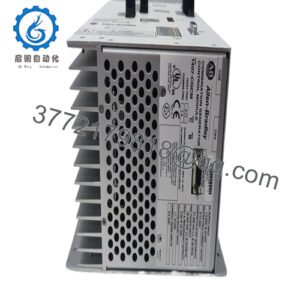
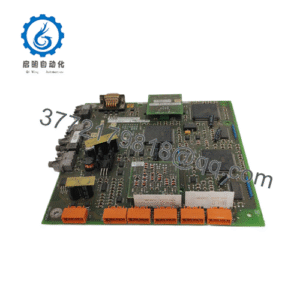
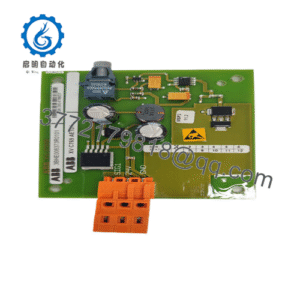
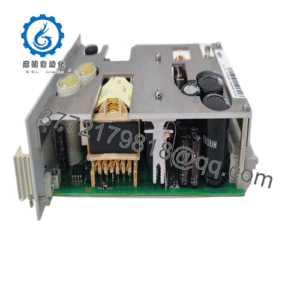
The Metso D201376 is a robust discrete output driver board designed for the MAX 1000 and MAX DNA control architectures. It acts as the primary executive interface between process control software and physical field hardware, energizing solenoid valves, interlock relays, motor starters, and alarm annunciators across continuous manufacturing environments.
Stocking the D201376 as New Surplus shields your plant from sudden OEM obsolescence and component lead-time spikes. Unissued, factory-sealed surplus inventory guarantees pristine solid-state switching elements and unblemished backplane contacts—eliminating the risk of thermal stress, contact degradation, and intermittent gate failures native to used equipment. Maintaining 1–2 backup units on-site safeguards critical interlocking loops against trip events that cost tens of thousands of dollars per hour.
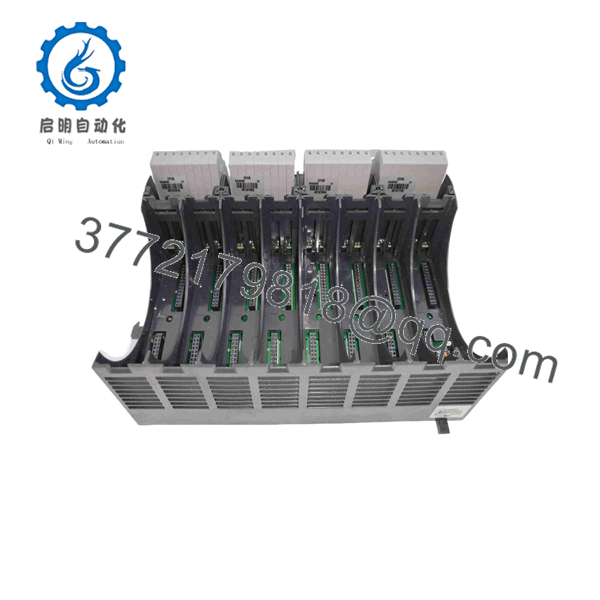
D201376
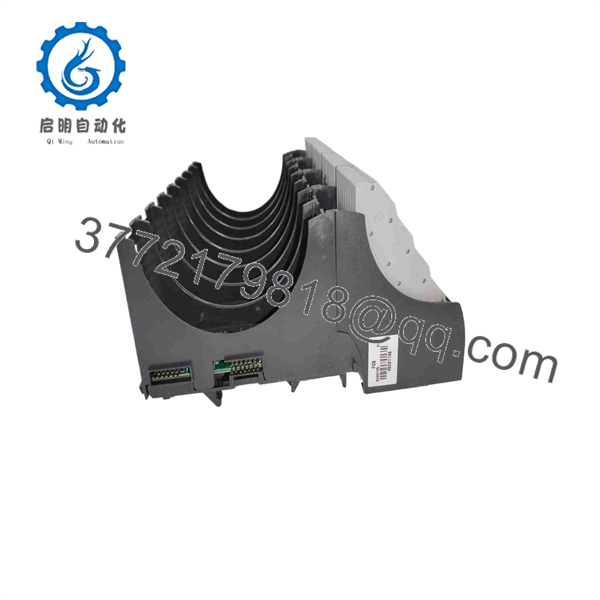
D201376
5. Installation & Configuration Guide
Stage 1: Pre-Installation (Prep & Safety)
- Apply Lock-Out/Tag-Out (LOTO) procedures to the target rack enclosure and associated field relay power supplies.
- Put on an ESD wrist strap connected to a verified chassis ground point.
- Label all field wiring harness connectors and photograph the existing module’s DIP switch node configuration.
Stage 2: Removal
- Unfasten the retaining screws on the front terminal connector and swing the field wiring harness clear of the card.
- Disengage the top and bottom ejector levers simultaneously.
- Slide the D201376 straight out along the chassis guide rails to protect the rear backplane pins from bending.
Stage 3: Installation (Clone & Seat)
- Align the DIP switch address blocks on the new D201376 to match the settings of the removed board exactly.
- Insert the card edges into the subrack card guides and slide the module inward until backplane contacts align.
- Press the ejector levers firmly to seat the card flush into the rack frame, then tighten all retention screws.
Stage 4: Power-On & Testing
- Reinstall the terminal wiring harness and tighten all securing hardware.
- Restore power to the rack chassis; monitor the front-panel status LEDs.
- Verify that the power LED glows steady green and that active output channels toggle correctly under system test mode before placing the loop into automatic execution.
6. Firmware/Software Versions & Upgrade Notes
- Software Compatibility: Fully supported under MAX DNA / MAX 1000 System Software Revision 4.0 and higher.
- Redundant Racks: When installing the card into dual-redundant processing racks, verify that both active and backup subracks utilize matching module hardware revision levels.
- Handling Hardware Swaps: Do not flash or alter module firmware during a live hardware replacement. Firmware mismatches between the primary rack controller and the D201376 can cause communication timeouts, resulting in an immediate fail-safe shutdown of associated field outputs.
7. Frequently Asked Questions (FAQ)
Is this Metso module guaranteed to be original new?
Yes. Every unit supplied is guaranteed New Surplus / Original New stock. These boards originate from unissued corporate spares, remain stored in anti-static protective packaging, and exhibit zero operational wear or solder degradation.
Why choose New Surplus over a refurbished ?
Refurbished digital output modules often hide fatigued solid-state switches, thermal stress, and micro-cracks under cleaned faceplates. A single shorted output channel on a bargain refurbished board can false-trigger a safety valve or trip a pump motor, resulting in downtime costs that far exceed the price difference of a original new module.
What is the current lifecycle status for the ?
The is a legacy, mature-lifecycle assembly no longer produced in routine OEM manufacturing runs. Strategic holding of New Surplus inventory on-site is essential to maintaining system reliability and extending the operating lifespan of your MAX DNA installation without committing to a full DCS overhaul.
Can I hot-swap the while the rack is powered up?
Hot-swapping is not recommended for this card series. Removing or inserting the board under live load can cause arc transients across backplane contacts and induce voltage spikes that may disrupt adjacent I/O modules on the shared bus.
What warranty is provided with this module?
This New Surplus Metso includes a full 1-year replacement warranty. Each board undergoes comprehensive electrical continuity and static logic testing prior to dispatch to ensure complete Total Cost of Ownership (TCO) efficiency and long-term peace of mind.