WhatsApp: +86 16626708626
 Email:
  Phone: +86 16626708626
Description
Key Technical Specifications
| Parameter | Value |
|---|---|
| Manufacturer | Valmet / Metso Automation |
| Full Model | D202593 |
| Known Product Identification | ACN CS G2 PCIe Controller Module |
| Known Identifier | CEF2102128 |
| Product Type | Distributed-control controller module |
| System Family | Metso ACN CS G2 / Valmet DNA-related legacy control architecture |
| Primary Role | Real-time control-node and system communication processing |
| Installation Format | PCIe-based controller module; verify host node and backplane assembly |
| Application Area | Process control, pulp and paper, energy, mining, and related industrial automation |
| Firmware Dependency | Verify installed controller and node firmware before replacement |
| Configuration Dependency | Verify personality module, node configuration, IP/network parameters, and application database |
| Procurement Requirement | Match D202593 label, CEF2102128 identifier, revision, and physical interface before purchase |
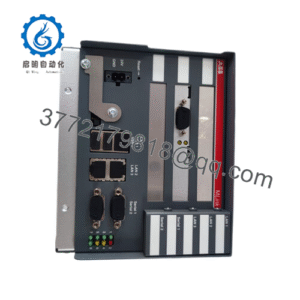
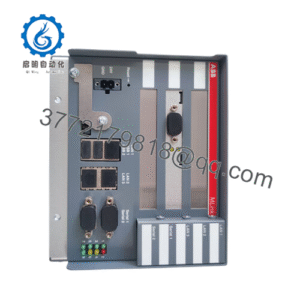
A verified secondary-market listing identifies D202593 as a Valmet ACN CS G2 PCIe Controller Module, with identifier CEF2102128 and a stated version string of 22.23.27.17. Other reseller pages describe D202593 inconsistently—as a Profibus interface, digital-input module, controller, or generic process interface—so those claims should not be used for field replacement decisions without label photos and OEM documentation.
Product Introduction
Valmet D202593 is an ACN CS G2 PCIe controller module used in legacy Metso Automation and Valmet distributed-control installations. It performs control-node processing and interfaces with the host hardware, system configuration, and application environment used by the installed ACN architecture. A known listing identifies the unit as CEF2102128.
This is not a generic PLC CPU or universal communication module. Replacement success depends on the exact hardware revision, firmware, host-node arrangement, installed personality hardware, and retained system configuration. Confirm the actual label and version before releasing a purchase order.
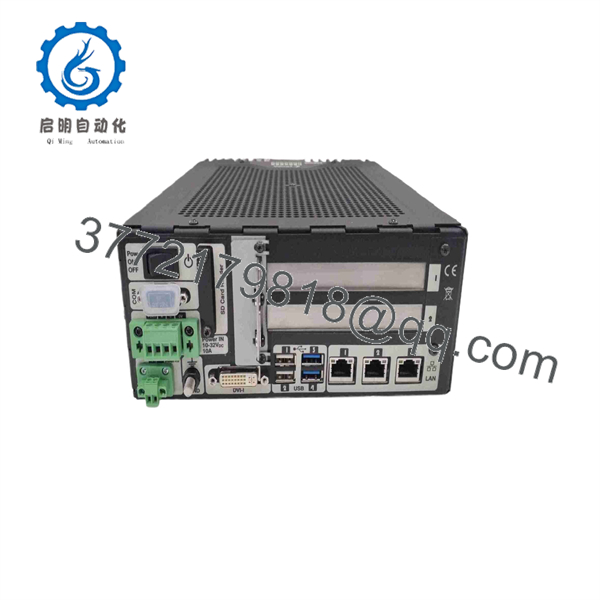
D202593
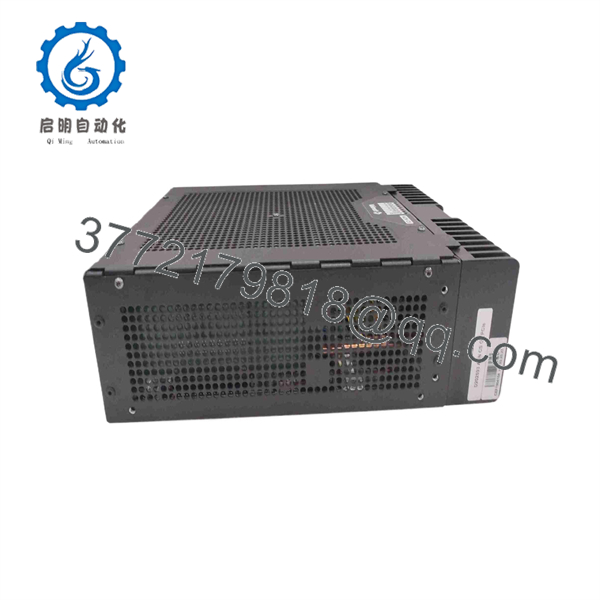
D202593
Troubleshooting Quick Reference
| Symptom | Possible Cause | Relevance to This Part | Quick Check Method | Recommendation |
|---|---|---|---|---|
| Controller node does not start after power-up | Missing DC power, failed host computer, BIOS or boot issue, loose PCIe connection, failed D202593, or corrupted system media | ✅ Medium | Verify the host node’s approved supply voltages at the power-distribution point. Inspect seating, retention hardware, connector condition, and system boot indicators. | Check power and host hardware first. Replace only if the fault follows the card into a known-good compatible node. |
| Node starts but control application remains offline | Incorrect application configuration, missing license, network issue, database mismatch, firmware mismatch, or controller fault | ✅ Medium | Review node startup logs, engineering-station diagnostics, network status, and controller communications. Compare the active software version with the replacement card’s required revision. | Restore or validate the approved project image before condemning the controller module. |
| Communication timeout appears after replacement | Firmware revision mismatch, incompatible system image, wrong network address, incorrect node parameters, or unsupported replacement revision | ✅ High | Record the existing controller version before removal. Compare firmware, CEF number, host-node hardware, and configuration settings against the replacement module. | Do not force the replacement into service until the compatibility matrix is confirmed. Request the required revision when ordering. |
| Intermittent control-node communication | Loose PCIe seating, contaminated connector, grounding issue, host overheating, failing network hardware, or controller degradation | ✅ Medium | With power isolated, inspect PCIe edge contacts and slot condition. Review host temperature, event logs, network switch counters, and error timestamps. | Reseat the card and correct host or network faults. If errors follow the card to another compatible chassis, replace it. |
| Controller LEDs show fault condition | Hardware fault, boot failure, communication issue, power sequence error, or configuration mismatch | ✅ Medium | Photograph all LED states and record the startup sequence. Cross-check against the system manual and controller diagnostic log. | Send the LED photos and log export to technical support before ordering if the fault code is not documented. |
| Process values freeze while field I/O remains healthy | Controller-task failure, application runtime issue, host operating-system problem, network interruption, or fault | ✅ Medium | Compare I/O-node health with controller-node task status. Check whether adjacent nodes continue updating and review the controller watchdog or event log. | Restart only under an approved operating procedure. If the failure repeats and follows the module, replacement is justified. |
| System fails after a “like-for-like” spare is fitted | Wrong CEF identifier, revision conflict, firmware mismatch, missing configuration, different personality module, or incorrect PCIe host | ✅ High | Compare all visible labels, including , CEF number, revision, and serial number. Photograph the removed module before installing the spare. | Stop and verify compatibility. Similar model numbers do not guarantee drop-in operation on legacy control nodes. |
| Multiple nodes report faults at once | Common power problem, network switch failure, time synchronization loss, host-server issue, or engineering network fault | ❌ Low | Check node supply rails, switch power, uplink status, and system-wide diagnostic timestamps. Determine whether faults occurred simultaneously. | Do not replace first. A multi-node event usually points to a shared infrastructure problem. |
❗ Firmware revision mismatch is the trap that causes the longest outages. I have seen a technician replace a controller card that looked identical, only to spend two days chasing “Communication Timeout” messages because the replacement revision did not match the existing node environment. Record every visible version number before pulling the old card.
❗ Take photos before removal. Seriously. Photograph the label, CEF number, host node, PCIe slot, cable connections, DIP switches or jumpers if present, LED states, and diagnostic screen. A five-minute documentation step can save an entire maintenance window.
❗ Do not handle the card without ESD protection. Use a grounded wrist strap, an ESD-safe mat, and approved packaging. One uncontrolled static event can turn a difficult-to-source controller module into scrap before it reaches the rack.
If you are stuck, provide technical support with full photos of the old and replacement labels, boot and diagnostic logs, the installed software/firmware version, host-node details, and a description of what changed immediately before the failure.
Frequently Asked Questions (FAQ)
What is Valmet or Metso ?
is identified in a product listing as a Valmet ACN CS G2 PCIe Controller Module, with a known CEF identifier of CEF2102128. It belongs to a legacy distributed-control environment associated with Metso Automation and Valmet systems. Its job is controller-node processing within its intended host architecture, not generic field I/O.
Is a Profibus DP module?
Do not order it as a Profibus DP module based solely on generic online descriptions. Some reseller content claims Profibus DP capability, 12 Mbaud operation, and support for 24 I/O modules. However, another listing specifically identifies as an ACN CS G2 PCIe controller module. That conflict is exactly why the actual part label, CEF identifier, revision, host hardware, and OEM system documents must control the procurement decision.
Can I use any as a direct replacement?
No. A “” marking alone is not enough for a safe purchase. Match:
- The complete label and any suffixes
- The CEF2102128 or other installed identifier
- Hardware revision and manufacturing revision
- Firmware or software release compatibility
- PCIe host-node type and slot arrangement
- Installed personality hardware, if applicable
- System database, node address, and communication parameters
If the supplier cannot provide clear photos of the actual item, including every label, do not assume it will plug in and start.
Will the application program remain after I replace the controller module?
It depends on where the project image, runtime configuration, and system data are stored in your specific ACN CS G2 installation. The application may reside on host storage, a system image, a removable medium, a network server, or a combination of these. Do not remove the old module until you have backed up the approved configuration and documented the existing controller version.
Before the change, collect the project archive, node parameters, network settings, controller logs, active version information, and any removable storage media. After installation, verify communication and outputs in a controlled sequence.
Can I hot-swap the controller module?
Assume no unless the exact ACN CS G2 hardware manual and site procedure explicitly permit it. A controller module may affect active control logic, communications, interlocks, sequencing, and operator visibility. Pulling it live can cause process interruption, uncontrolled transitions, database corruption, or hardware damage.
Place the process in a safe state, follow the approved shutdown plan, isolate power as required, use ESD controls, and coordinate with operations before removing the module.
Why is a New Surplus cheaper than factory pricing?
New Surplus means unused inventory from project overstock, distributor inventory, warehouse liquidation, or a stored spare. It may cost less because it is not current production or does not include the original OEM support channel. It may cost more when the part is obsolete and outage demand is high.
Ask the seller to state the condition precisely:
- New Original / New Surplus: Unused inventory; request photos of labels, seals, packaging, and accessories
- Factory Sealed: Original unopened manufacturer packaging; verify seal condition and traceability
- Refurbished (tested): Previously used equipment that has been inspected and functionally tested
Do not accept “used, good condition” as equivalent to tested or new surplus.
What testing should a supplier perform before shipping ?
A credible supplier should test the specific physical unit, not merely state that the part number is testable. Ask for:
- Label and identifier photos showing , CEF number, revision, and serial number where present
- Visual inspection for corrosion, cracked connectors, rework evidence, heat marks, or damaged PCIe contacts
- ESD-safe handling and anti-counterfeit/traceability checks where serial information is available
- Power-on and boot verification in a known-compatible ACN CS G2 host fixture
- LED-status and communication-handshake verification
- Firmware/version readout where the test environment permits
- Sustained functional operation with thermal observation
- A dated test report, QC sign-off, and ESD-safe packaging photos
Test photos and videos should be available on request. For an outage spare, that evidence is worth more than an unverified low-price listing.
Is obsolete?
Treat as a legacy and potentially obsolete control-system spare. Current availability depends on secondary-market inventory, revision requirements, and supplier test capability. The fact that it is listed as new stock by specialized automation resellers indicates it remains available through aftermarket channels, but that does not mean every listed unit is compatible with your installed revision.
Keep these checks in mind and you will save yourself most of the rework that turns a planned card swap into a multi-day controls problem.