WhatsApp: +86 16626708626
 Email:
  Phone: +86 16626708626
Description
Key Technical Specifications
- Part Number: FGV2001
- Manufacturer: Metso Automation
- Product Category: Fabric guide valve / guide valve
- Application: Paper-machine wire and felt guiding
- Construction: Stainless steel
- Bore Size: 1/2 inch
- Operating Principle: Pneumatic fabric-position control
- Primary Application: Wet-end and dry-end paper-machine fabric guiding
- Product Weight: Approximately 5.70 lb (2.59 kg), based on a distributor specification.
- Manufacturer Status: Discontinued
- Related Metso Documentation: Metso tissue equipment documentation identifies FGV2001 as a fabric guide valve, catalog reference KAR 2031906-9.
- Configuration Note: Exact connection, mounting, and pneumatic configuration should be verified against the existing valve and OEM documentation before ordering.
Product Introduction
The Metso FGV2001 is a pneumatic fabric guide valve used on paper machines to control the air pressure associated with wire and felt guiding systems. Metso documentation identifies the FGV2001 as a fabric guide valve for paper-production equipment, while distributor records identify stainless-steel construction and a 1/2-inch bore.
The compact valve design is intended for installation where space around the fabric guide assembly is limited. Because FGV2001 is discontinued, replacement work should verify the complete part number, pneumatic connections, mechanical mounting, and existing guide-system configuration rather than relying on the model number alone.
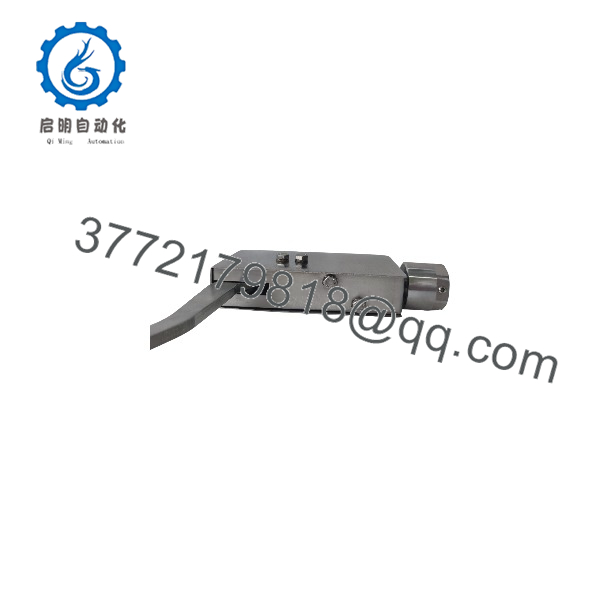
FGV2001
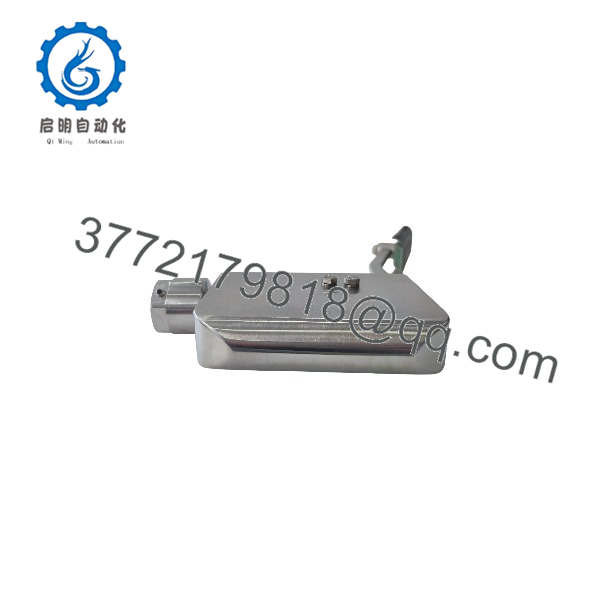
FGV2001
Installation & Configuration Guide
Stage 1: Pre-Installation Preparation — Approximately 10 Minutes
⚠️ Safety First: Notify operations and confirm the paper machine is in a safe maintenance state. Isolate pneumatic and electrical energy associated with the fabric guide system according to the site’s LOTO procedure. Do not work on a pressurized pneumatic circuit.
Tools Required:
- ESD wrist strap where electronic equipment is nearby
- PH1 screwdriver where applicable
- Calibrated multimeter
- Wire and pneumatic-line labels
- Smartphone or camera for configuration photographs
- Appropriate wrench set for pneumatic fittings
- Leak-detection solution
Before removing the existing FGV2001:
- Record the complete part number and any suffix or configuration marking.
- Photograph the valve, mounting arrangement, pneumatic tubing, and adjacent guide components.
- Mark each pneumatic line before disconnecting it.
- Record the existing air-supply and control-line routing.
- Check the OEM machine documentation for the specific fabric-guide assembly.
- Confirm that the replacement matches the existing mechanical and pneumatic configuration.
Important: is documented as a discontinued Metso Automation product. Do not assume that a visually similar fabric-guide valve is a direct replacement.
Stage 2: Removing the Old Valve — Approximately 5 Minutes
- Isolate and vent the pneumatic circuit completely.
- Remove protective covers required to access the guide valve.
- Label every pneumatic connection before removal.
- Disconnect the tubing without bending or damaging the fittings.
- Remove the valve mounting hardware.
- Pull the valve straight away from the mounting surface.
- Inspect the fittings, tubing, mounting surface, and nearby guide mechanism for contamination or mechanical damage.
⚠️ Keep the original valve until commissioning is complete. Its port arrangement and physical configuration provide an important reference if the replacement requires configuration adjustment.
Stage 3: Installing the New — Approximately 5 Minutes
- Verify the exact part number before installation.
- Compare the replacement against the original valve side-by-side.
- Confirm the bore and pneumatic connection arrangement.
- Install the valve using the original mounting orientation where applicable.
- Reconnect each pneumatic line according to the photographs and labels.
- Tighten fittings using the fitting manufacturer’s recommended torque.
- Confirm that tubing is not kinked, twisted, or under mechanical tension.
Self-Checklist:
- Exact model and configuration verified
- Pneumatic ports match
- Mounting orientation matches
- Tubing correctly labeled and connected
- Fittings tightened
- No tubing damage
- Valve mechanically secure
Stage 4: Power-On & Functional Testing — Approximately 10 Minutes
The is a pneumatic valve rather than a PLC CPU or conventional electronic I/O module, so the commissioning procedure focuses on pneumatic response and fabric-guide movement.
- Restore pneumatic supply gradually.
- Check every connection for leakage.
- Verify that the control system can command the fabric-guide function.
- Observe the guide response at low operating conditions.
- Confirm that the guide responds in the correct direction.
- Check that the fabric-guide mechanism returns correctly when the command changes.
- Run the machine through the applicable commissioning sequence.
- Monitor the guide for abnormal oscillation, slow response, or leakage.
- Record the final operating condition.
⚠️ If the guide moves in the wrong direction, stop the test. Do not compensate by randomly swapping pneumatic lines. Confirm the OEM pneumatic schematic and the original valve configuration first.
Field note: The operating principle uses pneumatic pressure to influence the guide mechanism. Metso’s documentation describes a wire/felt guide arrangement involving bellows with constant and varying air pressure.
Frequently Asked Questions (FAQ)
Can the Metso be hot-swapped?
No. Treat the as a pneumatic component requiring isolation and depressurization before removal. Hot removal can expose personnel to stored pneumatic energy and can introduce contamination into the guide circuit. Follow the paper-machine manufacturer’s maintenance procedure and site LOTO requirements.
Is the Metso obsolete?
Yes. Current distributor records identify as discontinued by the manufacturer. That means buyers should expect replacement sourcing to rely on remaining original inventory, surplus stock, or refurbished units rather than normal current-production OEM supply.
Is a New Original actually new?
The condition needs to be verified from the specific unit being supplied. A New Original / New Surplus unit should be unused and traceable to its original manufacturer or surplus supply chain. Do not treat a refurbished valve as equivalent to factory-new stock. Request photographs of the actual item, nameplate, packaging, and condition before purchase.
Is /150 the same as ?
Not necessarily. A supplier currently lists /150 KAR2031906-1 as a specific felt-guide configuration. The suffix can identify a particular mechanical configuration, so do not substitute it solely because the base designation contains . Verify the complete part number against the machine documentation.
What should I check before ordering a replacement?
Check the complete part number, pneumatic port arrangement, bore size, mounting dimensions, machine-side connection, and the configuration of the existing fabric-guide assembly. The available distributor data identifies a 1/2-inch bore and stainless-steel construction, but those details alone are not enough to establish interchangeability.
Why is a surplus available when the manufacturer has discontinued it?
Discontinued industrial components can remain in distributor and surplus inventories long after OEM production ends. Current market listings show units described as unused original packaging, unused alternate packaging, and refurbished, so condition must be confirmed for each individual unit.
What warranty should I expect?
Do not assume the original Metso factory warranty still applies to discontinued surplus stock. Warranty coverage depends on the seller and the actual condition of the unit. For example, one current distributor listing explicitly states that the manufacturer’s warranty may not apply and provides its own warranty instead. Confirm the warranty period and whether it covers replacement or repair before issuing the purchase order.