WhatsApp: +86 16626708626
 Email:
  Phone: +86 16626708626
Description
Key Technical Specifications
- Type Number: 223B (Baratron capacitance manometer platform)
- Sensor Code: D
- Full Scale Range: 2 inH2O differential per this part’s ordering code — cross-check against the nameplate before purchase, since adjacent range codes on the 223B line (e.g., 10 Torr) are easy to confuse with this one
- Process Connection: 3/16 in O.D. (4.6 mm) tube fitting
- Output Signal: 0 to ±1 VDC, linear with applied pressure
- Excitation: ±12 VDC or ±15 VDC supply, draw under 25 mA per rail
- Accuracy: ±0.5% of Full Scale (standard grade — some ordering suffixes specify tighter accuracy; verify against your unit’s suffix)
- Calibration: Bidirectional or unidirectional, set by ordering suffix
- Mounting: Any orientation accepted; horizontal tube axis recommended, diaphragm face oriented parallel to the dominant vibration axis if the install site has mechanical vibration
- Compliance: CE marking present on later production runs
- Origin: Manufactured in Andover, MA, USA
Product Introduction
The MKS 223BD-00001AAB is a Baratron Type 223B differential pressure transducer, a capacitance manometer used to convert low-range gas pressure into a 0 to ±1 VDC analog signal for process control and vacuum systems. It’s common on semiconductor process tools, analytical instruments, and vacuum chambers where accurate differential readings matter.
Buyers pick the 223B platform because the sensing element resists drift better than strain-gauge alternatives at this pressure range, and MKS’s model-code system lets techs cross-reference range, accuracy, and fitting against the original ordering spec before installing a used or surplus unit.
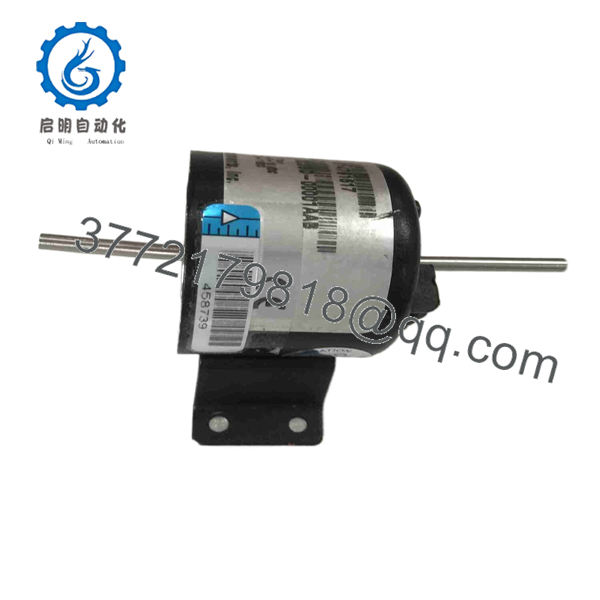
223BD-00001AAB
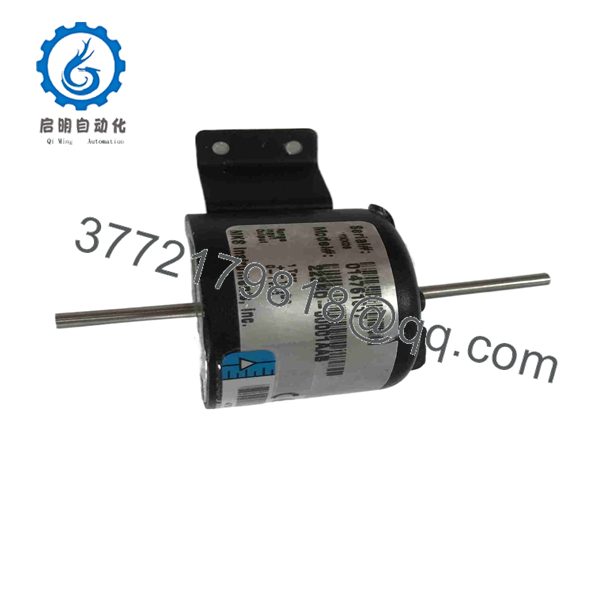
223BD-00001AAB
Troubleshooting Quick Reference
| Symptom | Possible Cause | Relevance to this Part | Quick Check Method | Recommendation |
|---|---|---|---|---|
| No output signal at all | Loss of excitation power | ✅ High | Measure ±12/±15 VDC at the supply pins with a multimeter | Verify supply rails before assuming sensor failure |
| Output signal pegged at full scale or zero, no movement | Sensor diaphragm damage or overpressure event | ✅ High | Compare reading against a known reference gauge on the same line | Likely requires sensor replacement; check burst disc if fitted |
| Output drifts slowly over hours | Thermal instability or aging capacitance cell | ✅ Moderate | Log output over a full thermal cycle, note ambient temp swings | If drift tracks room temperature, isolate from HVAC drafts first |
| Reading offset but stable | Zero calibration drift | ❌ Low — often a setup issue, not a hardware fault | Perform a zero adjustment per the 223B manual procedure | Re-zero before replacing the unit |
| Erratic, noisy signal | Wiring, shielding, or ground loop issue | ❌ Low | Check cable shield termination and inspect for chafed insulation | Rule out wiring before condemning the transducer |
| Slow response to pressure changes | Tubing blockage or particulate contamination in the sensing port | ❌ Low | Inspect the 3/16 in fitting and tubing for debris or moisture | Clean or replace tubing before replacing the sensor |
If none of these checks resolve the issue, contact technical support with a photo of the nameplate, the output waveform or reading log, and the exact wiring configuration in use.
Frequently Asked Questions (FAQ)
Is this the same as a factory-new 223B, or is it surplus?
This unit is sold as New Surplus or Refurbished depending on the batch — check the listing’s condition tag at time of quote. Either way it should carry function-test results before it ships; ask for the test report if it’s not already attached.
Can I confirm the exact full-scale range before I order?
Do this. The 223B model code uses a five-digit range field, and codes near “00001” can map to different full-scale values depending on the exact digit sequence and engineering unit specified at original order. Pull the nameplate off your existing unit (or ask the seller for a nameplate photo) and match it against the MKS Type 223 model code chart rather than assuming from the part number alone.
Will this drop in as a direct replacement for my existing 223B?
Physically, yes, if the fitting size and range code match. Electrically, confirm your system expects a 0 to ±1 VDC signal and can supply ±12 or ±15 VDC excitation — older racks sometimes used a different signal convention on adjacent Baratron models, so don’t assume compatibility across the whole product family.
Does the output signal retain calibration after a swap, or do I need to recalibrate?
Recalibrate. A swapped sensor has its own zero and span characteristics even within the same model code. Run the zero adjustment procedure after installation before trusting readings for process control.
Why is this cheaper than buying new from MKS?
This model is discontinued from current MKS production, so pricing reflects surplus/refurbished market value rather than a factory list price. Functionally it should perform the same as a new unit if it passed function and accuracy testing — ask for that documentation if you need it for your own QA records.
Is there a warranty on a surplus unit like this?
Terms vary by seller — confirm the warranty period in writing before purchase, since “tested” and “warrantied” aren’t the same claim. A tested-and-passed unit with no warranty is a different risk profile than one backed by a return window.
What’s the biggest mistake people make replacing one of these?
Assuming the range code on the sticker matches what they need without checking the actual engineering units and full-scale value against the original system documentation. A mismatched range transducer will read technically valid voltages that are completely wrong for your process — worth the five extra minutes to verify before powering it up.