WhatsApp: +86 16626708626
 Email:
  Phone: +86 16626708626
Description
Key Technical Specifications
- Manufacturer: MKS Instruments, HPS Division
- Manufacturer Part Number: 839-13521-1
- Known Revision Example: Revision C; verify the actual revision on the offered valve
- Product Identification: Vacuum Angle Isolation Valve
- Product Category: Semiconductor-process vacuum isolation hardware
- Primary Function: Isolates a chamber, pump line, or vacuum process branch during processing, maintenance, pumpdown, venting, or fault recovery
- Typical Application: LAM Research semiconductor processing equipment and related vacuum-tool assemblies
- Associated LAM Material Number: 839-013521-001; verify against the installed assembly and tool bill of materials
- Associated Reference Number: 100997144; shown in market listings and must be verified against the physical tag
- Valve Configuration: Angle isolation valve; confirm port orientation, actuator arrangement, flange interfaces, and flow direction from the installed valve
- Actuation Method: Not publicly verified; do not assume pneumatic, solenoid, manual, or motorized actuation without checking the valve label and installed tubing/wiring
- Seal and Vacuum Rating: Not publicly verified from an OEM datasheet; confirm seal material, leak-rate specification, temperature range, and process-gas compatibility before installation
- Installation Requirement: Clean-vacuum handling, correct gasket or O-ring selection, torque-controlled flange assembly, and post-install helium leak verification
- Lifecycle Status: Legacy semiconductor-tool spare; current availability depends on surplus, used, and refurbished inventory
Available market records identify 839-13521-1 as an MKS/HPS isolation or angle isolation valve. Listings link it with LAM Research material number 839-013521-001 and reference number 100997144, but those cross-references must be matched to the installed valve tag and tool documentation before purchase.
Product Introduction
The MKS HPS 839-13521-1 is a vacuum angle isolation valve used in compatible semiconductor processing equipment, including LAM Research tool assemblies. It isolates a vacuum chamber or process line from connected pumps, gas paths, or downstream hardware during process sequencing, maintenance, chamber venting, and fault isolation.
This valve is purchased as an exact physical replacement, not as a generic vacuum valve. Match 839-13521-1, revision, flange geometry, port orientation, actuator type, seal material, tubing connections, and associated LAM material number before ordering. A mechanically similar valve can still create a leak, incorrect stroke timing, or tool interlock fault.
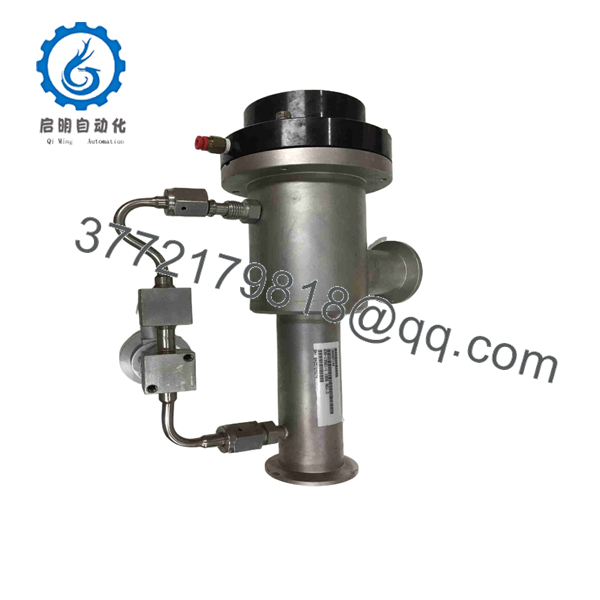
839-13521-1
Troubleshooting Quick Reference
| Symptom | Possible Cause | Relevance to this Part | Quick Check Method | Recommendation |
|---|---|---|---|---|
| Chamber will not pump down to base pressure | Valve leaking, valve not fully opening, failed actuator, damaged seal, vacuum pump issue, chamber leak | ✅ High | Review pumpdown trend and valve-state diagnostics. Verify the command signal or pneumatic pilot at the valve. Perform a helium leak check around flanges, actuator joints, and seal areas using the approved leak detector. | Confirm pump performance and external chamber leaks first. Replace the valve if it leaks internally or fails to reach full open position with correct command and actuation supply. |
| Chamber vents slowly or cannot hold vacuum | Worn seal, contaminated valve seat, damaged O-ring, valve partially open, leaking vent circuit | ✅ High | Isolate the chamber according to the tool procedure. Compare pressure-rise behavior with the valve closed, then perform a helium leak test at the valve body and mating flanges. | Inspect seals and seat surfaces. Replace or rebuild the valve if internal leakage is confirmed. |
| Valve does not open when commanded | Missing pneumatic supply, failed solenoid, blocked pilot line, seized actuator, damaged position switch, failed valve | ✅ Medium to high | Verify the command output at the solenoid or actuator terminals. For pneumatic versions, check regulated air pressure at the pilot inlet and inspect tubing for kinks or leaks. | Repair control power, pilot air, solenoid, or tubing before replacing the valve body. |
| Valve does not close when commanded | Stuck mechanism, contamination, failed return spring, low pilot pressure, solenoid fault, mechanical obstruction | ✅ High | Command the valve closed using the approved maintenance mode. Observe position feedback and check the actuator’s available supply pressure or electrical command. | Do not force the mechanism. Remove from service and inspect or replace if it remains mechanically stuck. |
| Tool shows valve-position mismatch alarm | Faulty limit switch, disconnected feedback cable, actuator stroke issue, valve not reaching end position | ✅ Medium | Compare valve-command status with physical position indication. Check limit-switch wiring, connector pins, and actuator travel under approved maintenance conditions. | Correct feedback wiring or actuator issues first. Replace the valve if the stroke cannot reach the required end position. |
| Vacuum fault occurs only after maintenance | Wrong gasket, damaged O-ring, contaminated flange, incorrect bolt torque, misaligned valve | ✅ High | Inspect flange faces and sealing surfaces. Confirm the correct clean-compatible gasket or O-ring. Tighten hardware to the tool-specified sequence and torque. | Reassemble with approved clean-vacuum procedures, then helium leak-test before returning the chamber to production. |
| Valve cycles slowly or inconsistently | Low pneumatic pressure, contaminated pilot air, sticky actuator, worn seals, restricted tubing | ✅ Medium | Measure pilot pressure while the valve cycles. Inspect filter/regulator condition, pneumatic tubing, and actuator motion. | Service the air supply and tubing first. Replace or rebuild the valve if cycle response remains inconsistent. |
| Visible corrosion, particle buildup, damaged flange, or actuator damage | Process contamination, improper cleaning, mechanical impact, incompatible chemicals, prolonged service life | ✅ High | Isolate and vent the system safely. Inspect the valve body, flange faces, bellows or actuator area, fittings, and seals under clean conditions. | Do not reinstall a visibly damaged vacuum valve. Replace it and investigate contamination or process-chemistry compatibility. |
❗ Seal compatibility is not optional: Do not assume every vacuum isolation valve uses the same O-ring or seat material. Process chemistry, temperature, plasma byproducts, and cleaning procedures can destroy the wrong elastomer quickly. Verify the original seal specification before ordering or rebuilding.
❗ Flange geometry can look right and still be wrong: Check port size, flange standard, face orientation, overall length, actuator clearance, and tubing/fitting locations. I have seen a replacement valve arrive with the correct base number but the wrong orientation, turning a short repair into a fabrication job.
❗ Do not blame the valve before checking pilot air: A low or contaminated pneumatic supply can cause a good valve to open slowly, fail to close, or report a position mismatch. Confirm regulated pressure at the actuator while it cycles.
❗ Vacuum leaks are often installation errors: A pinched O-ring, scratched flange, particle-contaminated sealing surface, or uneven bolt torque can produce a leak that looks like a failed valve. Use clean gloves, approved consumables, and the OEM torque sequence.
❗ Perform a leak test after replacement: Do not return the tool to production based on actuator movement alone. Run the approved helium leak check and verify normal pumpdown and pressure-rise behavior before processing wafers.
Keep these checks in mind and you will save yourself 90% of typical rework time. If you are still stuck, provide technical support with valve-tag photographs, chamber pressure trends, actuator supply readings, valve-state diagnostics, and helium leak-test results.
Frequently Asked Questions
What is the MKS HPS 839-13521-1?
The 839-13521-1 is identified in surplus and equipment-market listings as an MKS HPS isolation valve, including references describing it as an angle isolation valve. It is associated with vacuum line or chamber isolation in semiconductor equipment and is cross-referenced in some records to LAM Research material number 839-013521-001 and number 100997144.
Is 839-13521-1 a direct replacement for LAM 839-013521-001?
Market listings associate 839-13521-1 with LAM material number 839-013521-001, but you must verify the physical valve label and LAM tool bill of materials before treating it as a direct replacement. Confirm the valve revision, port orientation, flange standard, actuator type, seal material, fitting layout, and position-feedback hardware. A part-number cross-reference alone does not confirm mechanical fit or vacuum compatibility.
Is this a pneumatic valve?
It may be, but the public sources reviewed do not verify the actuation method for every 839-13521-1 configuration. Inspect the installed valve. Pneumatic versions will typically have pilot-air tubing and may include solenoid or position-feedback connections; electrically actuated versions will have different wiring and mechanical arrangements. Order only after confirming the actuator arrangement on your existing unit.
Can I replace the valve without a helium leak test?
You can physically install it, but you should not return a semiconductor vacuum system to production without the tool-required leak verification. A valve can cycle normally while leaking at a flange, seal, actuator interface, or internal seat. Perform the approved helium leak test, verify pumpdown time, and check chamber pressure-rise behavior before processing product wafers.
How do I know whether the valve is bad instead of the pump or vacuum line?
Start with system behavior. Check pump performance, isolation sequence, roughing and high-vacuum valve states, pilot-air supply, solenoid operation, pressure-gauge readings, and visible external leaks. Then isolate the valve and compare chamber pressure behavior with the valve commanded open and closed. If the valve receives the correct actuation signal and supply but does not reach full stroke, leaks internally, or fails a helium leak test, replacement is appropriate.
Is 839-13521-1 obsolete, and is stock limited?
Treat it as a legacy semiconductor-tool spare. Public listings show used, refurbished, parts-only, and limited-quantity inventory, so condition and availability vary by supplier. One listing shows a Revision C used-working unit with a 90-day warranty, while another showed only one used item in stock. Confirm actual stock, valve revision, condition, test results, lead time, and warranty before issuing a purchase order.
Why is a surplus or refurbished valve less expensive than a factory unit?
Surplus inventory may come from unused spares, tool decommissions, fab upgrades, project cancellations, or equipment liquidations. Refurbished inventory may cost less because it is a used valve that has been cleaned, inspected, rebuilt, and tested rather than newly manufactured. Ask directly whether the offered unit is New Original/New Surplus, used as removed, or refurbished. For a vacuum valve, request clear photos, seal information, actuator details, leak-test documentation, and warranty terms.
What testing should I request before buying?
Request photographs of the valve tag, revision marking, flange faces, actuator, fittings, and feedback connectors. Ask for visual inspection results covering corrosion, mechanical damage, particle contamination, and flange condition. For a tested or refurbished unit, request documented open/close cycling, actuator function verification, position-feedback check where equipped, and helium leak-test results with the stated test method and acceptance limit. If the supplier cannot perform a leak test, they should state that clearly.