 WhatsApp: +86 16626708626
 Email:
  Phone: +86 16626708626
Description
What This Product Solves
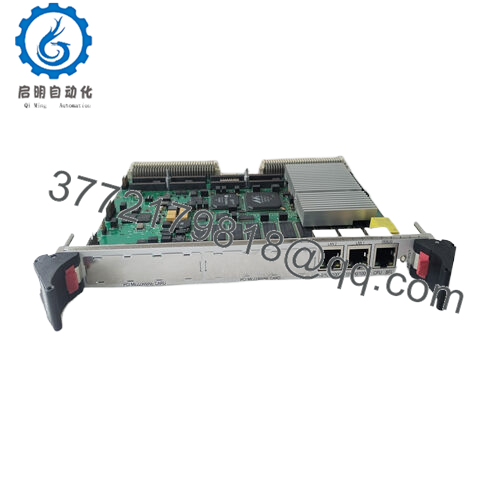
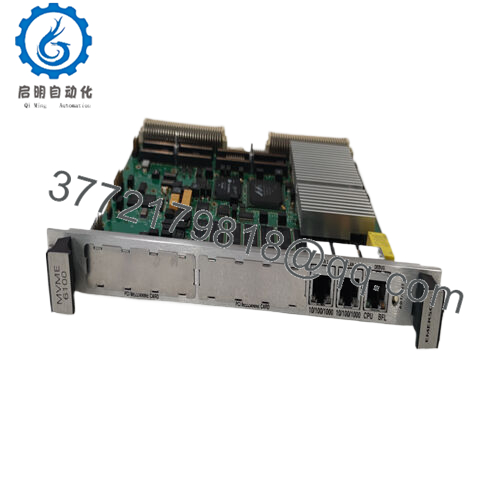
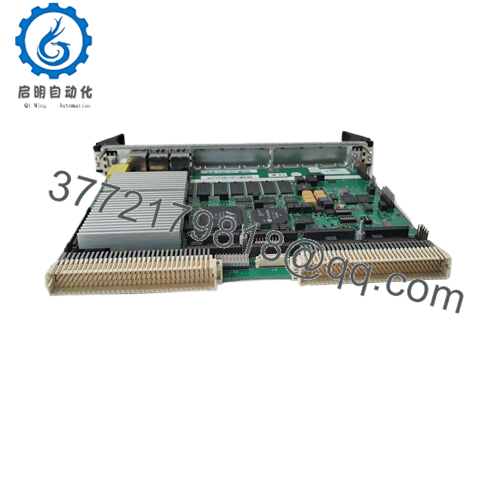
In the complex hierarchy of a VMEbus-based control system, the physical connection between the high-speed backplane and the external world is often the most vulnerable point. High-performance single-board computers, such as the Motorola MVME series, require a specialized interface to route delicate signals without introducing impedance mismatches or physical strain on the primary processor pins. The Motorola 01-W3507B is a transition module (also referred to as a rear-transition board) designed to solve the challenge of high-density I/O connectivity in industrial automation and defense computing environments.
The primary problem this product addresses is the “cable clutter” and signal integrity issues that arise when attempting to connect serial, parallel, or network cables directly to the front of a VME chassis. In many process control environments, front-panel cabling is a liability—it interferes with cooling airflow, makes module replacement difficult, and is prone to accidental disconnection. The Motorola 01-W3507B identifies and solves this by redirecting these essential signals to the rear of the rack. This ensures system stability by providing a fixed, ruggedized termination point for field wiring. It is essential in situations where high reliability and fast maintenance are required; by moving the wiring to the rear, a technician can swap the main CPU board from the front in seconds without ever touching the field cables. This architecture is a cornerstone of “zero-downtime” designs in power plants and automated manufacturing facilities.
How the Product Works & Fits into a System
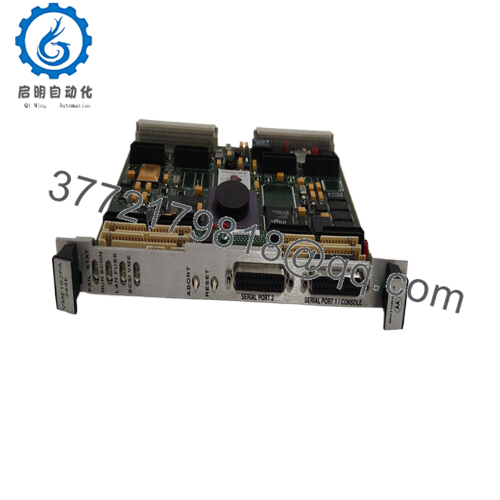
The Motorola 01-W3507B functions as a passive or semi-active bridge between the P2 distribution bus of a VME64/VME64x backplane and standard industry connectors. It is positioned at the rear of the VME chassis, directly opposite the main processor module. When the primary SBC is plugged into the front, its rear-facing pins mate with the backplane, which in turn passes the I/O signals through to the Motorola 01-W3507B. This module then breaks those signals out into recognizable formats, such as DB-9 for serial communications, SCSI for storage, or RJ-45 for Ethernet.
Within the automation stack, this module acts as the physical layer of the communication architecture. It interacts with the main controller by maintaining the electrical characteristics required for high-speed data transmission, ensuring that the I/O signal does not degrade as it passes through the transition. Because it is part of the Motorola/Artesyn ecosystem, it is specifically timed and mapped to support the pinouts of the MVME162, MVME167, or MVME172 families. The Motorola 01-W3507B includes built-in shielding and grounding paths to mitigate electromagnetic interference, which is a frequent challenge in process control environments located near high-voltage equipment. Its “plug-and-play” fit into the rear transition area of a standard 6U VME rack makes it a seamless addition to any high-reliability modular system.
Technical Highlights Summary (Table)
| Specification | Details |
| Model Number | Motorola 01-W3507B |
| Brand | Motorola / Artesyn |
| Type | Rear Transition Module (RTM) |
| Interface Ports | Serial (RS-232/422), Parallel, SCSI |
| Operating Temp Range | -40 to +85°C (Storage/Industrial) |
| Mounting Style | Rear VME Slot (6U) |
| Dimensions | Standard 6U Rear Transition Factor |
| Weight | 0.25 kg (approx.) |
| Interface/Bus | VME P2 Connector Path |
| Compliance | IEEE 1101.11, RoHS |
| Supported Protocols | Serial, SCSI-2, Centronics Parallel |
| Typical Power Draw | Negligible (Passive Pathing) |
Real-World Benefits
One of the most significant benefits of the Motorola 01-W3507B is the dramatic reduction in mean-time-to-repair (MTTR). In a traditional industrial automation setup, replacing a failed controller board might require labeling and disconnecting dozens of wires. With this transition module, the field wiring remains permanently attached to the rear of the rack. This ensures long-term performance and reduces the risk of human error during maintenance, as the “wiring identity” of the slot is preserved even if the hardware is upgraded or replaced.
Furthermore, the Motorola 01-W3507B is engineered for performance consistency in harsh environments. By utilizing high-quality, gold-plated connectors and a multi-layer PCB design, it prevents the signal “ghosting” or data corruption that can occur with cheap ribbon cables or poorly shielded adapters. For the engineer, this means a significant decrease in engineering overhead during the commissioning phase; there is no need to custom-solder cables or build proprietary breakout boxes. The module provides a standardized, professional interface that simplifies the entire documentation and installation process, ensuring that the control system meets modern industrial standards for neatness and safety.

- 01-W3507B
Typical Use Cases
The Motorola 01-W3507B is a staple in the telecommunications and data acquisition industries, where it is used to manage the serial console and diagnostic ports of large-scale switching equipment. In these high-uptime environments, the ability to access management ports from the rear of the rack while keeping the front face clear for cooling and status LEDs is a critical requirement. It is also frequently found in older GE Mark V or Mark VI turbine control cabinets, where it routes the SCSI signals for historical data logging and the serial signals for operator interface terminals.
In research and laboratory process control environments, the Motorola 01-W3507B is used to interface VME-based computers with legacy lab equipment that requires parallel or high-speed serial links. These facilities often require the critical system uptime provided by the VME architecture, and this transition module allows them to integrate modern processing power with specialized, older sensors. Whether it is managing the data flow in a particle accelerator or controlling a multi-axis CNC machine, the Motorola 01-W3507B provides the reliable, organized connectivity needed for professional-grade automation.
Compatible or Alternative Products
Motorola MVME162 – The primary SBC often paired with this transition module.
Motorola MVME167 – A high-performance 68040 processor that utilizes this board for I/O.
Motorola 01-W3507A – An earlier revision of the same transition module with slight layout differences.
Artesyn MVME712M – A complete transition kit that includes the 01-W3507B and external breakout cables.
Motorola 01-W3508B – A similar transition board with a different port configuration (e.g., Ethernet focus).
VITA 36 Connectors – Standardized high-density cables often used to link this module to external panels.
Setup Notes & Maintenance Insights
Before installing the Motorola 01-W3507B, it is vital to check the P2 pin alignment on the VME backplane. Since this module mounts on the “reverse” side of the rack, ensure that the pins are straight and clean before mating the module. You should also verify that the jumper settings on your front-side SBC are configured to enable the P2 I/O path; some modules require a specific software or hardware toggle to route serial or SCSI data through the backplane rather than the front panel.
Ongoing maintenance for the Motorola 01-W3507B is minimal but essential. Periodically inspect the rear cables for tension or “sag” that could put stress on the DB-9 or SCSI connectors. In high-vibration industrial environments, it is a professional best practice to use the screw-locks on all D-sub connectors to prevent intermittent signal loss. Because this module is largely passive, a yearly visual check for dust accumulation and a quick cleaning with compressed air will ensure that the thermal profile of the rear of the rack remains within safe limits.