 WhatsApp: +86 16626708626
 Email:
  Phone: +86 16626708626
Description
3. Key Technical Specifications
| Parameter | Value |
|---|---|
| Bus Standard | VMEbus (IEEE 1014) |
| CPU Type | Motorola 68040 (typical for this variant) |
| Clock Speed | ~25 MHz class |
| Memory | 4 MB DRAM (typical configuration) |
| I/O Interfaces | RS-232, RS-422/485 serial |
| Form Factor | 6U VME card |
| Connector | 96-pin DIN backplane |
| Power Supply | +5 V, ±12 V via VME backplane |
| Indicator LEDs | Status LEDs (RUN/ERR/activity) |
| Application | Adept MV robot controllers |
| Operating Temp | 0 to +55°C |
| Weight | ~1–1.5 kg |
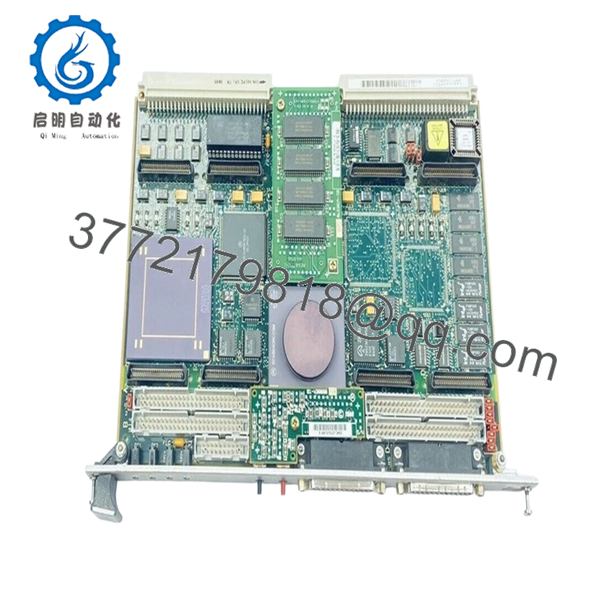
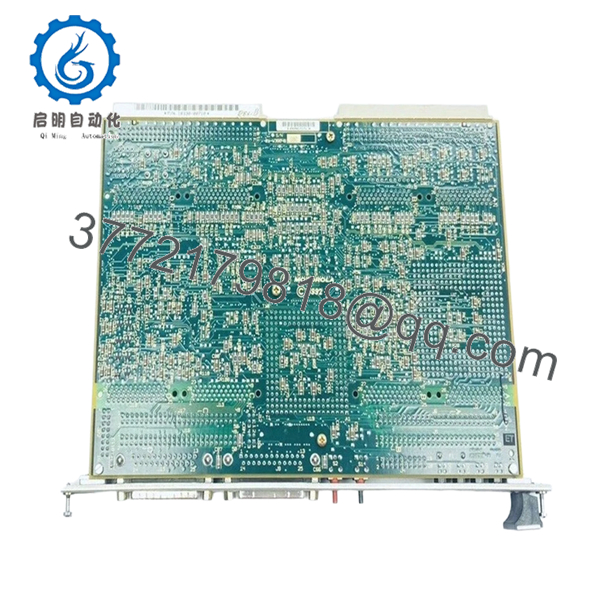
Reference Context: This board is documented as a VME 040 processor module used in Adept MV controller systems
4. Product Introduction
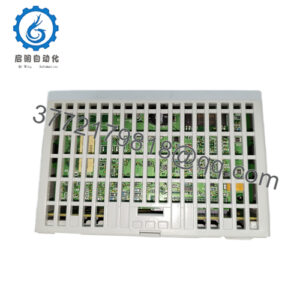
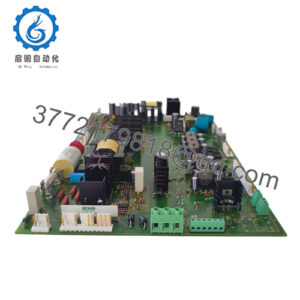
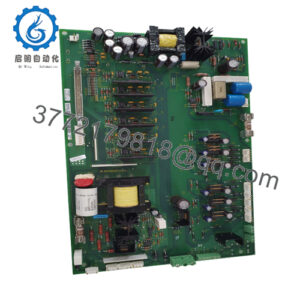
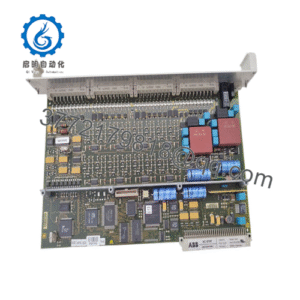
The Motorola 10330-00710 is a VMEbus CPU processor board used primarily in Adept robotic controllers (MV-5, MV-8, MV-10, MV-19 platforms). It functions as the main processing unit, executing motion control logic, communication tasks, and system coordination.
In real deployments, this board sits at the core of the robot control rack. Unlike modern PLC CPUs, it relies heavily on VME backplane timing and external modules for I/O and motion. Replacement is typically driven by aging hardware rather than performance limitations.
5. Installation & Configuration Guide
Stage 1: Pre-Installation Preparation (15–20 minutes)
- ⚠️ Safety First: Shut down controller, isolate power, lock out/tag out. Wait 5–10 minutes for bus discharge.
- Tools Required: ESD strap, flat screwdriver, multimeter, labels, smartphone.
- Data Backup:
- Record system configuration and slot position
- Document jumper/DIP settings
- Capture serial console parameters
Stage 2: Removing the Old Module (10 minutes)
- Loosen front panel screws.
- Label all serial and I/O connections.
- Use ejector levers to disengage board.
- Pull straight out — avoid stressing DIN connectors.
- Inspect backplane pins and connectors.
- ⚠️ Note: Retain old board for jumper reference.
Stage 3: Installing the New Module (10–15 minutes)
- Verify exact part number (10330-00710) — small suffix differences matter.
- Clone jumper/DIP configuration exactly.
- Insert along guide rails evenly.
- Seat firmly into backplane connectors.
- Secure front panel screws.
- Self-Checklist:
- Jumpers match
- Fully seated
- No connector damage
- Cabling restored
Stage 4: Power-On & Testing (20–30 minutes)
- Pre-Power Check: Confirm +5 V rail integrity.
Power-On Steps:
- Power up VME chassis.
- Observe CPU board LEDs.
- Connect via serial console.
- Verify boot sequence / OS startup.
- Confirm communication with I/O and motion modules.
- ⚠️ Troubleshooting Note:
- No boot → EPROM/firmware mismatch
- Bus errors → incorrect jumper settings
- Random faults → backplane wear or PSU instability
6. Frequently Asked Questions (FAQ)
Q1: Can I hot-swap this CPU board?
No. Standard VME systems are not hot-swappable. Removing this board under power can crash the controller or damage the backplane.
Q2: Is this the main CPU of the system?
Yes. In most Adept MV systems, this is the primary processor. Removing it will stop the entire robot controller.
Q3: Is this model still manufactured?
No. This is legacy hardware. Availability is limited to refurbished or surplus stock.
Q4: What is the closest replacement?
There is no direct drop-in replacement. Migration typically involves replacing the entire controller platform or redesigning the system.
Q5: Will I lose my robot program during replacement?
Not necessarily. Programs are usually stored on external storage or separate modules. However, CPU firmware and system configuration must match.
Q6: Why does this board fail after decades of use?
Common issues include:
- Capacitor degradation
- EPROM corruption
- Connector oxidation
I’ve seen boards boot intermittently due to marginal power rails.
Q7: Why is pricing inconsistent across suppliers?
Because supply is scarce and condition varies widely. Tested units with verified operation command higher prices than untested pulls.

- 10330-00710
- 10330-00710
Quality Control & Testing SOP (Transparency)
1. Inbound Inspection & Traceability
- Verified part number: 10330-00710
- Serial number recorded
- PCB inspection: no rework, no burn marks
- Connector edge wear checked under magnification
2. Live Functional Testing
- Tested in a genuine VME chassis with Adept controller setup
- Boot sequence verified via serial console
- Communication with I/O modules validated
- 24-hour runtime test under load
- Thermal monitoring using Fluke IR thermometer
3. Electrical Parameter Testing
- Insulation resistance >10 MΩ @ 500 V
- Power rail verification (+5 V, ±12 V)
- Ground continuity confirmed
4. Firmware & Configuration Verification
- EPROM presence and labeling documented
- Jumper/DIP configuration recorded
5. Final QC & Packaging
- ESD-safe packaging
- Foam-protected industrial carton
- QC Passed label with traceable ID
Test reports and boot videos available upon request.
Technical Pitfalls & Survival Guide
❗ Firmware / EPROM Dependency
This board may not boot without the correct EPROM set.
I’ve seen identical hardware sit dead because firmware didn’t match the system.
❗ Jumper Misconfiguration
Addressing conflicts will crash the VME bus.
Take photos before removal. Don’t guess.
❗ Backplane Wear Issues
Older VME racks develop connector fatigue.
Intermittent faults often trace back to the backplane—not the board.
❗ Power Supply Margins
These systems run close to limits.
A slightly higher current draw can trigger instability.
❗ ESD Handling Damage
No modern protection here.
One careless touch can kill the board before installation.