WhatsApp: +86 16626708626
 Email:
  Phone: +86 16626708626
Description
Key Technical Specifications
| Parameter | Specification Value |
| Manufacturer Model No. | COP-001-11B |
| Product Category | Automatic Sliding Door Control Unit |
| Control Architecture | Microprocessor-based digital control |
| Input Voltage | 100 to 240 V AC (50/60 Hz system input) |
| Motor Drive Output | DC Motor Controller Output (Variable Speed PWM) |
| Safety Inputs | Dual-channel sensor inputs (Activation & Safety beam) |
| Auxiliary Interfaces | Electric lock output, battery backup interface, key switch terminal |
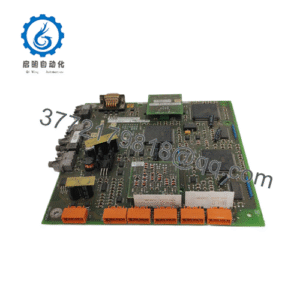
| Adjustable Trimmers | Open/Close Speed, Hold-Open Time, Slowdown Distance, Creep Speed |
| Enclosure Type | Chassis-mount PCB module with protective housing |
| Operating Temperature | -10 to +50 °C |
Product Introduction & Supply Chain Strategy
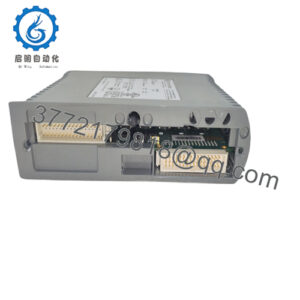
The NABCO COP-001-11B is a high-reliability microprocessor-based controller board designed for NABCO commercial automatic sliding door operators. It controls door movement profiles—including smooth acceleration, high-speed travel, safety slowdown, and position braking—while processing inputs from motion sensors, safety beams, and auxiliary electric locks.
Securing the COP-001-11B as New Surplus provides exceptional Total Cost of Ownership (TCO) optimization and keeps commercial facility entrances operational. Because a failed door controller forces high-traffic entrances into manual operation or compromises building security, keeping a genuine, unused surplus controller on hand allows facility engineers to restore full automatic door operation instantly without paying full OEM package prices.
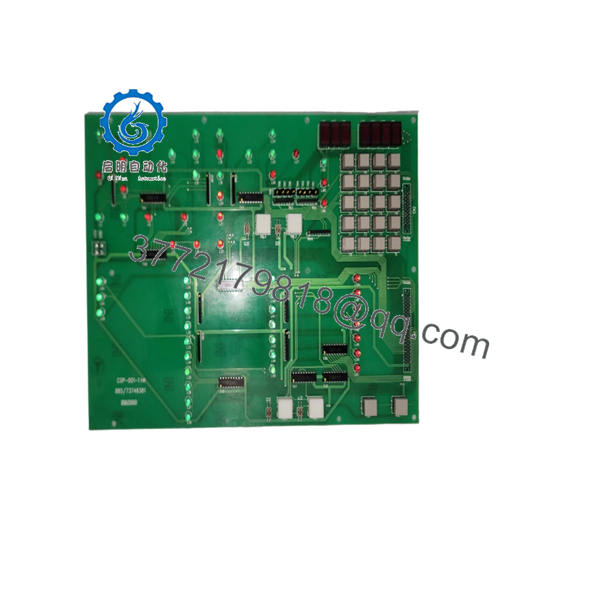
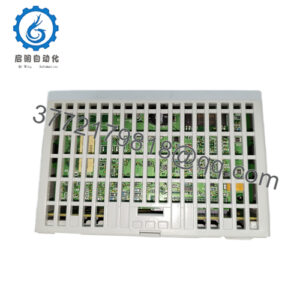
COP-001-11B
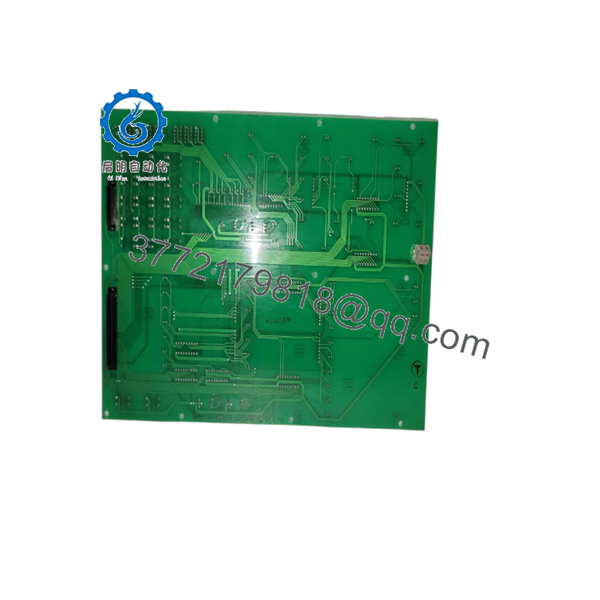
COP-001-11B
Installation & Configuration Guide
Stage 1: Pre-Installation (Prep & Safety)
- Execute Lock-Out/Tag-Out (LOTO) on the main AC circuit breaker feeding the automatic door header box.
- Put on an ESD-grounded wrist strap before handling the replacement control board.
- Take high-resolution photos of all terminal block wiring labels, DIP switch banks, and potentiometer adjustment settings on the old controller.
Stage 2: Removal
- Unplug the main power harness and motor connector from the COP-001-11B board.
- Disconnect all auxiliary wiring harnesses, including activation sensors, safety beams, electric lock contacts, and key switches.
- Remove the mounting screws holding the controller chassis inside the header rail.
- Carefully lift out the old controller board assembly without straining adjacent wiring.
Stage 3: Installation (Clone & Seat)
- Mount the new NABCO COP-001-11B board into the header channel and secure the mounting screws.
- Replicate the exact potentiometer dial positions (Open Speed, Close Speed, Hold-Open Time, Slowdown) and DIP switch settings from the old board onto the new unit.
- Reattach the terminal block connectors, activation sensor wires, safety beam loops, and motor leads to their designated positions.
Stage 4: Power-On & Testing
- Ensure the door pathway is clear of obstacles and manually slide the door panels to mid-travel position.
- Apply AC power. The controller will execute a self-calibration/stroke-learning routine to locate physical end stops.
- Walk through activation sensor zones and safety beam paths to verify smooth door opening, soft deceleration, proper hold-open timing, and obstruction-reversal sensitivity.
Firmware/Software Versions & Upgrade Notes
- Onboard Calibration: The COP-001-11B features self-learning stroke measurement logic. Upon initial power-up, the controller detects door weight and track length during its first open/close cycle.
- Potentiometer Adjustments: Fine-tuning of door speed and braking distance is performed via onboard analog trimmers. Use an insulated alignment tool to make minor adjustments.
- Safety Beam Compatibility: Ensure connected infrared safety sensors utilize compatible N.C./N.O. output logic. Incorrect sensor contact logic will prevent the controller from closing the door.
- Power Isolation Warning: Never connect or disconnect sensor harnesses or motor leads while AC power is live. Voltage spikes can damage onboard microcontrollers and relay driver transistors.
Frequently Asked Questions (FAQ)
What is the financial benefit of choosing a New Surplus NABCO controller over a refurbished board?
Commercial door operators run continuously under heavy daily foot traffic. Refurbished boards often have heat-stressed capacitors and worn motor driver relays that fail prematurely under high cycling loads. Our New Surplus inventory consists of 100% genuine, unused OEM controllers from reserve facility stock. You receive factory-grade reliability and full service life at a substantially lower price than purchasing a brand-new header kit.
Is this NABCO unit guaranteed to be brand new and genuine?
Yes. Every supplied is certified Original New Surplus. They feature zero operational field cycles, clean connector pins, pristine PCB traces, and original manufacturer markings. Units are inspected exclusively under ESD-safe bench conditions.
Why is keeping a spare door controller on-site important for facility management?
A malfunctioning automatic door controller creates an immediate physical security flaw, HVAC energy loss, and ADA compliance violation. Having a pre-tested spare in building inventory enables facility technicians to complete a swap in under 30 minutes, keeping your entrance secure and operational.
Can I hot-swap the controller while the entrance header is energized?
No. Always isolate main AC line power before making terminal connections or replacing the controller. Hot-plugging motor or power harnesses can cause arcing, blow onboard protective fuses, or damage sensitive sensor inputs.
What should I check if the door moves slowly or reverses before reaching full closure after installing the new board?
First, verify that the door track and rollers are clean and free of physical drag. If mechanical movement is clear, adjust the slowdown distance and closing force trimmers on the board, then cycle power so the microprocessor can execute a fresh stroke-learning cycle.