WhatsApp: +86 16626708626
 Email:
  Phone: +86 16626708626
Description
3. Key Technical Specifications
- Manufacturer: NABCO
- Model: MC-151-03B
- Product Category: Printed Circuit Board (PCB) for marine and industrial automation
- Primary Application: Main engine remote control, bridge/engine room interface, and related control functions
- Compatibility: NABCO MC-151 series and associated main engine control systems (M-800 family and related)
- Typical Environment: Shipboard control cabinets and engine room automation racks
- Form Factor: Standard industrial/marine PCB card
- Related Family Parts: MC-151-01B, MC-151-03D, MC-151-13A (similar form factor and system role)
- Note: Exact supply voltage, current draw, connector pinout, DIP switch settings, and firmware revision must be verified against the original installed board and vessel drawings before installation.
4. Product Introduction
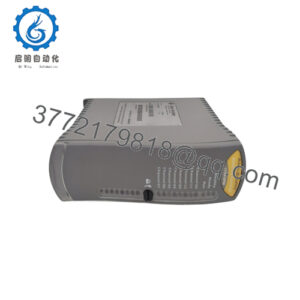
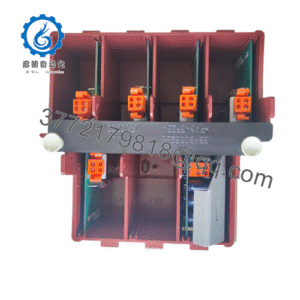
The NABCO MC-151-03B is a printed circuit board used in marine main engine remote control and automation systems. It forms part of the NABCO control architecture commonly found on vessels with MAN B&W and similar engines, handling critical signal processing and control interface functions between the bridge, engine control room, and engine actuators.
Operators and maintenance teams select the MC-151-03B when a failed board in the MC-151 series must be replaced. It is engineered as a form-fit-function board for the original system. Always photograph the original board’s markings, switch positions, and connectors before removal and confirm compatibility with the specific system revision on board.
5. Troubleshooting Quick Reference
| Symptom | Possible Cause | Relevance to this Part | Quick Check Method | Recommendation |
|---|---|---|---|---|
| No response or dead board on power-up | Upstream power supply failure or open fuse | ❌ Low | Measure supply voltage at the cabinet terminals with a multimeter | Confirm clean power and fuses before replacing the PCB |
| Specific control channels fail while others remain active | Faulty component or degraded section on the MC-151-03B | ✅ High | Observe any status LEDs on the board and review system diagnostic logs | Isolate power, then swap with a known-good board only after documenting original settings |
| Intermittent control or communication dropouts | Loose connector, corrosion, or marginal board contact | ✅ Medium | Inspect edge connectors and wiring for oxidation or mechanical damage; reseat the board firmly | Clean contacts if required; if the fault returns, replace the PCB |
| Alarms or abnormal behavior after board replacement | Configuration or revision mismatch | ✅ High | Photograph original DIP switches, jumpers, and revision markings before removal | Duplicate the exact physical configuration on the new board; contact support with photos if alarms persist |
| Board powers but no output to actuators/solenoids | Downstream wiring, actuator, or interposing relay fault | ❌ Low | Check continuity and commanded voltage at the output terminals | Trace the signal path beyond the PCB before condemning the card |
If the fault remains unclear, supply clear photos of both sides of the board, the system diagnostic screen or log, and the exact alarm text to technical support.
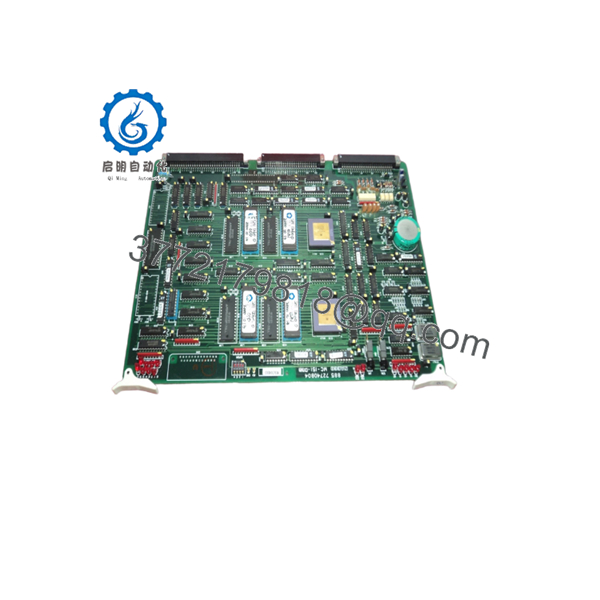
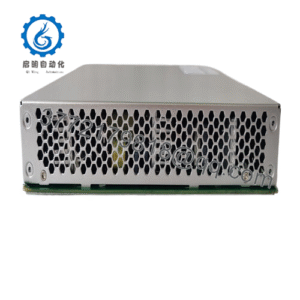
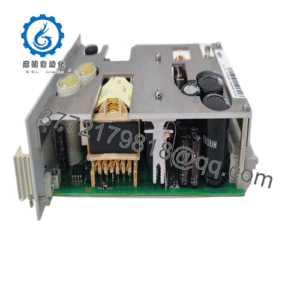
MC-151-03B
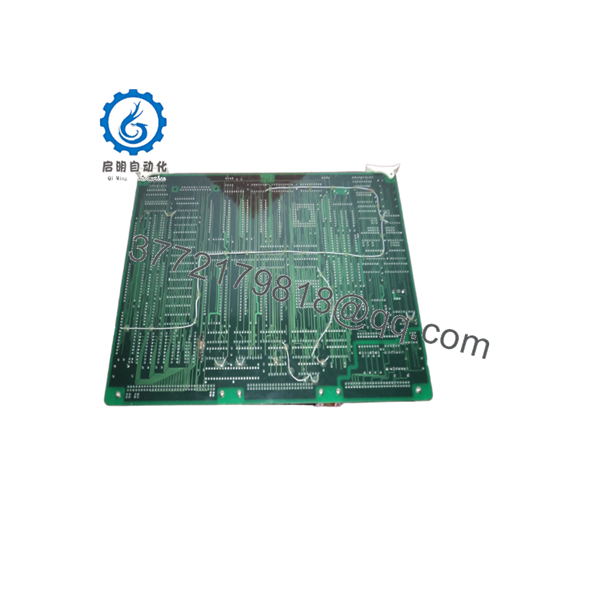
MC-151-03B
6. Frequently Asked Questions (FAQ)
Q: Is the NABCO MC-151-03B a direct replacement for the MC-151-01B, MC-151-03D, or MC-151-13A? A: These boards belong to the same MC-151 family and share a similar role in NABCO marine control systems. Form factor and connectors are often compatible, but hardware revisions and firmware can differ. Always compare the physical markings, switch settings, and system drawings of the original board before ordering or installing.
Q: What condition are the boards you supply? A: We offer New Original (New Surplus) units when available and fully tested used or refurbished boards. Each unit receives visual inspection, power-on verification, and functional checks where a suitable test setup exists. Test documentation and photos are available on request. Condition is stated clearly on every quotation.
Q: Can I hot-swap the MC-151-03B while the system is live? A: No. Fully isolate and lock out power to the control cabinet before removing or inserting the board. Hot-swapping risks damage to the PCB, backplane, or connected devices and can produce unexpected engine control responses. Follow standard marine lock-out/tag-out procedures.
Q: Will system configuration and settings be retained after replacement? A: Most configuration resides in hardware settings (DIP switches, jumpers) or in other system modules rather than solely on this board. Photograph the original board’s switch positions and any labels before removal and replicate them exactly on the replacement. Verify full system behavior after power-up.
Q: Why is the price lower than a new unit direct from the OEM? A: New Surplus and professionally tested used boards come from excess inventory or decommissioned systems. They are not current-production sealed stock from the factory line. We test them and back them with a warranty, but the pricing reflects secondary-market availability rather than OEM list price.
Q: What warranty coverage do you provide? A: New Surplus units typically carry a 1-year warranty. Tested used boards carry a defined period (commonly 6–12 months). Coverage applies to functional failure under normal operating conditions. Physical damage, incorrect installation, or operation outside the original system design voids the warranty.
Q: How do I confirm I am ordering the correct revision? A: Provide the exact markings from the failed board (including any revision letters, serial numbers, or date codes) and, if possible, a photo. We will match available stock as closely as possible and advise if a different but functionally equivalent revision is proposed.