 WhatsApp: +86 16626708626
 Email:
  Phone: +86 16626708626
Description
3. Key Technical Specifications
| Parameter | Value |
| Input Voltage | 24 V DC (Main and Backup) |
| Output Voltage | Regulated System Bus Power |
| Maximum Load | Dependent on Rack Configuration (approx. 5-8A) |
| Interface | Internal NORIS System Bus / CAN-Bus |
| Protective Circuits | Short-circuit, Overload, Reverse Polarity |
| Operating Temperature | -25 °C to +70 °C |
| Storage Temperature | -40 °C to +85 °C |
| Protection Class | IP20 (DIN Rail Mounted) |
| Housing | Polyamide, Flame-retardant |
| Status LEDs | Power OK, Bus Error, System Fault |
4. Product Introduction & Supply Chain Strategy
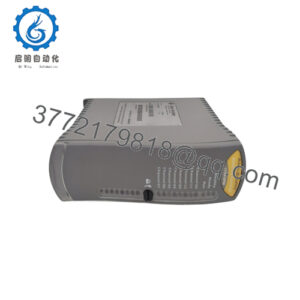
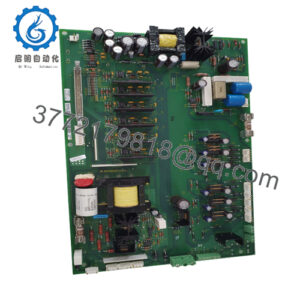
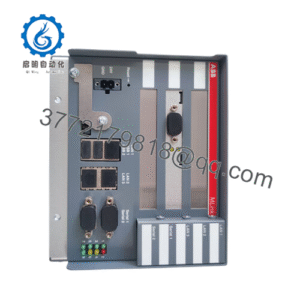
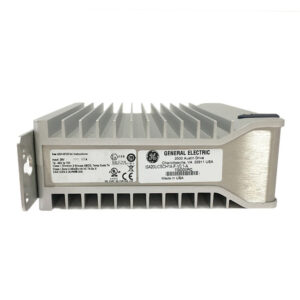
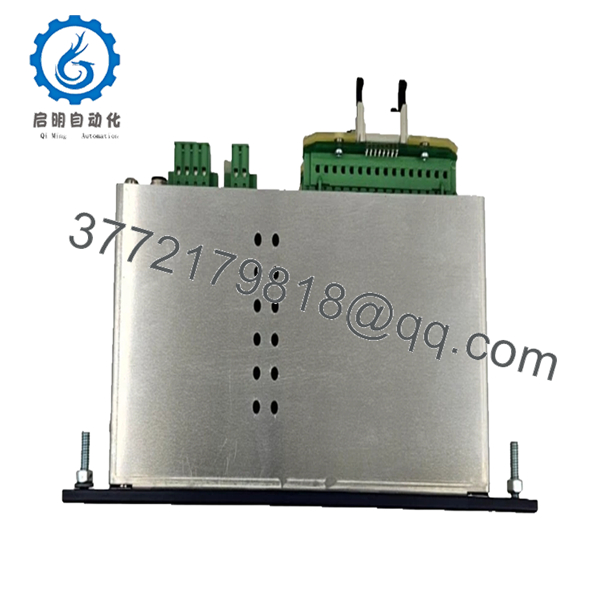
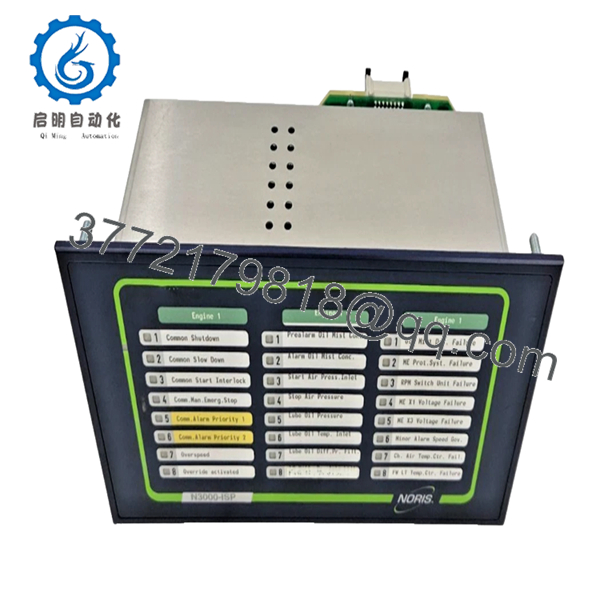
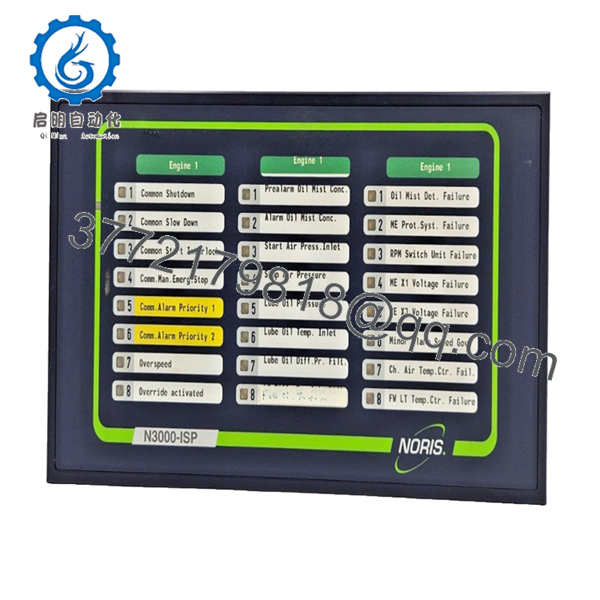
The NORIS N3000-IPS is a central component of the NORIMOS 3000 and NORISYS 4 automation platforms. It functions as both a power conditioner and a communication gateway, providing stable power to adjacent I/O modules while monitoring the health of the system bus. In marine applications, where power fluctuations are common, the N3000-IPS ensures that sensitive processing cards remain protected and operational.
Securing a New Surplus N3000-IPS is critical for vessels running legacy NORIS systems. Because this module serves as the power hub for the entire rack, a failure here can result in a total blackout of the engine monitoring or alarm system. Unlike refurbished units, which may have weakened electrolytic capacitors from years of heat exposure in engine room cabinets, our New Surplus inventory offers the full original service life and prevents the “cascading failures” often seen with aged power components.
- N3000-IPS

- N3000-IPS
- N3000-IPS
5. Installation & Configuration Guide
Stage 1: Pre-Installation (Prep & Safety)
Ensure the 24V DC main and emergency feeders are switched off at the distribution panel. Use an ESD-safe workspace. Review the existing system documentation to confirm the node ID or bus termination requirements, and take a photo of the original wiring terminals.
Stage 2: Removal
Standard NORIS N3000 modules use a DIN-rail locking mechanism. Use a small screwdriver to pull down the locking tab at the bottom of the module. Carefully slide the unit away from the adjacent modules to disconnect the internal bus connectors without shearing the pins.
Stage 3: Installation (Clone & Seat)
Inspect the side-mounted bus connectors on the new N3000-IPS for any debris. Slide the module onto the DIN rail and push it firmly against the neighboring module to ensure a solid bus connection. Engage the locking tab.
Stage 4: Power-On & Testing
Reconnect the 24V DC power leads. Upon power-up, the green “Power” LED should illuminate. Verify that the “Bus Error” LED is off. Check the system’s central display to ensure all downstream I/O modules are being polled correctly and that no power supply alarms are active.
6. Firmware/Software Versions & Upgrade Notes
- Bus Compatibility: The N3000-IPS is designed to work with standard NORIS bus protocols. Ensure that the module’s hardware revision is compatible with your existing NORIMOS software version.
- Firmware Notes: While these units are largely “plug-and-play” regarding power, the diagnostic logic may require a specific firmware version to report detailed faults to the master controller.
- Warning: Do not mix different generations of IPS modules within the same local bus segment unless specifically authorized by NORIS technical documentation, as power load-sharing logic may vary.
7. Frequently Asked Questions (FAQ)
Does this unit handle redundant power inputs?
Yes, the N3000-IPS typically supports dual 24V DC inputs (Main and Emergency) to ensure uninterrupted system operation in the event of a power source failure.
Why is it called an “Intelligent” power supply?
Unlike a standard power brick, the “IPS” designation means it monitors its own health, input voltages, and output load, reporting these metrics back to the central alarm system via the communication bus.
Is this part interchangeable with the newer NORISYS 4 components?
The N3000 series is the predecessor to the full NORISYS 4 line. While they share some DNA, you must verify the specific part number and bus interface (CAN vs. Proprietary) before attempting to use an N3000-IPS in a newer system.
Can I use a refurbished unit to save costs?
For a power supply module, refurbishing is highly risky. Power modules generate heat, which is the primary enemy of electrical components. A New Surplus unit ensures you aren’t starting with a module that has already been thermally stressed for 10 years.
What is the most common cause of failure for the N3000-IPS?
The most common causes are sustained overvoltage from the ship’s charging system or liquid ingress into the cabinet. Maintaining a New Surplus spare on-site is the only way to recover quickly from such events.