 WhatsApp: +86 16626708626
 Email:
  Phone: +86 16626708626
Description
Key Technical Specifications
- Model: SA378-34G
- Product family: NORIS binary alarm input/output module
- Application: Marine alarm and monitoring systems
- Signal type: Binary input/output
- System context: Used with NORIS processor and I/O rack architecture
- Mounting: Rack-mounted PCB module
- Replacement note: Confirm exact rack position and revision before ordering
- Condition: New surplus or tested used stock, depending on seller lot
- Availability: Limited, discontinued stock common
Product Introduction
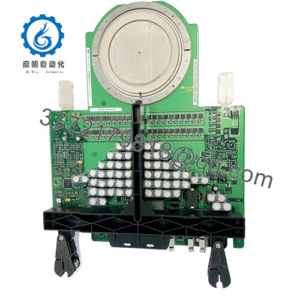
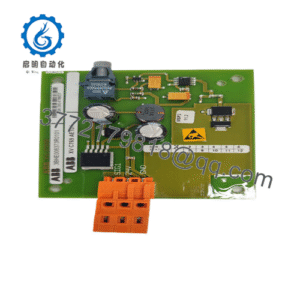
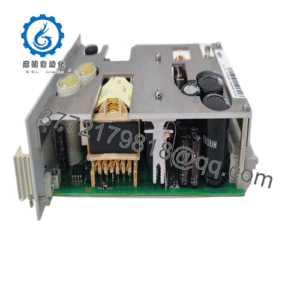
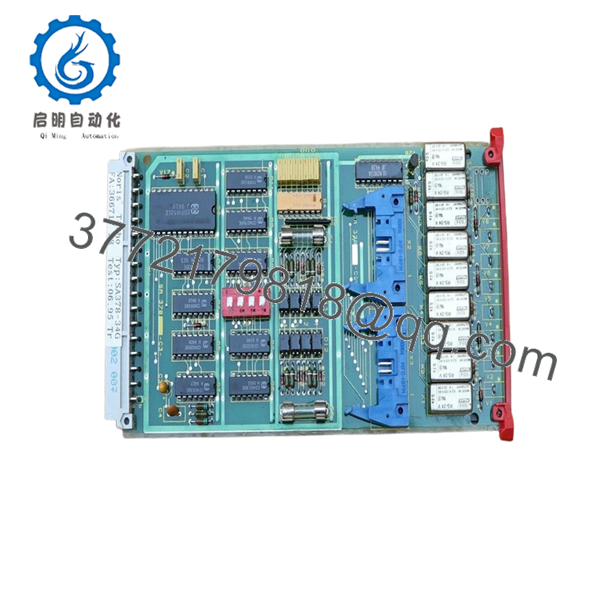
NORIS SA378-34G is a binary alarm input/output module used in NORIS marine automation and monitoring systems. It handles discrete alarm and control signals inside the system rack.
This part is typically sourced as a replacement for legacy NORIS alarm hardware where the exact board number matters. Match the rack, connector, and revision carefully, because similar NORIS cards are easy to confuse and not all are cross-compatible.

- SA378-34G
Troubleshooting Quick Reference
| Symptom | Possible Cause | Relevance to This Part | Quick Check Method | Recommendation |
|---|---|---|---|---|
| No alarm inputs register | Field wiring issue or loss of input supply | ✅ High | Measure input voltage at the terminal strip and verify continuity | Check external wiring before replacing the card |
| Output relays do not switch | Relay failure or missing control command | ✅ High | Check controller output state and listen for relay actuation | Verify upstream logic and then test the module |
| Intermittent alarm behavior | Loose connector, oxidized pins, or vibration | ✅ High | Inspect the card edge, socket, and cabinet grounding | Reseat the module and clean contacts if needed |
| System alarm stuck active | Shorted field input or bad signal reference | ❌ Low | Isolate the field circuit and test the line with a meter | Trace the external circuit first |
| Controller sees no module | Rack/backplane issue or wrong slot position | ✅ High | Confirm slot placement and check backplane continuity | Reinstall in the correct slot and inspect the rack |
| Multiple channels fail together | Shared supply fault or upstream board problem | ❌ Low | Measure supply rails and compare adjacent modules | Do not replace this card until the rack supply is verified |
Contact technical support with photos of the card, rack slot, connector pins, and any alarm logs if the fault is still unresolved.
Frequently Asked Questions
Q: Is the SA378-34G still available?
A: Usually only in limited surplus quantities. It is an older NORIS part, so stock can disappear fast and availability changes by lot.
Q: Is this a direct replacement for other NORIS binary cards?
A: Not automatically. NORIS used several similar SA378 variants, and the rack interface or relay layout may differ. Match the full model number exactly.
Q: Is this new or refurbished?
A: It is typically sold as New Original / New Surplus when available. If a seller lists it as refurbished, that should be stated clearly because the test history matters.
Q: Can I hot-swap it?
A: No, not by default. Power down the rack first. Pulling a card live can damage the backplane or create a false fault across the system.
Q: What should I check before ordering?
A: Verify the full part number, rack type, connector style, and whether your existing card is an SA378-34G or a similar SA378 variant. A one-digit difference can mean a different pinout or function.
Q: Why is this part usually sold as surplus?
A: Because it belongs to a legacy marine automation platform and OEM production is limited or discontinued. That makes surplus the practical source for maintenance spares.
Q: What usually causes “bad card” reports on this module?
A: To be honest, external wiring and upstream control faults cause a lot of false alarms. Check the field circuit, supply rails, and rack contacts before condemning the board.