 WhatsApp: +86 16626708626
 Email:
  Phone: +86 16626708626
Description
3. Key Technical Specifications
- Module Type: Printed Circuit Board (PCB)
- System Compatibility: NORIMOS marine monitoring systems
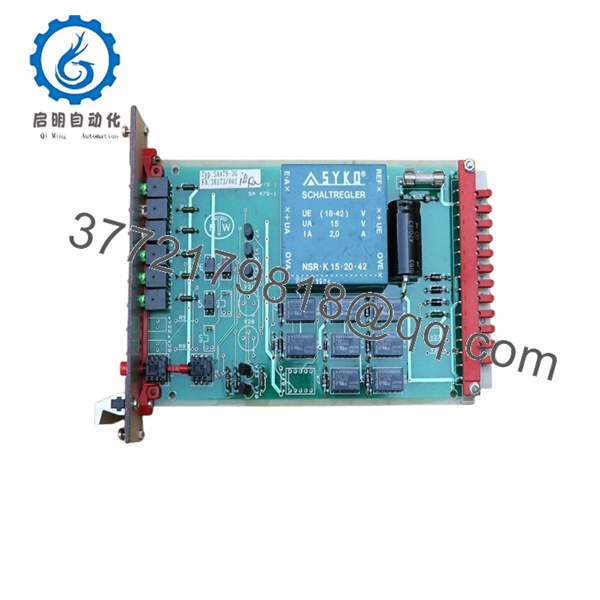
- Part Numbers: SA479-3G, FA: 36173/001, SA 479-1
- Function: Signal conditioning and internal control logic interface
- Architecture: Plug-in PCB for rack-based system
- Communication: NORIS proprietary backplane bus
- Power Supply: Backplane-fed (typically 24 V DC system)
- Weight: ~240 g
- Application: Engine monitoring, alarm signal processing
- Mounting: Dedicated slot within NORIMOS rack
- Manufacturing Context: Legacy marine automation (pre-PLC architecture)
4. Product Introduction
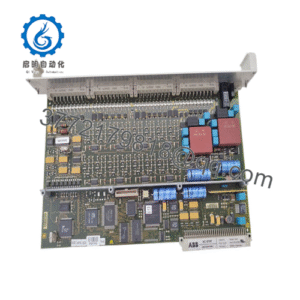
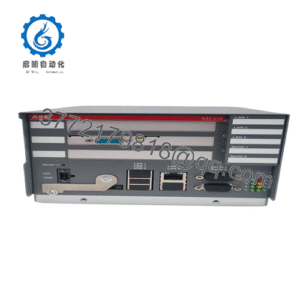
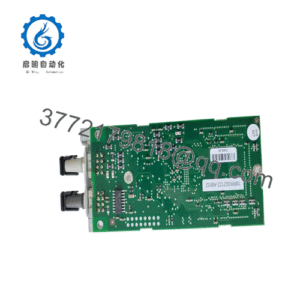
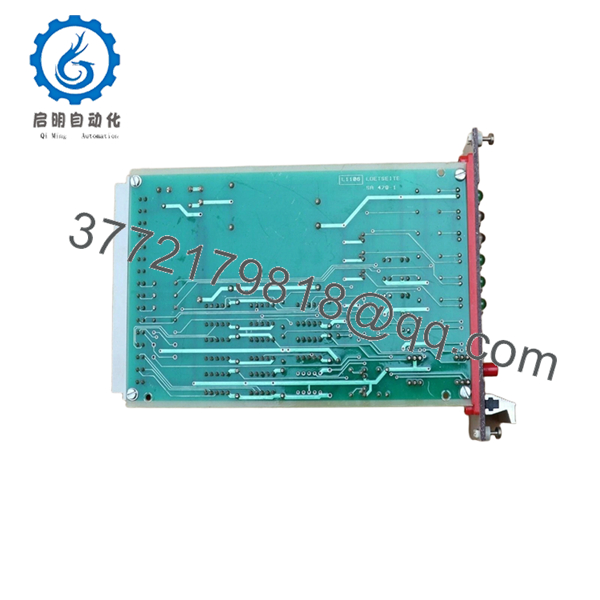
The NORIS SA479-3G is a plug-in PCB module used within NORIMOS marine monitoring systems for signal processing and internal control functions. It operates through the system backplane, supporting communication between CPU and I/O modules.
In real-world service, this board is typically replaced during fault isolation in aging NORIMOS racks. There is no direct modern equivalent—engineers keep these systems alive through like-for-like swaps to avoid full retrofit projects.
5. Installation & Configuration Guide
Stage 1: Pre-Installation Preparation (10–15 min)
- ⚠️ Safety First:
- Notify engine control room
- Shut down monitoring system
- Isolate 24 V DC supply
- Lock out/tag out
- Wait 5 minutes for discharge
- Tools Required:
- ESD wrist strap
- PH1 screwdriver
- Multimeter (Fluke 115 recommended)
- Wire labels
- Smartphone
- Data Backup:
- Photograph rack layout and module positions
- Record system behavior (fault symptoms matter here)
- Document neighboring module types
Stage 2: Removing the Old Module (5–10 min)
- Open cabinet and locate SA479-3G slot
- Label adjacent modules (slot position is critical)
- Release locking tabs
- Pull module straight out
- Inspect backplane connector
- ⚠️ Note:
These racks are old—connector pins bend easily. If you force it, you’ll damage the rack, not just the board.
Stage 3: Installing the New Module (10 min)
- Wear ESD protection
- Verify exact part number (SA479-3G vs SA479 variants)
- Insert module into correct slot
- Ensure full seating (no partial engagement)
- Secure locking tabs
- Self-Checklist:
- Correct slot
- Fully seated
- No bent pins
Stage 4: Power-On & Testing (15–20 min)
- Pre-Power Check:
- Measure 24 V DC rail stability
- Power-On Steps:
- Energize rack
- Observe system startup
- Verify communication between CPU and I/O modules
- Trigger alarm simulation
- ⚠️ Troubleshooting Note:
- No response → backplane contact issue
- Intermittent faults → oxidation or marginal connector seating
- False alarms → upstream module interaction issue

- SA479-3G
- SA479-3G
6. Frequently Asked Questions (FAQ)
Q1: Is the SA479-3G a CPU module?
No. It’s a supporting PCB for signal processing. The actual system control logic resides in CPU modules like SA371 series.
Q2: Can I hot-swap this module?
No. This system predates hot-swap design. Removing it under power risks backplane damage and system faults.
Q3: Is this module still manufactured?
No. Fully obsolete. Units are only available from surplus or dismantled systems, typically priced around 700–900 depending on condition.
Q4: Is there a direct replacement?
No drop-in replacement exists. Migration requires redesign to a modern PLC/DCS platform, including rewiring and re-certification.
Q5: Why do identical part numbers behave differently sometimes?
Hardware revisions (FA numbers, production batches) can differ slightly. I’ve seen two boards with the same label behave differently in marginal systems.
Q6: What is the most common failure mode?
Connector degradation and aging components. Many failures are intermittent—temperature and vibration make them worse.
Q7: Should I stock spares?
Yes. If your vessel still runs NORIMOS, not having spare PCBs like this is a risk. Lead times are unpredictable and availability is inconsistent.