WhatsApp: +86 16626708626
 Email:
  Phone: +86 16626708626
Description
3. Key Technical Specifications
| Parameter | Value |
|---|---|
| Application | Marine steering gear system |
| Function | Servo screw tube driver control |
| System Integration | Tenfjord steering gear |
| Supply Voltage | 24 V DC (control typical) |
| Control Type | Closed-loop servo control |
| Form Factor | PCB circuit card module |
| Mounting | Rack / control cabinet insertion |
| Operating Environment | Marine / offshore |
| Operating Temperature | 0 to +55°C |
| Weight | ~90–100 g |
| Manufacturer | Rolls-Royce Marine AS |
| Revision | REV.C (latest known field version) |
4. Product Introduction & Supply Chain Strategy
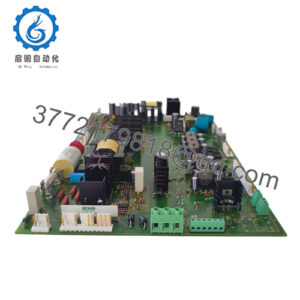
The Rolls-Royce 5880-PC1028 REV.C is a servo screw tube driver board used in Tenfjord marine steering gear systems. It regulates actuator movement and ensures precise rudder positioning, directly impacting vessel maneuverability and safety-critical operations.
This product is a Brand New Surplus unit. It is not used, not pulled from a decommissioned vessel, and not refurbished. Given its marine OEM origin and lifecycle maturity, availability is limited and lead times are unpredictable. A last-time-buy strategy is strongly advised to mitigate stock-out risk and avoid the operational exposure associated with refurbished boards, which often fail due to aged components.
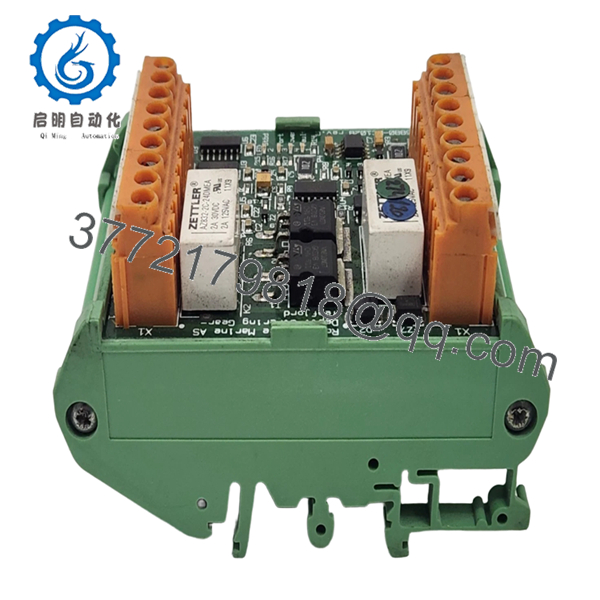
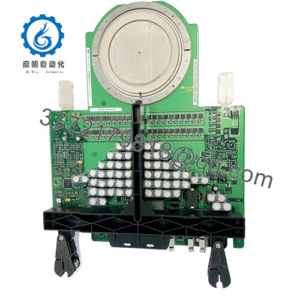
- 5880-PC1028 REV.C
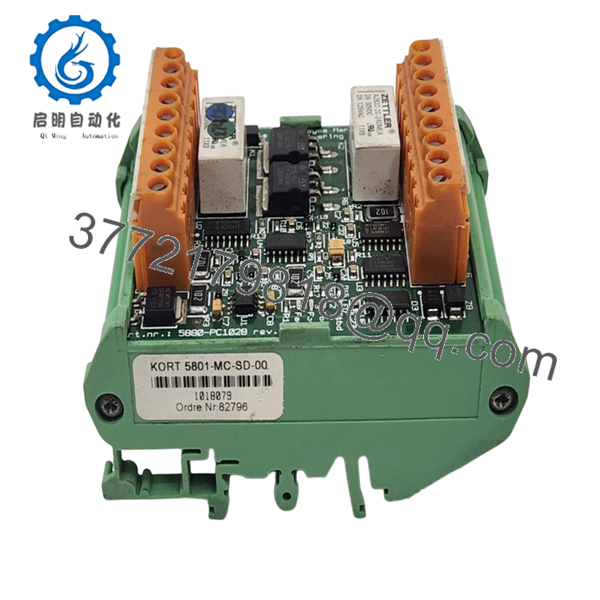
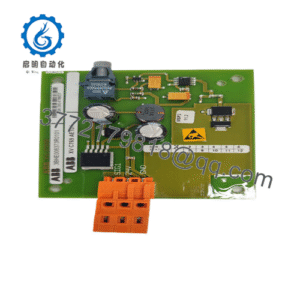
- 5880-PC1028 REV.C
5. Installation & Configuration Guide
Stage 1: Pre-Installation (Prep & Safety)
- Perform lock-out/tag-out on steering control system.
- Isolate all control power (24 V DC and system supply).
- Use ESD protection—PCB modules are highly sensitive.
- Photograph terminal wiring and board slot position.
- Record system parameters and calibration values.
Stage 2: Removal
- Carefully release retaining clips or screws.
- Extract the PCB vertically—avoid flexing the board.
- Inspect backplane connectors for corrosion (common in marine environments).
Stage 3: Installation (Clone & Seat)
- Verify identical revision (REV.C) before installation.
- Insert board evenly into guide rails.
- Ensure full seating—partial insertion causes intermittent faults.
- Reconnect all harnesses and grounding points.
Stage 4: Power-On & Testing
- Reapply power and monitor current draw.
- Confirm system status indicators (no fault alarms).
- Execute steering test (port/starboard response).
- Validate feedback loop stability via control system.
6. Firmware/Software Versions & Upgrade Notes
- REV.C boards are typically matched with specific steering control firmware—verify compatibility before swap.
- Firmware mismatches may cause actuator lag or communication faults.
- Avoid mixing board revisions (REV.B vs REV.C) within the same control rack.
- Do not upgrade firmware during emergency replacement—validate in a test environment first.
- Always back up steering calibration parameters prior to replacement.
7. Frequently Asked Questions (FAQ)
Q1: Are these boards truly new or surplus from ships?
They are New Surplus units from OEM or authorized supply channels. No operational wear, no repairs, and no degraded components.
Q2: Why is pricing higher than used marine parts?
Used boards often come from dismantled vessels with unknown stress history (humidity, salt exposure). Failure risk is high. New Surplus ensures reliability and avoids secondary costs like vessel downtime.
Q3: Is this part obsolete?
Yes—this is a legacy Tenfjord steering gear component. OEM production is limited or discontinued. Immediate last-time-buy planning is recommended.
Q4: What is the failure impact if this board goes down?
This is a mission-critical control board. Failure can result in loss of steering control or forced manual override—high operational risk.
Q5: Can I hot-swap this PCB?
No. Always power down the control system. Hot-swapping risks backplane damage and system faults.
Q6: What stocking strategy do you recommend?
- Minimum: 1 unit per vessel (insurance policy)
- Fleet operators: 2–3 units with cross-vessel sharing
- Use buffer stock due to extreme lead time variability