 WhatsApp: +86 16626708626
 Email:
  Phone: +86 16626708626
Description
Key Technical Specifications
- Part Number: 8344-14
- System Compatibility: Ulstein Marine / Tenfjord Steering Systems
- Input Voltage: 24 V DC (nominal)
- I/O Configuration: Multi-channel analog/digital interface
- Mounting: Standard Marine Rack / DIN Rail compatible
- Enclosure Rating: IP20 (Requires console mounting)
- Operating Temp: −15 to +55 °C
- Storage Temp: −25 to +70 °C
- Certifications: Designed to meet DNV/GL, LR, and ABS marine standards
Product Introduction
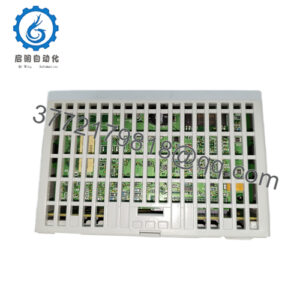
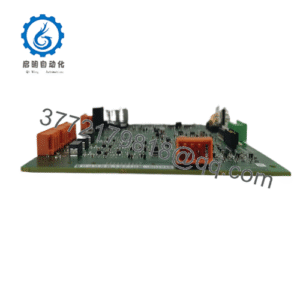
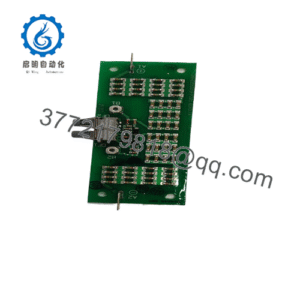
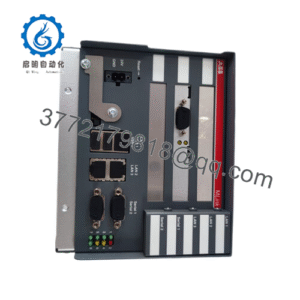
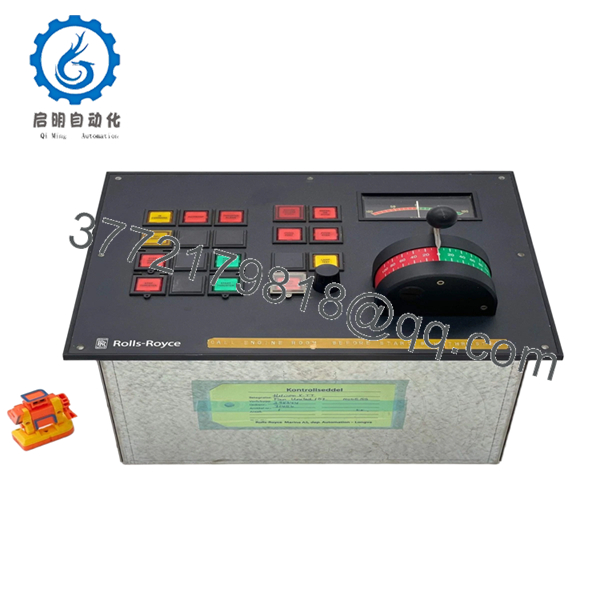
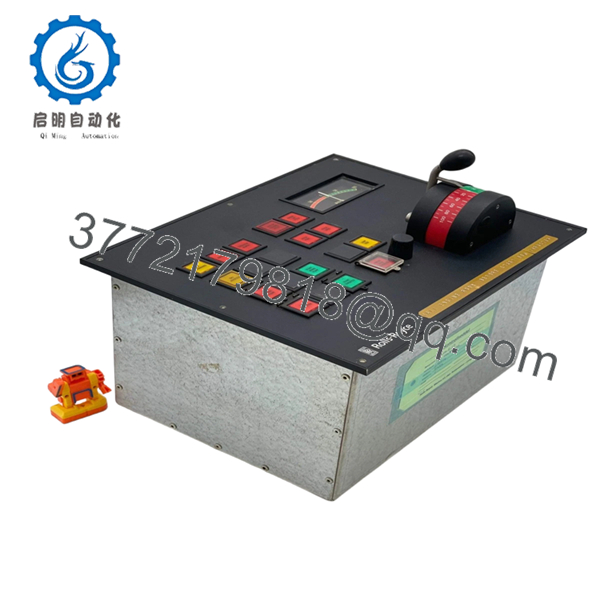
The Rolls-Royce 8344-14 is a specialized interface module primarily utilized within Ulstein and Tenfjord marine steering gear control systems. As a critical component of the vessel’s automation suite, this board handles the precision signal processing required to translate bridge steering commands into hydraulic actuator movements.
Given the critical nature of steering automation, the 8344-14 is engineered with high-redundancy circuit paths and marine-hardened components. It is designed to operate reliably in high-vibration environments and is a standard replacement part for maintaining the integrity of legacy Rolls-Royce marine steering systems.

- 8344-14
- 8344-14
Installation & Configuration Guide
Stage 1: Pre-Installation Preparation
- ⚠️ Safety First: Steering gear maintenance must be performed while the vessel is at anchor or safely moored. Notify the bridge and engine room. Isolate the 24V DC control power and follow standard Lockout/Tagout (LOTO) procedures.
- Tools Required: ESD wrist strap, precision screwdriver set, digital multimeter (Fluke 115 or equivalent).
- Data Backup: Document all existing wire labels and take high-resolution photos of the terminal connections and any potentiometer positions on the board.
Stage 2: Removing the Old Module
- Verify your ESD strap is connected to a known ground point on the control cabinet.
- Carefully disconnect the terminal blocks or wiring harnesses. Do not pull on the wires themselves; use a small tool to release the connectors if they are stuck.
- Remove the retaining screws or release the DIN rail clips.
- Slide the 8344-14 out of its slot, avoiding contact with other live components in the rack.
Stage 3: Installing the New Module
- Configuration Check: Inspect the new 8344-14 Rev for any jumpers or DIP switches. These must be set to match the original board exactly to ensure proper signal scaling (e.g., 4-20mA vs 0-10V).
- Install the module into the rack, ensuring it is seated firmly.
- Reconnect the wiring according to your labels and photos. Ensure all terminal screws are tightened to approximately 0.5 Nm to prevent vibration-induced loosening.
- Self-Checklist: [ ] Jumpers verified, [ ] Wiring secured, [ ] No stray wire strands.
Stage 4: Power-On & Testing
- Restore control power (24V DC).
- Observe the onboard LEDs. A steady green power LED should be visible.
- Perform a “Dry Run”: Command small steering increments from the bridge and verify that the feedback signals on the 8344-14 respond accordingly.
- Check for any “Steering Gear Failure” alarms on the Alarm Monitoring System (AMS).
- ⚠️ Troubleshooting Note: If the steering response is sluggish or inverted, re-verify the jumper settings for the feedback loop (Feedback Potentiometer scaling).
Frequently Asked Questions (FAQ)
Can I use the 8344-14 in an older Tenfjord system? The 8344-14 is a common interface board for many Ulstein-era systems. However, you must verify the specific “8344” prefix matches your existing documentation. If your manual calls for an earlier revision, the -14 is generally backward compatible, but verify the pinouts first.
Does this board require software programming? No, the 8344-14 is typically a hardware-level interface module. It processes signals based on physical configurations (jumpers/potentiometers) rather than stored software logic. This makes it an ideal “drop-in” replacement for rapid repairs at sea.
Is it safe to swap this board while the steering pump is running? I strongly advise against it. Swapping interface boards while the hydraulic system is active can cause “hard-over” signals, where the rudder moves unexpectedly to its limit. Always de-energize the control circuit and the pump starters before the swap.
Why is my new board showing a “Ground Fault”? This is often caused by a pinched wire during installation or moisture in the terminal block. Since these boards operate on a floating 24V marine DC bus, even a small leak to the hull will trigger an alarm. Check your cable shielding for contact with the board’s chassis.
Are these units genuine Rolls-Royce parts? Yes, these are genuine OEM “New Surplus” units. They were manufactured for Rolls-Royce Marine (now Kongsberg) and have been stored in a climate-controlled, ESD-safe environment. They are not aftermarket clones.