 WhatsApp: +86 16626708626
 Email:
  Phone: +86 16626708626
Description
3. Key Technical Specifications
| Parameter | Value |
|---|---|
| Application | Marine propulsion & remote control systems |
| Function | Central control node / signal processing |
| Supply Voltage | 90–264 V AC |
| Input/Output | Digital + Analog I/O channels |
| Communication | Ethernet |
| Protocol Support | Modbus TCP |
| Memory | Industrial RAM (multi-task capable) |
| Protection | IP65 (marine-grade enclosure) |
| Operating Temperature | −20°C to +60°C |
| Mounting | Panel / control cabinet |
| Power Consumption | Low-power industrial design |
| Environment | Marine / offshore automation |
4. Product Introduction & Supply Chain Strategy
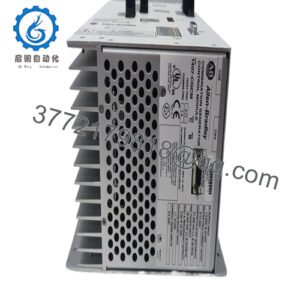
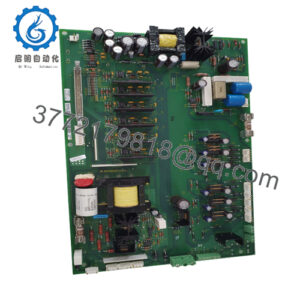
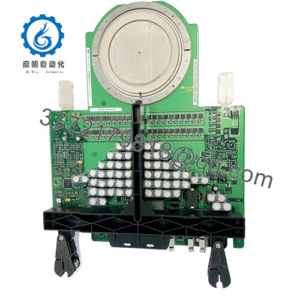
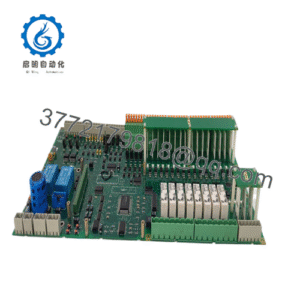
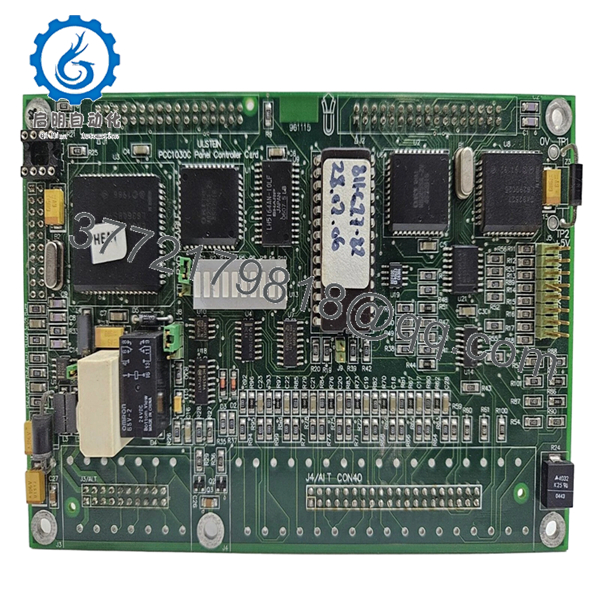
The Rolls-Royce AS PCC1030C is a panel controller card used as a central processing node in marine propulsion and remote control systems. It manages real-time data from sensors, actuators, and propulsion components, ensuring stable vessel maneuvering and system coordination.
This product is a Brand New Surplus unit. It is not used, not pulled from a decommissioned vessel, and not refurbished. The PCC1030C is now discontinued, and global availability is fragmented. Securing inventory reduces exposure to lead time variability and avoids the high failure rates associated with refurbished marine electronics, directly lowering Total Cost of Ownership (TCO).

- AS PCC1030C
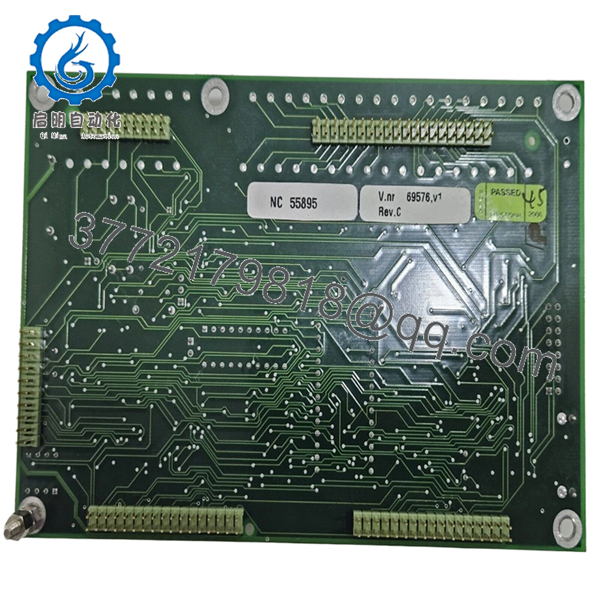
- AS PCC1030C
5. Installation & Configuration Guide
Stage 1: Pre-Installation (Prep & Safety)
- Execute lock-out/tag-out (LOTO) on propulsion control system
- Isolate AC power supply (90–264 V AC)
- Use ESD grounding—controller boards are highly sensitive
- Capture full wiring layout and communication topology
- Backup configuration and network parameters
Stage 2: Removal
- Disconnect all fieldbus, Ethernet, and I/O connectors
- Release panel mounting hardware
- Extract evenly to prevent connector or PCB stress
- Inspect terminals for corrosion (marine environment risk)
Stage 3: Installation (Clone & Seat)
- Verify identical model and firmware compatibility
- Install in panel slot and secure firmly
- Reconnect communication and I/O wiring exactly
- Ensure proper grounding and shielding
Stage 4: Power-On & Testing
- Restore AC supply and monitor startup sequence
- Verify system diagnostics and status indicators
- Confirm communication with propulsion system
- Perform functional test (rudder/propeller response simulation)
6. Firmware/Software Versions & Upgrade Notes
- Match firmware with existing propulsion or control system architecture
- Firmware mismatch may result in:
- Communication loss
- Control instability
- Fault alarms during operation
- Avoid upgrading firmware during emergency replacement
- Some legacy systems require specific protocol stacks (e.g., older Profibus versions)
- Always document firmware and configuration before removal
7. Frequently Asked Questions (FAQ)
Q1: Are these PCC1030C units truly new?
Yes. These are New Surplus units sourced from OEM or authorized supply channels. No prior installation, no repairs, and no component degradation.
Q2: Why is New Surplus preferred over refurbished units?
Marine control boards degrade due to humidity, vibration, and thermal cycling. Refurbished units often fail prematurely. A single failure can disrupt propulsion control—far exceeding the initial savings.
Q3: Is PCC1030C still in production?
No. It is classified as discontinued/EOL, with limited availability in secondary markets.
Q4: What is the operational impact of failure?
This is an A-class critical spare. Failure can lead to:
- Loss of propulsion control
- Reduced maneuverability
- Emergency shutdown scenarios
Q5: What stocking strategy do you recommend?
- Minimum: 1 unit per vessel (insurance policy)
- Fleet operators: 2–3 units with cross-site sharing
- Maintain buffer stock due to long and uncertain lead times
Q6: Can this module be hot-swapped?
No. Always isolate power before replacement. Hot-swapping risks system faults and hardware damage.
Q7: How does this impact long-term maintenance planning?
Given EOL status, implement:
- Last-time-buy strategy
- Vendor consolidation for reliable sourcing
- Lifecycle tracking to prevent obsolescence write-offs