 WhatsApp: +86 16626708626
 Email:
  Phone: +86 16626708626
Description
3. Key Technical Specifications
| Parameter | Value |
|---|---|
| Application | Marine steering gear (Tenfjord systems) |
| Function | Steering control panel with integrated PCB modules |
| Supply Voltage | 24 V DC |
| Internal Components | PC1021, PC1022, PC1023 control cards |
| Drawing Reference | W-1340-01-06 |
| Control Type | Closed-loop rudder control |
| System Role | Central steering control assembly |
| Weight | ~4.54 kg |
| Mounting | Control cabinet / panel integration |
| Environment | Marine / offshore |
| Revision | Rev. 30.01.03 (typical field unit) |
4. Product Introduction & Supply Chain Strategy
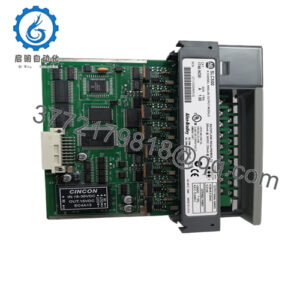
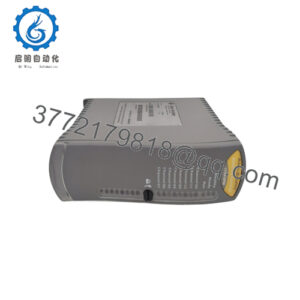
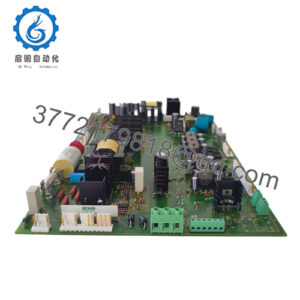
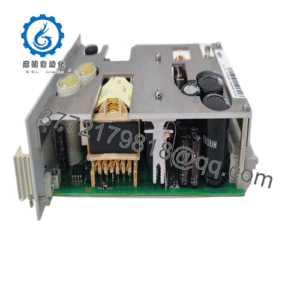
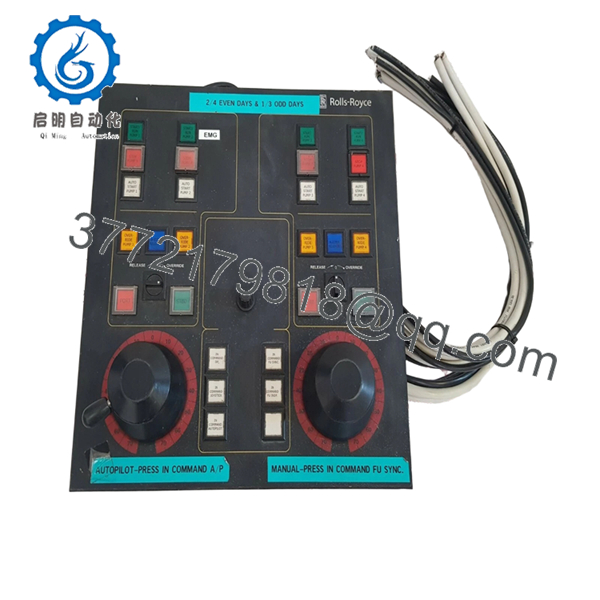
The Rolls-Royce CU40-0106-50 is a complete steering gear control panel used in Tenfjord marine systems. It integrates multiple control boards (PC1021/1022/1023) to manage rudder actuation, feedback processing, and command execution—making it a central node in vessel maneuvering systems.
This product is a Brand New Surplus unit. It is not used, not pulled from a decommissioned vessel, and not refurbished. Market data shows only fragmented availability, primarily from secondary channels with inconsistent condition and short warranties.
From a TCO perspective, securing verified New Surplus inventory eliminates the high failure probability associated with aged marine electronics and protects against long lead time variability.

- CU40-0106-50
5. Installation & Configuration Guide
Stage 1: Pre-Installation (Prep & Safety)
- Execute lock-out/tag-out (LOTO) on steering system
- Isolate 24 V DC control supply and discharge circuits
- Apply ESD protection (multi-PCB assembly)
- Document full wiring and communication interfaces
- Record alarm logs and calibration data
Stage 2: Removal
- Disconnect all field wiring and internal connectors
- Remove panel mounting hardware
- Extract assembly evenly—avoid stress on internal PCB stack
- Inspect connectors for corrosion (salt exposure risk)
Stage 3: Installation (Clone & Seat)
- Verify exact model and internal board configuration
- Install unit securely in control cabinet
- Reconnect all internal and external interfaces
- Confirm grounding and shielding integrity
Stage 4: Power-On & Testing
- Restore 24 V DC supply
- Monitor startup diagnostics and alarm states
- Perform rudder movement test (port/starboard)
- Validate closed-loop feedback stability
6. Firmware/Software Versions & Upgrade Notes
- System firmware must match installed PCB set (PC1021/1022/1023 combination)
- Mismatched firmware can cause:
- Rudder positioning errors
- Communication faults between boards
- Avoid mixing different PCB revisions within the same assembly
- Do not perform firmware upgrades during emergency replacement
- Always archive configuration and calibration parameters before swap
7. Frequently Asked Questions (FAQ)
Q1: Are complete CU40-0106-50 assemblies really available as new?
Yes, but extremely limited. Most market listings are used units with unknown service history. Verified New Surplus units are rare and should be secured immediately.
Q2: Why avoid used assemblies for this unit?
Field data shows these assemblies contain multiple aging PCBs. A failure in any single board can disable steering control. Used units often fail due to capacitor degradation and marine corrosion exposure.
Q3: Is this unit still in production?
No. It is part of a legacy Tenfjord system and is classified as obsolete with no ongoing OEM production.
Q4: What is the operational risk if it fails?
This is an A-class critical spare. Failure can result in:
- Loss of steering control
- Emergency manual override
- Vessel downtime or safety incident
Q5: What stocking strategy do you recommend?
- Minimum: 1 unit per vessel (insurance policy)
- Fleet operators: 2–3 units with cross-site sharing
- Maintain buffer stock due to extreme lead time variability
Q6: Can this system be repaired instead of replaced?
Component-level repair is possible but not reliable long-term. Mixed board aging leads to recurring failures—replacement with New Surplus is the lower-risk strategy.