 WhatsApp: +86 16626708626
 Email:
  Phone: +86 16626708626
Description
Key Technical Specifications
| Parameter | Value |
| Processor Type | HCX-TT Series RISC Architecture |
| Supply Voltage | 24 V DC (Isolated) |
| Power Consumption | 15 W Typical |
| Communication Ports | Dual Ethernet |
| Mounting | Sub-rack or DIN-rail specialized housing |
| Operating Temp | -15 °C to +55 °C (Class B Marine) |
| Diagnostics | LED Status for Power, Run, Error, and Network |
| Memory Type | Non-volatile Flash for Application Logic |
| Approval | DNV-GL, ABS, Lloyd’s Register |
Product Introduction & Supply Chain Strategy
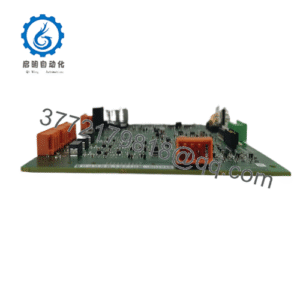
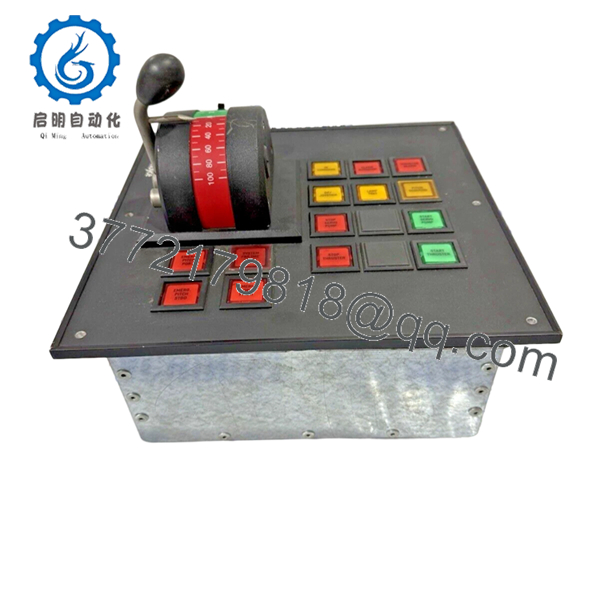
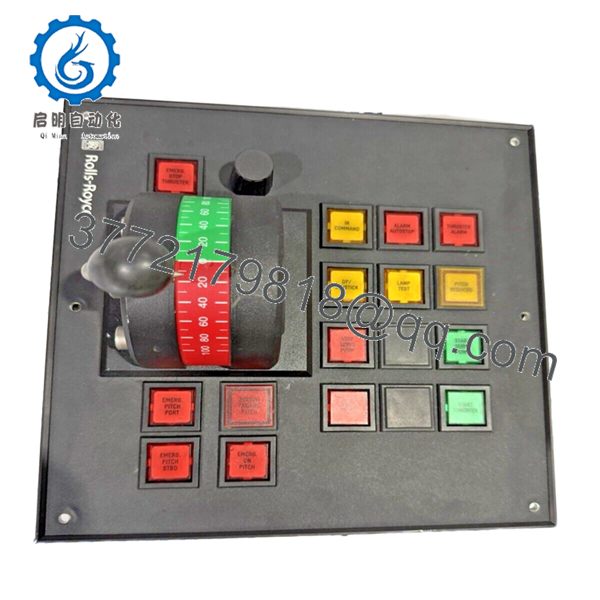
The Rolls-Royce PIC1030C is a cornerstone of the Ulstein HCX-TT control architecture, widely deployed in vessel automation for thruster management, power management systems (PMS), and general alarm monitoring. As a “hardened” marine controller, it is designed to withstand the vibration and electromagnetic interference (EMI) typical of engine rooms and bridge consoles. This module handles the real-time logic execution required for safe vessel maneuvering and station keeping.
From a supply chain perspective, the PIC1030C has transitioned into a legacy phase. Procuring “New Surplus” units is now the only viable way to maintain system integrity without performing a multi-million dollar full-system refit. By securing genuine new hardware, you eliminate the catastrophic risk of using refurbished boards that may have salt-air corrosion or degraded solder joints—common failure points that lead to expensive DP (Dynamic Positioning) incidents or port-state detention.

- PIC1030C
Installation & Configuration Guide
Stage 1: Pre-Installation (Prep & Safety)
Ensure the ship’s automation bus is in a “Manual” or “Local” override state if the engine is running. Disconnect the 24 V power supply to the specific sub-rack. Mandatory: Wear an ESD wrist strap; these processor boards are highly sensitive to static discharge. Record the hardware address (DIP switch settings) of the failed module.
Stage 2: Removal
Unlock the retaining screws or clips on the top and bottom of the module. Gently pull the module straight out of the backplane using the extraction handles. Do not rock the board, as this can damage the high-density pin connectors on the rear.
Stage 3: Installation (Clone & Seat)
Verify that the DIP switches on the new PIC1030C are set to the exact same configuration as the old unit to ensure correct node addressing. Slide the module into the rack, ensuring it is properly aligned with the guide rails, and press firmly until the backplane connectors seat completely.
Stage 4: Power-On & Testing
Apply power and monitor the LED sequence. A successful boot is usually indicated by a green “RUN” or “OK” LED. Connect your service laptop to the diagnostic port to verify that the application software is loading. Test communication handshakes with the remote I/O stations before returning the system to “Auto.”
Firmware/Software Versions & Upgrade Notes
The PIC1030C relies on application-specific software tailored to your vessel’s configuration. It is critical to ensure that the firmware version on the new board is compatible with your existing project files. If the new module contains a newer firmware version (e.g., V4.x) while your ship runs V3.x, you may experience database synchronization errors. We recommend keeping a backup of your project software on a dedicated “clean” laptop for field-loading if the module arrives with factory-default settings.
Frequently Asked Questions (FAQ)
- Is this an original Ulstein / Rolls-Royce part?
Yes. This is a genuine Rolls-Royce Marine (Ulstein) component. It is not a third-party clone or a repaired unit.
- Can this module be used in Dynamic Positioning (DP) systems?
Yes, provided the firmware and application logic are correctly loaded to match your vessel’s DP class requirements.
- Why should I avoid refurbished PIC1030C boards?
In marine environments, “refurbished” often means the board was cleaned after being pulled from a decommissioned vessel. Hidden internal corrosion (electrolysis) can cause the processor to crash under high-vibration conditions, which is unacceptable for propulsion control.
- Does it come with the application software pre-loaded?
Surplus hardware typically ships with factory-default firmware. You will need to upload your vessel’s specific “Project Logic” from your onboard backup system or through a certified service engineer.
- What is the typical lead time for this part?
Since this is in-stock “New Surplus,” we can usually ship within 24–48 hours, significantly faster than the months-long lead times often quoted for legacy marine electronics.
- What is the warranty period?
We offer a 1-year warranty on all New Surplus PIC1030C modules, covering any functional defects.