 WhatsApp: +86 16626708626
 Email:
  Phone: +86 16626708626
Description
3. Key Technical Specifications
| Parameter | Value |
| Input Voltage | 24 V DC (Nominal) |
| Power Consumption | Approx. 15 W |
| Communication Interface | CAN-Bus / RS-422 / Ethernet |
| Processor Type | 32-Bit Embedded Microcontroller |
| Operating Temperature | -15 °C to +70 °C |
| Storage Temperature | -40 °C to +85 °C |
| Mounting | Standard 35 mm DIN Rail |
| Protection Class | IP20 |
| Housing Material | Aluminum / Reinforced Polycarbonate |
| Indicator LEDs | Power, Run, Error, Com Activity |
4. Product Introduction & Supply Chain Strategy
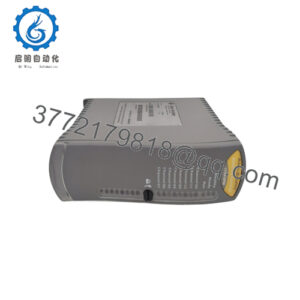
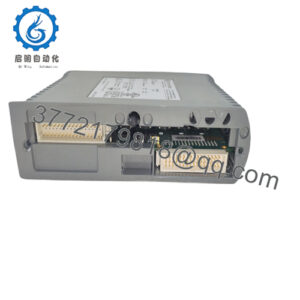
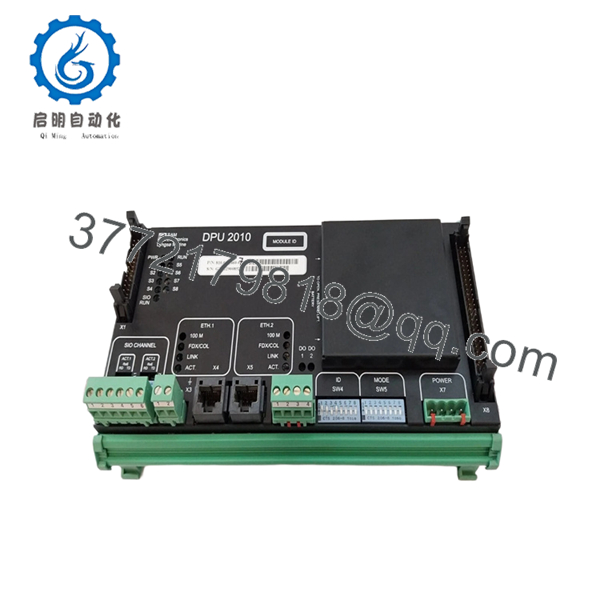
The SAM Electronics DPU 2010 serves as a primary data processing node within marine alarm, monitoring, and control systems. It aggregates sensor data and executes localized logic for propulsion, power management, and bridge navigation systems. Its ability to handle real-time I/O tasks makes it a cornerstone for vessels utilizing Geamar or NACOS integrated automation.
From a Total Cost of Ownership (TCO) perspective, securing a New Surplus DPU 2010 is a strategic insurance policy against unplanned downtime. These modules are often subject to manufacturer discontinuations. Relying on refurbished units introduces the risk of electrolyte leakage or firmware corruption. Investing in New Surplus inventory ensures OEM-level reliability and extends the operational life of the vessel’s automation suite without the prohibitive costs of a full system refit.

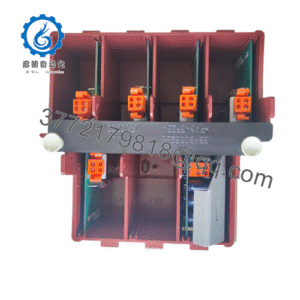
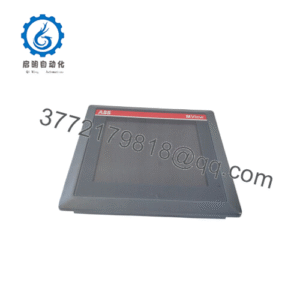
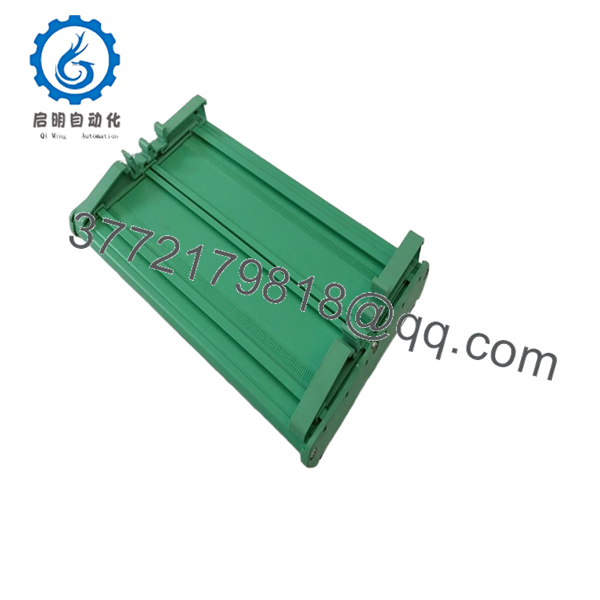
- DPU 2010
- DPU 2010
5. Installation & Configuration Guide
Stage 1: Pre-Installation (Prep & Safety)
Ensure the system is powered down and follow standard lock-out/tag-out procedures. Use a grounded ESD wrist strap to prevent static discharge. Before removal, document all cable labels and take a high-resolution photo of any DIP switch settings or jumper positions on the existing unit.
Stage 2: Removal
Carefully disconnect all terminal blocks. Use a flat-head screwdriver to release the DIN rail tension clip at the bottom of the module. Pull the unit straight forward to avoid lateral stress on adjacent modules or the backplane connectors.
Stage 3: Installation (Clone & Seat)
Verify the DPU 2010 replacement is in New Surplus condition with no debris in the ports. Replicate the DIP switch positions from the old unit exactly. Snap the module onto the DIN rail until the locking clip clicks into place. Reconnect all terminal blocks firmly.
Stage 4: Power-On & Testing
Apply 24 V DC power. Observe the LED indicators: the Power LED should be steady, and the Run LED should blink or turn green once the boot sequence completes. Monitor the HMI (Human Machine Interface) for communication errors. If the system fails to recognize the node, verify the node address settings.
6. Firmware/Software Versions & Upgrade Notes
- Recommended Firmware: V3.42 (or latest stable release compatible with your Geamar version).
- Compatibility: The DPU 2010 is generally backward compatible with older DPU series, but communication protocols (Modbus vs. CAN) must be verified via the DIP switch configuration.
- Warning: Do not attempt a firmware flash while the vessel is underway. A failed flash can “brick” the module, rendering it unrecoverable without factory-level intervention. Always match the firmware of the replacement unit to the existing system baseline to avoid protocol timing mismatches.
7. Frequently Asked Questions (FAQ)
Is this DPU 2010 actually new?
Yes. This is a New Surplus unit. It has never been installed in a live marine environment or pulled from a decommissioned ship. It has been stored in a climate-controlled warehouse and underwent a full power-on self-test (POST) before being listed.
Why is the price higher than the units I see on auction sites?
Auction sites typically sell “pulled” or “as-is” parts with no history. Our DPU 2010 units are New Surplus, meaning they offer the full original component lifespan. The small premium you pay covers rigorous QC testing and the guarantee that you aren’t installing a part with 50,000 hours of heat-stress already on its capacitors.
Can I hot-swap this module while the automation system is live?
We do not recommend hot-swapping the DPU 2010. While some marine modules claim hot-swap capability, voltage spikes during insertion can trigger “bus-off” errors on the communication line, potentially crashing other healthy nodes in the system.
Does the DPU 2010 require external programming?
The module typically loads its application logic from the central controller or an onboard flash card upon boot. However, you must set the correct hardware address via the physical DIP switches for the central system to recognize it.
What is the warranty on this item?
We provide a 1-year warranty on all New Surplus SAM Electronics modules. This is significantly better than the 30-day “functional” warranty typical of refurbished parts, reflecting our confidence in the unit’s original factory condition.