WhatsApp: +86 16626708626
 Email:
  Phone: +86 16626708626
Description
3. Key Technical Specifications
| Parameter | Value |
|---|---|
| Part Number | SAM401 / SAM 401 |
| Manufacturer | Lyngso Marine A/S / SAM Electronics |
| Product Type | Dual System Bus Module |
| Primary Function | Redundant dual-bus communication interface |
| Typical Part References | 962.002.600 (Lyngso), 271.149.322 (SAM) |
| Application | Marine vessel control, engine automation, alarm & monitoring systems |
| Architecture | Dual system bus for redundancy |
| Environment | Marine / offshore |
| Form Factor | Plug-in / module |
| Serviceability | Commonly repaired or refurbished |
4. Product Introduction
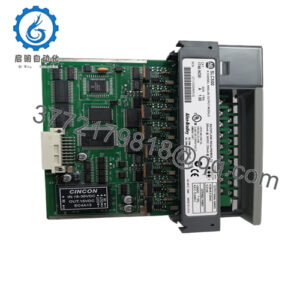
The Lyngso Marine / SAM Electronics SAM401 is a dual system bus module designed for marine automation systems. It provides redundant dual-bus connectivity to ensure reliable, fault-tolerant data exchange between critical subsystems such as engine control units, sensors, alarm systems, and bridge instrumentation.
Engineered for shipboard and offshore environments, the module reduces the risk of single-point failures in mission-critical networks. It is a key component in maintaining continuous operation of vessel automation and monitoring systems. Because these modules are specialized and long-lifecycle items, units are frequently repaired, refurbished, or sourced as surplus.
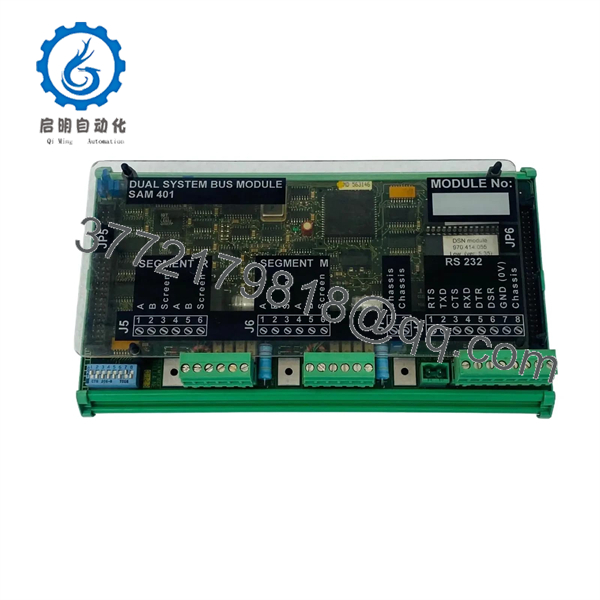
SAM401
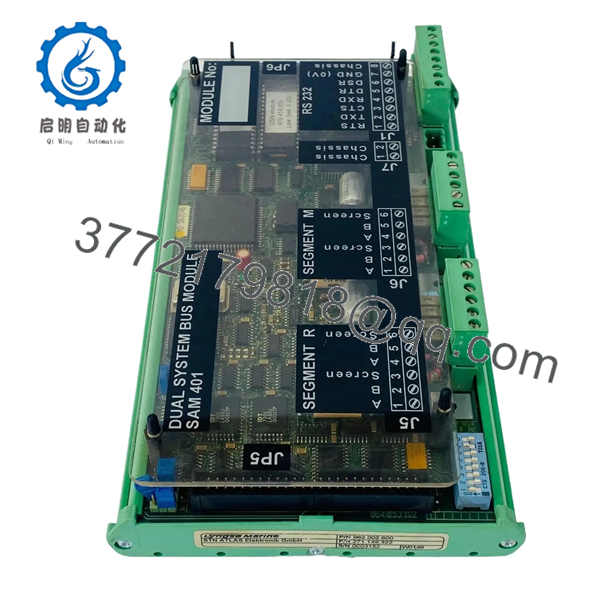
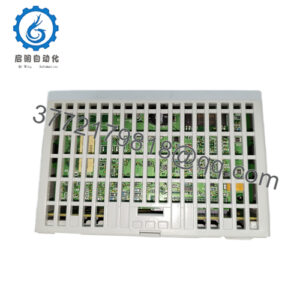
SAM401
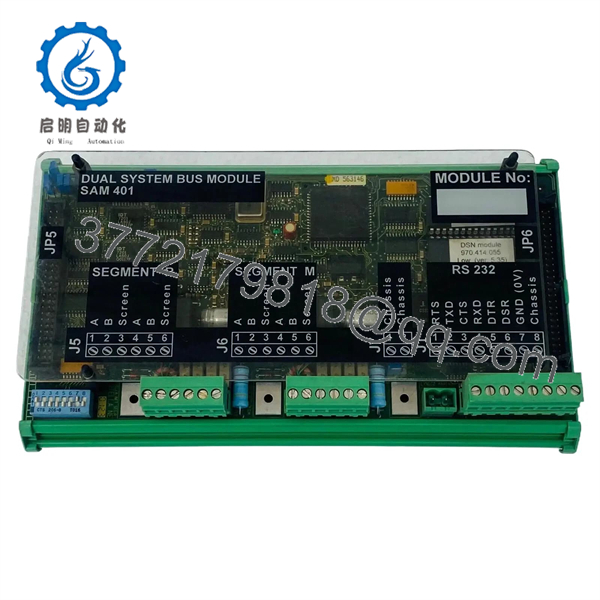
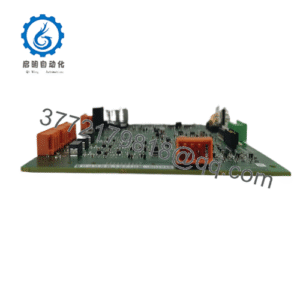
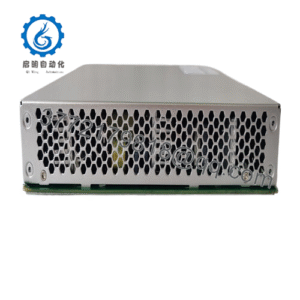
SAM401
5. Troubleshooting Quick Reference
| Symptom | Possible Cause | Relevance to this Part | Quick Check Method | Recommendation |
|---|---|---|---|---|
| Loss of bus communication | Module failure or bus fault | ✅ High | Check status indicators and bus continuity | Verify power and cabling; test/replace module |
| Single bus active only | One channel failed or configuration issue | ✅ High | Monitor both bus channels independently | Inspect redundancy status; repair or replace |
| Intermittent data dropouts | Poor connections or internal fault | ✅ High | Reseat module and check connectors for corrosion | Clean contacts; test under load |
| Module not recognized by system | Power or interface failure | ✅ Medium | Measure supply voltage and control signals | Confirm power feed; replace if unresponsive |
| System alarms related to bus | Redundancy loss or signal integrity issue | ✅ Medium | Review system diagnostics and bus health | Isolate module; verify with known-good unit |
| Physical damage or corrosion | Marine environment exposure | ✅ High | Visual inspection of board and connectors | Clean or replace; improve environmental protection |
If the module fails basic bus communication or redundancy tests under known-good system conditions, photograph the labels, connectors, and any visible damage, then contact support with the vessel system details and symptoms.
6. Frequently Asked Questions (FAQ)
Q: What does the SAM401 do?
A: It is a dual system bus module that provides redundant communication pathways between marine automation subsystems, improving reliability and reducing single-point failure risk.
Q: Is the SAM401 still in production?
A: New OEM availability is limited. Most units on the secondary market are new surplus, used, or refurbished. Professional repair is a common option.
Q: What systems is it compatible with?
A: It is designed for Lyngso Marine / SAM Electronics marine automation platforms, typically interfacing with engine control, alarm, monitoring, and bridge systems.
Q: Why is dual bus architecture important?
A: Redundancy allows the system to continue operating if one bus channel fails, which is critical for shipboard safety and continuous monitoring.
Q: What should I check before replacing the module?
A: Verify power supply, inspect connectors for corrosion (common in marine environments), confirm bus cabling integrity, and determine whether the fault follows the module.
Q: Why are these modules often repaired instead of replaced?
A: They are specialized, relatively low-volume marine components. Board-level or component-level repair is typically more cost-effective and faster than sourcing a new OEM unit.
Q: What information should I provide when ordering or sending for repair?
A: Vessel or system type, photos of the existing module labels, description of symptoms (bus loss, redundancy failure, etc.), and any related error codes or logs.