WhatsApp: +86 16626708626
 Email:
  Phone: +86 16626708626
Description
Key Technical Specifications
| Parameter | Specification |
| Manufacturer | Schneider Electric / Modicon |
| Part Number | 140DAO84000 |
| Product Series | Modicon Quantum |
| Output Channels | 16 points (isolated in 4 groups of 4 points) |
| Operating Voltage Range | 85 V AC to 132 V AC (47 to 63 Hz) |
| Maximum Current per Point | 2 A at 30 °C (derated to 1 A at 60 °C) |
| Maximum Current per Module | 8 A total continuous |
| Response Time | Off to On: < 1 ms |
| Off-State Leakage Current | < 2 mA at 120 V AC |
| Backplane Current Load | 350 mA at 5.1 V DC |
| Isolation Voltage | 1,780 V AC channel-to-bus for 1 minute |
| Operating Temperature | 0 to 60 °C (32 to 140 °F) |
Product Introduction & Supply Chain Strategy
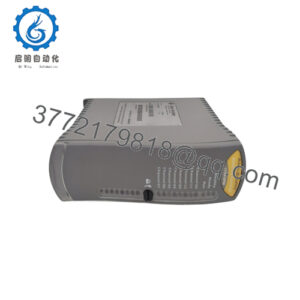
The Modicon 140DAO84000 is a 16-channel 120 V AC discrete output module designed for the Modicon Quantum backplane. Organized into four isolated groups of four outputs each, it controls medium-power AC field devices including solenoid valves, motor starters, indicator lamps, and control relays across process manufacturing environments.
With Schneider Electric having fully retired the Quantum PLC family, procuring this module as New Surplus is a critical component of strategic inventory planning. Discrete output cards directly drive final control elements, making them vulnerable to field line surges. Stocking 1–2 factory-sealed 140DAO84000 units on-site eliminates long supply-chain lead times, avoids degradation risks common in refurbished triac outputs, and lowers your Total Cost of Ownership (TCO).
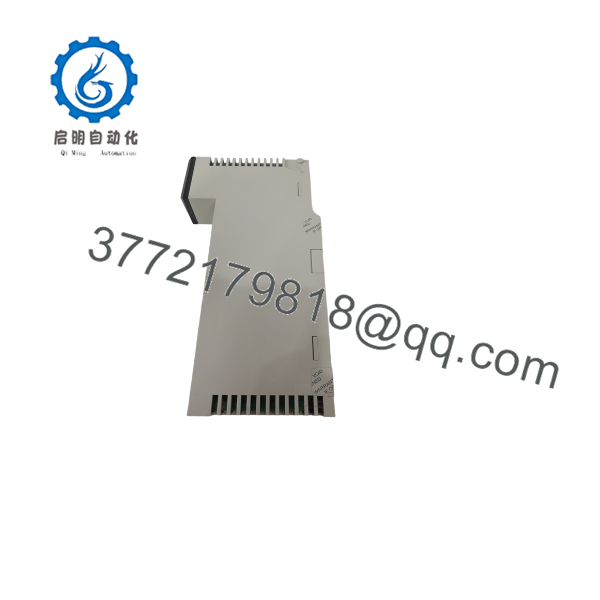
140DAO84000
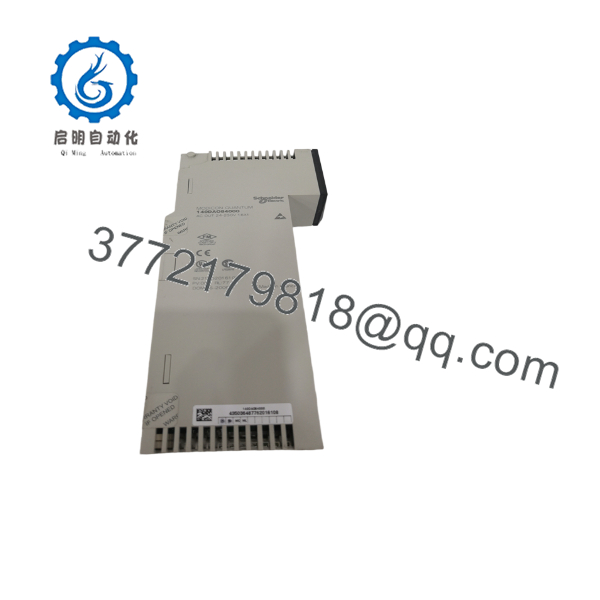
140DAO84000
Installation & Configuration Guide
Stage 1: Pre-Installation (Prep & Safety)
Execute strict Lock-Out/Tag-Out (LOTO) procedures on both the Quantum backplane power supply and the external 120 V AC field power buses. Put on a grounded anti-static wrist strap before touching electronic modules. Take a high-resolution photograph of the existing field terminal block wiring to ensure precise terminal restoration.
Stage 2: Removal
Disconnect the field terminal block arm from the front of the card by depressing the top and bottom release latches. Depress the upper and lower module retention clips on the Quantum slot. Slide the old 140DAO84000 card straight out from the backplane guide rails, ensuring no lateral pressure is applied to backplane pins.
Stage 3: Installation (Clone & Seat)
Inspect the rear backplane interface connector on the new 140DAO84000 card for transport debris or bent pins. Align the module with the guide rails in the targeted rack slot. Slide the card in firmly until both retention latches snap into place. Re-attach the pre-wired field terminal block assembly.
Stage 4: Power-On & Testing
Verify that field fuse protection and external 120 V AC bus voltages are within specification (85 to 132 V AC) before energizing. Turn on system power and observe the front diagnostic panel: the READY LED should illuminate solid green. Force individual output points using EcoStruxure Control Expert (Unity Pro) software and verify corresponding channel LED activation and field load switching.
Firmware/Software Versions & Upgrade Notes
- Software Compatibility: Fully supported in EcoStruxure Control Expert (formerly Unity Pro), Concept V2.1+, and ProWORX 32 through standard Quantum I/O rack mapping.
- Hardware Addressing: Configured as a standard 16-bit output word (%Q address) in the controller memory allocation table.
- Inductive Load Caution: When switching high-inductance field loads (such as large AC solenoids or contactors), external RC snubbers or MOV surge suppressors should be installed across the load terminals. Back-EMF voltage spikes can damage solid-state triacs, leading to shorted “always-ON” output failures.
Frequently Asked Questions (FAQ)
Is this 140DAO84000 output card guaranteed to be New Surplus and unused?
Yes, this module is guaranteed 100% New Original / New Surplus. Sourced from corporate spare parts reserves and authorized inventory channels, it has never been deployed in an active production facility, pulled from decommissioned panels, or subjected to solder repairs.
Why shouldn’t I purchase a cheaper refurbished AC output card?
AC output cards use solid-state triacs and optocouplers that experience electrical and thermal stress under continuous operation. Refurbished or used cards often suffer from degraded optocouplers or high leakage current, causing field loads to chatter or stay energized when turned OFF. Buying New Surplus ensures factory-grade insulation, low off-state leakage, and maximum operating life.
What causes an output point on the 140DAO84000 to remain stuck “ON”?
Solid-state triacs used in AC output cards typically fail in a short-circuit state when subjected to overcurrent or high-voltage inductive transients. If an output point remains turned ON despite the PLC logic driving it OFF, the output channel’s internal triac has been damaged by a field voltage spike or overcurrent condition.
Can I mix different AC field voltage sources across the four channel groups?
Yes, the 16 channels on the 140DAO84000 are divided into four isolated groups of four points each. Each group has its own isolated power common, allowing you to run separate 120 V AC supply circuits or phases across different point groups without cross-circuit interference.
What warranty comes with this New Surplus discrete module?
All New Surplus 140DAO84000 modules include a full 1-year replacement warranty. Every card passes complete physical pin inspection and electrical bench checks prior to dispatch in protective ESD packaging.