WhatsApp: +86 16626708626
 Email:
  Phone: +86 16626708626
Description
Key Technical Specifications
- Manufacturer: SEW-EURODRIVE
- Part Number: 31C015-503-4-00
- Alternative Number: 31C015503400
- Associated Material Number: 8263337; verify the installed label before ordering
- Product Family: MOVITRAC 31C
- Product Type: AC frequency inverter / VFD
- Input Supply: Three-phase 380–500 V AC, 50/60 Hz
- Input Current: 3.5 A
- Recommended Motor Power: 1.5 kW
- Output Apparent Power: 2.8 kVA
- Rated Output Current: 4.0 A
- Output Frequency Range: 0–400 Hz
- Braking Function: Four-quadrant operation with braking capability; confirm installed braking resistor and DC-bus configuration before use
- Manufacturer Status: Discontinued / legacy drive platform
SEW’s MOVITRAC 31 documentation lists 31C015-503-4-00 in the 31C series. Independent industrial listings report a three-phase 380–500 V AC input, 3.5 A input current, 4 A output current, 2.8 kVA output, a 1.5 kW recommended motor rating, and a 0–400 Hz output range. Do not use generic listings that identify this part as a gearmotor; the exact model is a MOVITRAC frequency inverter.
Product Introduction
The SEW-EURODRIVE 31C015-503-4-00 is a MOVITRAC 31C variable frequency drive for regulating the speed and torque of a three-phase AC motor. It is typically installed in conveyors, pumps, fans, mixers, packaging equipment, and machinery using legacy SEW drive control architecture. Its rated application is a 1.5 kW motor on a 380–500 V AC three-phase supply.
The 31C015-503-4-00 is often required when a plant needs an exact replacement without rewiring the motor circuit, changing operator controls, or redesigning the panel. Confirm the software parameter set, motor nameplate current, supply voltage, braking resistor arrangement, control-terminal wiring, and installed option cards before ordering.
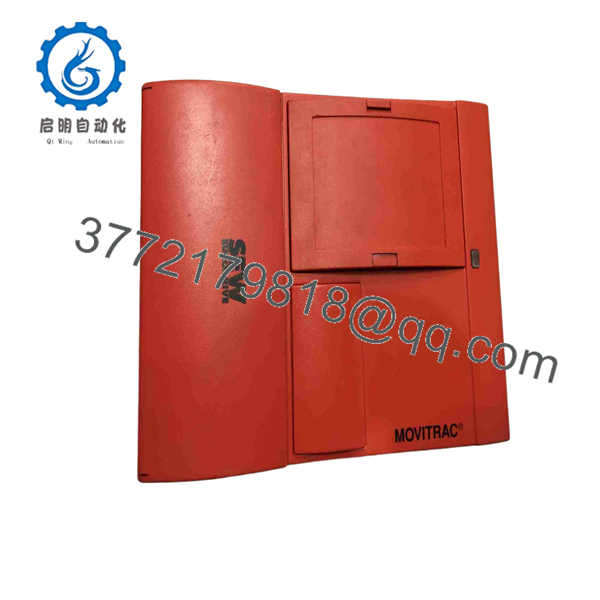
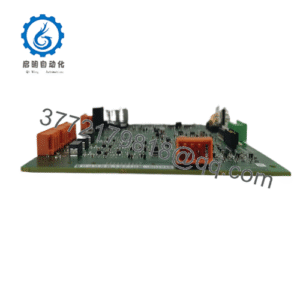
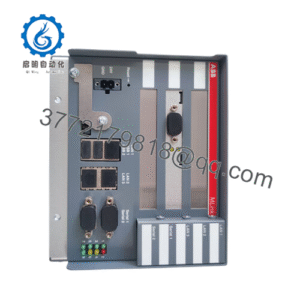
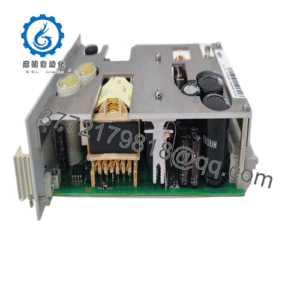
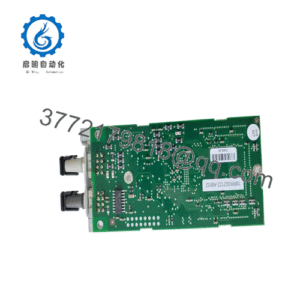
31C015-503-4-00
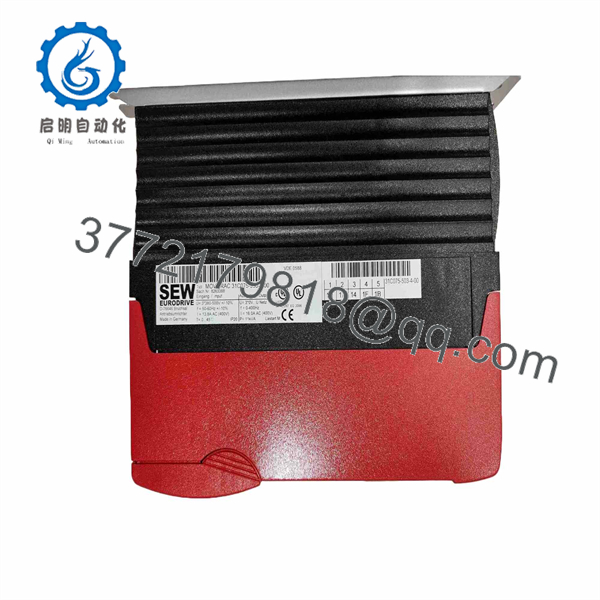
31C015-503-4-00
Troubleshooting Quick Reference
| Symptom | Possible Cause | Relevance to This Part | Quick Check Method | Recommendation |
|---|---|---|---|---|
| No display or LEDs at power-up | Missing input supply, open upstream fuse, loose terminals, failed rectifier/power supply section | ⚠️ Medium | Measure phase-to-phase voltage at the drive input terminals with a properly rated meter; verify all three phases and upstream fuses | Confirm 380–500 V AC input and correct phase supply before replacing the VFD |
| Drive powers up but motor will not run | Enable signal absent, external fault input active, speed reference missing, incorrect terminal parameters | ❌ Low | Check run-permit and enable inputs against the terminal diagram; monitor reference value and output frequency in diagnostics | Verify control wiring and parameters before assuming the drive has failed |
| Drive faults on overcurrent at acceleration | Ramp too short, load jam, motor-cable short, motor winding fault, incorrect motor data | ⚠️ Medium | Increase acceleration time temporarily; disconnect the load where safe and compare motor current with nameplate data | Inspect mechanics and motor insulation first. Do not simply increase current limits |
| Drive faults immediately when run command is issued | Output transistor fault, motor cable short, phase-to-ground fault, incorrect motor connection | ✅ High | With power isolated, measure motor-cable phase-to-phase balance and phase-to-ground insulation using an OEM-approved method; test drive with motor disconnected only if the SEW procedure permits | Determine whether the fault follows the drive or the motor/cable before replacement |
| Motor runs but lacks torque | Incorrect V/f settings, motor wired incorrectly, torque limit active, low incoming voltage, mechanical overload | ⚠️ Medium | Compare motor connection and nameplate voltage with drive parameters; measure input voltage under load and review torque/current limit settings | Restore validated parameters and check mechanical load before replacing the inverter |
| Motor overheats at low speed | Insufficient motor cooling, excessive low-speed torque demand, wrong V/f curve, incorrect motor current setting | ❌ Low | Compare actual motor current with nameplate current; inspect motor fan and process load at low speed | Add external cooling or adjust duty cycle. The VFD may be operating normally |
| DC-bus overvoltage during deceleration | Deceleration time too short, braking resistor open/disconnected, excessive regenerative load | ❌ Low | Increase deceleration time; inspect braking-resistor wiring and measure resistor continuity with power off | Correct braking design before replacing the drive |
| Drive overheats or trips thermal fault | Blocked heatsink, failed fan, high ambient temperature, undersized enclosure, overload | ⚠️ Medium | Inspect cooling path and fan operation; measure enclosure temperature and output current during normal duty | Clean the heatsink and correct ventilation. Confirm 4 A output is not exceeded |
| Drive parameters lost or behavior changes after replacement | Wrong parameter set, factory reset, incompatible firmware, missing option configuration | ✅ High | Back up and compare every parameter group from the old drive; document motor data, acceleration, deceleration, I/O assignments, and serial communications settings | Load only a verified parameter backup and validate rotation at low speed before production |
| Replacement drive does not fit or terminal layout differs | Revision mismatch, wrong housing version, missing option board, changed control interface | ✅ High | Compare front panel, terminal labels, mounting dimensions, heatsink orientation, and option-card locations with the removed unit | Do not force a substitute. Obtain the exact 31C015-503-4-00 configuration or an engineered retrofit plan |
❗ Before removing the old drive, save or manually record the entire parameter set. Photograph the input/output terminals, control terminals, motor nameplate, braking resistor, grounding points, and any option cards. I have seen a replacement drive blamed for a failed start when the real problem was a missing two-wire run-enable parameter after a factory-default reset.
If the fault remains unresolved, provide technical support with the exact fault code, the motor nameplate, line voltage readings, parameter backup, output-current trend, photos of all terminal wiring, and a record of whether the fault occurs with the motor cable disconnected.
Frequently Asked Questions
What is the SEW-EURODRIVE 31C015-503-4-00?
The SEW-EURODRIVE 31C015-503-4-00 is a MOVITRAC 31C AC frequency inverter, also called a variable frequency drive or VFD. It controls three-phase motor speed and torque from a 380–500 V AC three-phase supply. Available references identify it with a 1.5 kW recommended motor rating, 4.0 A output current, 2.8 kVA output, and 0–400 Hz output frequency.
Can I use this drive on a 230 V AC supply?
No. This model is identified for three-phase 380–500 V AC input. Do not connect it to a 200–240 V AC supply. Undervoltage faults, failure to run, or equipment damage can result. Check the drive nameplate and your plant supply voltage before ordering or energizing the unit.
Is the 31C015-503-4-00 suitable for a 1.5 kW motor?
Yes, available SEW and industrial references identify 1.5 kW as the recommended motor rating. Still, size the drive from the motor nameplate current and actual duty cycle, not motor kilowatts alone. High-inertia loads, rapid acceleration, frequent starts, high ambient temperature, and constant-torque applications can require a larger drive or derating.
Can I replace this drive with another MOVITRAC model?
Not as a direct plug-in swap unless the replacement has been checked for supply class, continuous output current, overload duty, physical mounting, braking arrangement, control-terminal functions, communication options, motor feedback requirements, and software compatibility. The MOVITRAC 31C is a legacy family. A current SEW replacement may require a new parameter set, wiring changes, programming changes, and updated safety-circuit design.
Can I hot-swap the 31C015-503-4-00?
No. Isolate the incoming supply under lockout/tagout, wait for the DC bus to discharge for the interval stated on the drive label or service documentation, then verify the DC bus is safe before handling terminals. A VFD can retain hazardous voltage after input power is removed. Do not rely on extinguished LEDs alone.
Will I lose the machine programming during a drive replacement?
The PLC program normally remains stored in the PLC, but the VFD operating parameters may not transfer automatically. Record or back up motor data, minimum and maximum frequency, acceleration and deceleration times, I/O assignments, control source, current limit, fault-reset behavior, analog scaling, braking settings, and communications parameters. Then test motor direction, current, speed command response, and safety interlocks at low speed.
Why is this model obsolete, and what does that mean for stock?
The MOVITRAC 31C015-503-4-00 is listed as discontinued by the manufacturer. That means available units are generally New Surplus, used stock, or Refurbished (tested) inventory. Supply and revision matching can be limited, so verify physical inventory, condition, full part number, date code, firmware/option-card details, lead time, and warranty before issuing a purchase order.
What testing should I require from a supplier?
For New Original / New Surplus inventory, request exact-label photographs, source-traceability review, inspection for corrosion or rework marks, terminal-condition photos, DC-bus capacitor condition screening where storage age is significant, and ESD-safe, shock-protected packaging.
For Refurbished stock, request a documented test using a correct 380–500 V AC three-phase supply. The test should verify power-up, display and keypad operation, run/stop control inputs, analog reference scaling, output-voltage balance, operation into a representative motor or load, output-current measurement, fault detection, cooling-fan operation, braking-circuit checks where fitted, and an extended thermal run. Request the complete test report, photos, and test video before shipment.