 WhatsApp: +86 16626708626
 Email:
  Phone: +86 16626708626
Description
Key Technical Specifications
| Parameter | Value |
| Compatible Sensors | Shinkawa Eddy Current Proximity Probes |
| Measurement Range | Typically 2 mm (Depending on probe pairing) |
| Output Signal | -2 V to -18 V DC (Standard Voltage Output) |
| Power Supply | -24 V DC (±5%) |
| Linearity Error | < ±1.0% of full scale |
| Frequency Response | DC to 10 kHz (-3 dB) |
| Operating Temperature | -10°C to +70°C |
| Housing Material | Aluminum/Polycarbonate (IP20 rated) |
| Mounting | Standard 35 mm DIN rail or bolt-down |
Product Introduction & Supply Chain Strategy
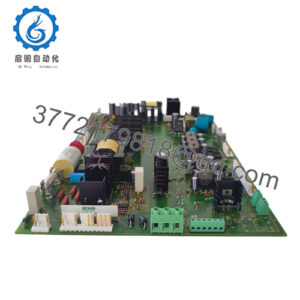
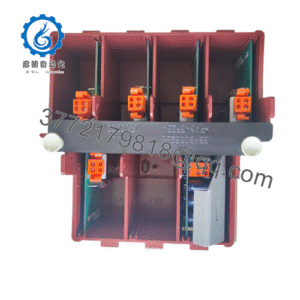
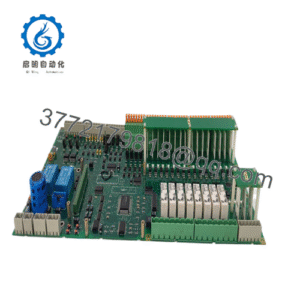
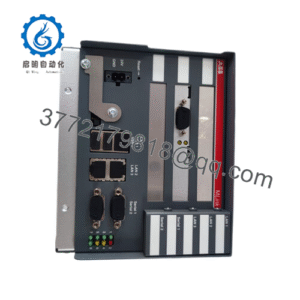
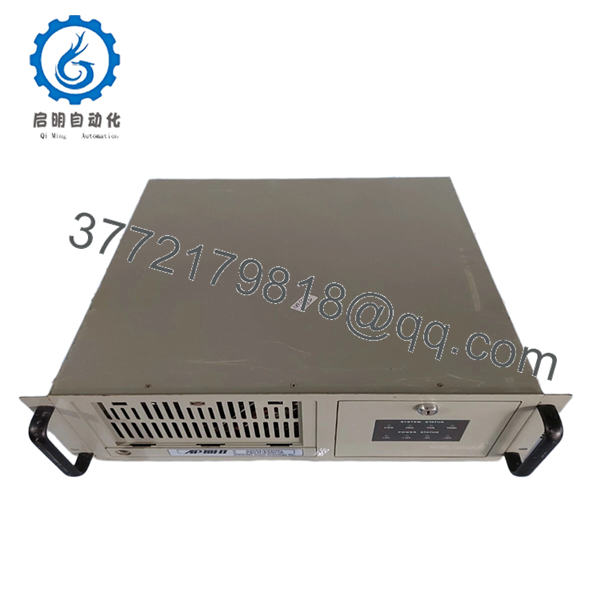
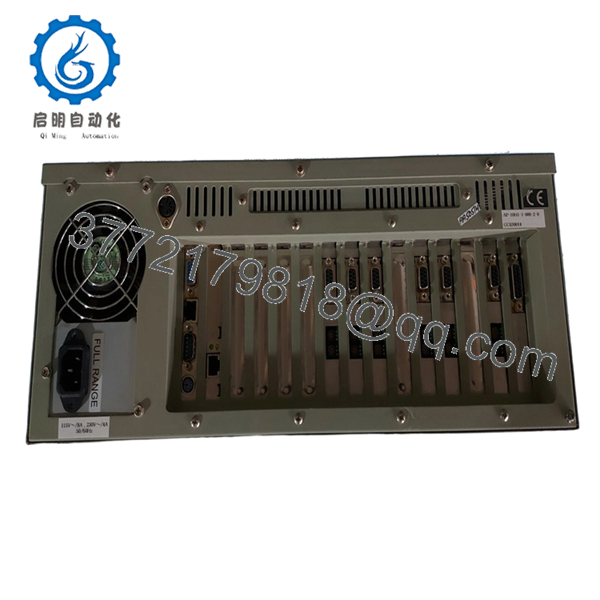
The Shinkawa AP-10H1 is a high-precision preamplifier designed to work in tandem with eddy current proximity probes to measure shaft vibration, axial position, and speed in rotating machinery such as turbines, compressors, and pumps. By converting the high-frequency electromagnetic impedance changes from the probe into a stable, linear voltage signal, the AP-10H1 enables real-time monitoring of critical mechanical tolerances.
In a heavy industrial environment, the AP-10H1 is considered an “Insurance Policy” spare. Procuring this as New Surplus is a strategic mandate because vibration monitoring equipment must be 100% reliable to prevent false trips or, worse, missed vibration spikes that lead to catastrophic bearing failure. Unlike refurbished drivers, which may have drifted in calibration due to component aging (capacitance loss), our New Surplus units offer the original OEM calibration curves. This ensures that your protection system responds exactly as the machine manufacturer intended, maintaining a lower TCO by avoiding the massive costs of emergency downtime and mechanical overhaul.
Installation & Configuration Guide
Stage 1: Pre-Installation (Prep & Safety)
Ensure the monitoring rack or control cabinet is powered down. Use a grounded ESD wrist strap. Review the calibration sheet provided with the AP-10H1 to verify it is matched to the specific probe length (e.g., 5m or 9m system) currently installed on the machine.
Stage 2: Removal
Disconnect the coaxial extension cable from the “PROBE” port and the signal/power wires from the terminal block. Release the DIN-rail locking clip or remove the mounting screws. Carefully pull the unit away from the mounting surface.
Stage 3: Installation (Clone & Seat)
Mount the new AP-10H1 onto the DIN rail. Reconnect the power and signal wires according to the wiring diagram (typically -24V, COM, and OUT). Connect the probe extension cable, ensuring the coaxial connector is tight and insulated from the ground to prevent signal noise.
Stage 4: Power-On & Testing
Apply -24V DC power. Measure the “Gap Voltage” at the output terminals while the machine is at rest. Adjust the probe physical position until the output voltage matches the “Center Gap” value specified in your machine’s manual (usually around -10 V DC). Verify that the signal is stable and free from oscillation.

- AP-10H1
- AP-10H1
Firmware/Software Versions & Upgrade Notes
As an analog signal conditioner, the AP-10H1 does not utilize digital firmware. However, calibration “matching” is the equivalent critical factor.
Note on System Length: The AP-10H1 is factory-tuned for a specific total electrical length (Probe + Extension Cable). If you replace an AP-10H1 tuned for a 5-meter system with one tuned for a 9-meter system, your vibration readings will be mathematically incorrect, potentially causing a “False Trip” or failing to trigger an “Alarm” during high vibration. Always check the side label for the system length configuration before installation.
Frequently Asked Questions (FAQ)
Why is New Surplus critical for Shinkawa preamplifiers?
Eddy current drivers rely on extremely tight tolerances in their internal oscillator circuits. Refurbished units often suffer from “component drift” due to heat exposure, leading to inaccurate vibration readings. New Surplus guarantees factory-spec accuracy.
Can I use the AP-10H1 with a probe from a different manufacturer?
It is highly discouraged. Shinkawa preamplifiers are calibrated to the specific metallurgical properties and impedance of Shinkawa probes. Using a different brand will result in non-linear output and unreliable data.
What happens if the “OK” LED (if equipped) on my monitor stays off after installation?
This usually indicates a “Field Wiring Fault.” Check for a short circuit in the coaxial cable or an incorrect gap distance between the probe tip and the shaft.
Does this unit require periodic recalibration?
While the AP-10H1 is highly stable, it is standard industry practice to verify the calibration curve every 12-24 months using a spindle micrometer (Static Calibrator) to ensure the voltage-to-micron ratio remains accurate.
Is this unit compatible with a +24V power supply?
No. Most Shinkawa vibration equipment operates on a negative voltage system (-24V DC). Connecting a positive +24V supply will damage the internal circuitry of the preamplifier.