WhatsApp: +86 16626708626
 Email:
  Phone: +86 16626708626
Description
Key Technical Specifications
| Parameter | Value |
|---|---|
| Model number | 3008 |
| Manufacturer | Triconex / Invensys |
| Product family | Tricon safety instrumented system |
| Module type | Main processor |
| System architecture | Triple Modular Redundancy (TMR) |
| Processor memory | 16 MB DRAM |
| Memory use | Control program, sequence-of-events data, I/O data, diagnostics, and communication buffers |
| System role | Executes safety, shutdown, and process-control logic |
| System communication | Tricon system interconnect; verify exact revision and chassis interface |
| Typical application | Emergency shutdown, process safety, burner, and critical plant control |
| Installation | Tricon chassis; verify chassis and processor revision |
| Product status | Discontinued or legacy stock; verify availability |
| Safety certification | Confirm exact hardware revision and project certification before claiming SIL suitability |
| Replacement compatibility | Must match Tricon system generation, firmware, chassis, and application requirements |
| Condition options | New surplus, used, or refurbished depending on inventory |
Available references identify the Triconex 3008 as a main processor with 16 MB of DRAM used for the control program, sequence-of-events data, I/O data, diagnostics, and communications buffers. Exact processor, memory, firmware, and certification details must be confirmed from the module label and OEM documentation.
Product Introduction
The Triconex 3008 is a main processor module for Tricon fault-tolerant safety systems. It executes the control and safety application while coordinating I/O, diagnostics, sequence-of-events data, and controller communications within the Tricon chassis. The module is intended for critical process applications such as emergency shutdown and process safety control.
Its TMR system architecture is designed to maintain control availability when a single processing channel or related component develops a fault. Because Tricon processor revisions are not automatically interchangeable, verify chassis generation, firmware, application compatibility, certification records, and system voting architecture before installation.
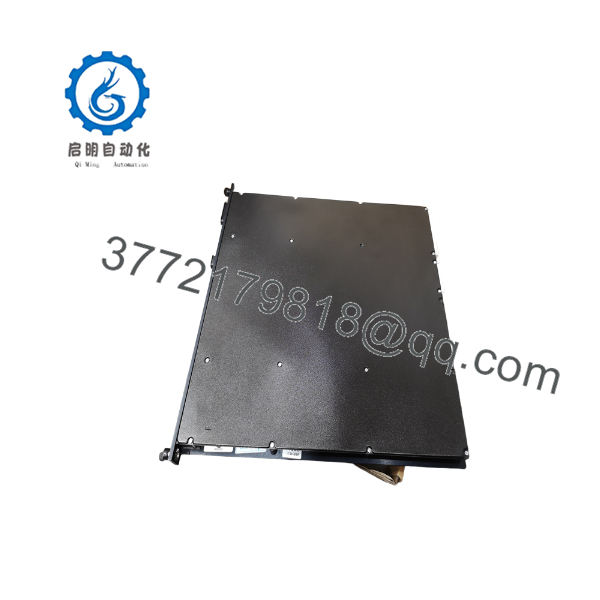
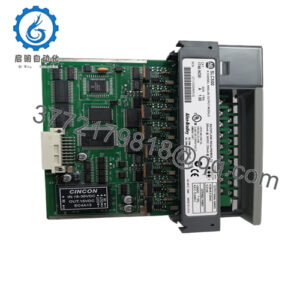
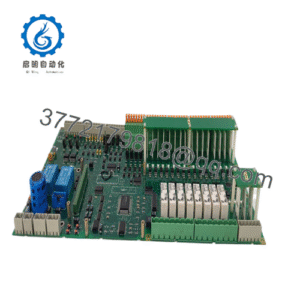
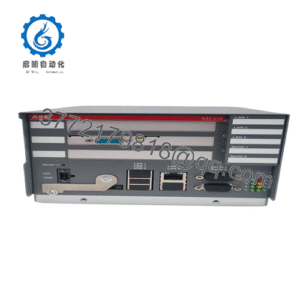
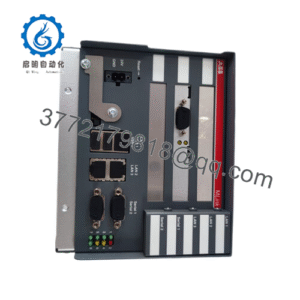
3008
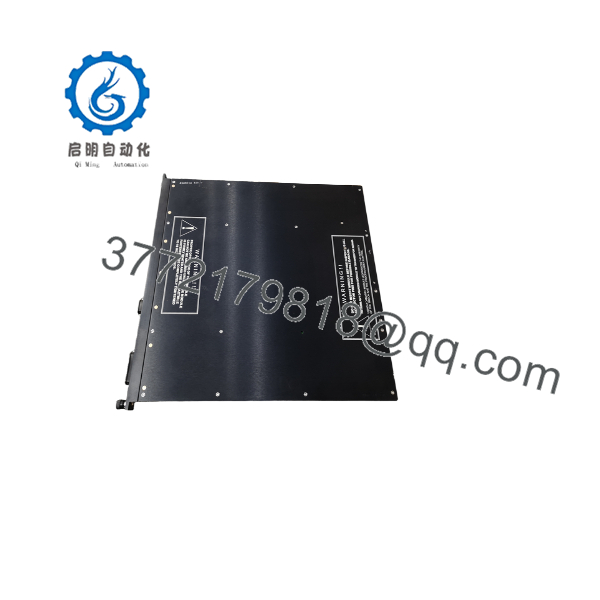
3008
Troubleshooting Quick Reference
| Symptom | Possible Cause | Relevance to This Part | Quick Check Method | Recommendation |
|---|---|---|---|---|
| Processor status is not healthy | Rack power, poor seating, processor fault, or chassis issue | ✅ High | Check all three processor status indications and verify chassis power and slot seating | Inspect the chassis and power supplies before replacing the processor |
| One processor channel reports a fault | Channel hardware, memory, communication, or diagnostic error | ✅ High | Read the Tricon diagnostic display or engineering workstation fault log | Capture the fault code and follow the OEM replacement procedure |
| Controller enters a degraded state | Single-channel fault, communication problem, or I/O diagnostic issue | ✅ Medium | Review system health, channel status, and fault history before resetting anything | Do not reset blindly; preserve diagnostic data for root-cause analysis |
| All processor channels appear offline | Chassis power loss, backplane fault, cabling issue, or processor assembly failure | ✅ High | Measure the approved chassis supply points and inspect system status indicators | Check power and backplane integrity before installing a replacement |
| Application will not start | Invalid configuration, memory problem, firmware mismatch, or incomplete download | ✅ High | Compare the loaded project with the approved application revision and inspect startup diagnostics | Restore only an authorized project version after confirming compatibility |
| I/O appears unavailable | I/O module, communication bus, power, or processor fault | ❌ Low to ✅ Medium | Check I/O module health and system communication diagnostics | Test affected I/O modules and communication paths before condemning the 3008 |
| Sequence-of-events data is missing | Configuration, time synchronization, memory, or application issue | ❌ Low to ✅ Medium | Review SOE configuration, time source status, and diagnostic logs | Investigate configuration and time synchronization first |
| Repeated processor resets | Unstable power, watchdog event, thermal condition, or hardware failure | ✅ Medium | Trend chassis voltage and temperature; inspect watchdog and reset diagnostics | Correct environmental and power faults before replacement |
| Engineering workstation cannot connect | Network path, port, driver, address, or controller communication fault | ❌ Low to ✅ Medium | Test the workstation path, verify controller address, and compare approved network settings | Isolate the communications path before replacing the processor |
| Fault returns after reset | Persistent hardware, configuration, or field-system fault | ✅ High | Record the exact fault before reset and compare it with the post-reset event | Treat recurring faults as unresolved; escalate with complete diagnostics |
| Replacement is rejected by the system | Hardware revision, firmware, keying, or chassis incompatibility | ✅ High | Compare processor labels, firmware, chassis type, and approved compatibility tables | Obtain the correct revision rather than forcing installation |
| Processor passes diagnostics but plant remains stopped | Interlock, permissive, field input, or application logic condition | ❌ Low | Check approved cause-and-effect logic and field permissive status | Do not replace a healthy CPU without proving a processor-related fault |
This is a safety-system processor, not an ordinary PLC CPU. Do not bypass voting, force safety logic, alter trip settings, or substitute hardware without an approved management-of-change and functional-safety procedure. Contact technical support with processor photographs, firmware and revision data, chassis information, diagnostic logs, and the approved application version.
Frequently Asked Questions (FAQ)
What is the Triconex 3008?
The Triconex 3008 is a main processor module used in Tricon fault-tolerant safety systems. It handles the control application, I/O data, diagnostics, sequence-of-events information, and system communications.
Is the 3008 a standard PLC CPU?
No. It belongs to a safety-system architecture and must be evaluated as part of the complete Tricon system. Processor compatibility involves the chassis, firmware, application configuration, system revision, and safety certification—not only the catalog number.
Is the Triconex 3008 obsolete?
It is a legacy product, and several listings identify it as discontinued or available only through limited surplus and refurbished inventory. Availability and support depend on the exact hardware revision. Confirm stock status and revision photographs before issuing a purchase order.
Can I replace one 3008 processor online?
Do not assume that replacement is permitted in every Tricon installation. Some Tricon architectures support online maintenance procedures, but the allowed method depends on system design, redundancy state, plant procedures, and the OEM manual. Follow the approved maintenance and functional-safety procedure; never remove a processor casually.
Will the application program remain in the replacement unit?
Do not rely on that. Verify whether the replacement contains the correct application, firmware, configuration, and memory contents. Preserve the running system backup and obtain authorization before downloading or restoring any project.
What should I verify before ordering?
Provide the seller with clear photographs of the processor label, front panel, connectors, revision markings, and chassis. Confirm the exact Tricon system generation, processor revision, firmware, condition, test scope, warranty, and return policy. A functional test should include power-up diagnostics and communication with an appropriate Tricon test chassis, not merely a visual inspection.
Why is a surplus or refurbished 3008 cheaper than factory hardware?
The lower price generally reflects discontinued production, used inventory, refurbishment, or limited OEM availability. Ask whether the unit is factory sealed, new surplus, used, or refurbished and tested. For a safety application, also request traceability records, test documentation, serial-number photographs, and a written warranty before purchase.