WhatsApp: +86 16626708626
 Email:
  Phone: +86 16626708626
Description
3. Key Technical Specifications
| Parameter | Value |
|---|---|
| Part Number | E740401 |
| Manufacturer | Waukesha |
| Function | Detonation Sensing Module / Filter |
| Application | Waukesha industrial gas engines |
| Type | Electronic sensing & signal conditioning |
| Typical Use | Knock detection and engine protection |
| Form Factor | Module (engine-mounted or control panel) |
| Serviceability | Commonly repaired / refurbished |
| Related Systems | Engine control / ignition / protection |
4. Product Introduction
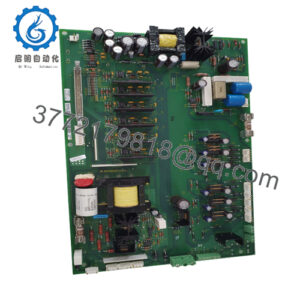
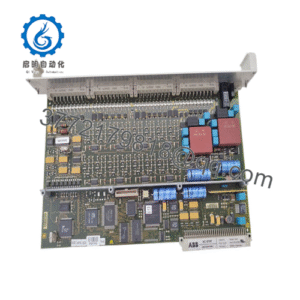
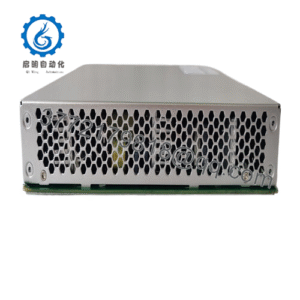
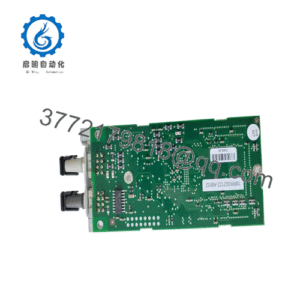
The Waukesha E740401 is a detonation sensing module (also referred to as a detonation sensing module filter) used on Waukesha industrial gas engines. It monitors for engine knock (detonation) and provides conditioned signals to the engine control system for protection and timing adjustment.
This module is a critical component in maintaining safe operation of gas engines commonly found in power generation, oil & gas, and industrial applications. Because it is a specialized electronic assembly, units are frequently repaired or refurbished rather than replaced with brand-new OEM parts.
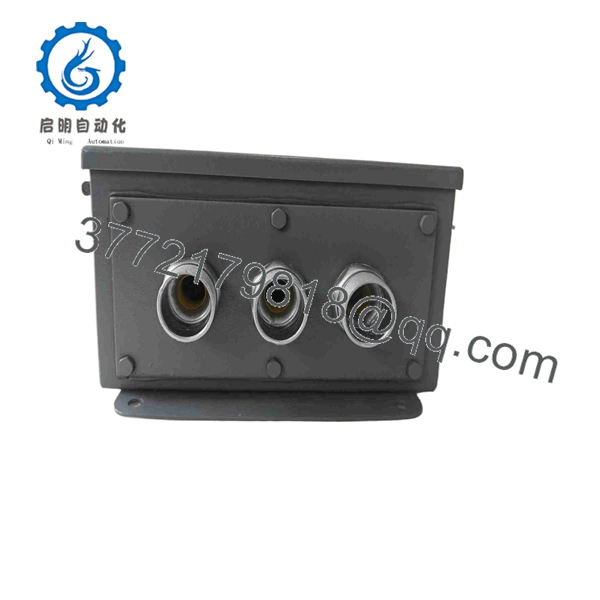
E740401
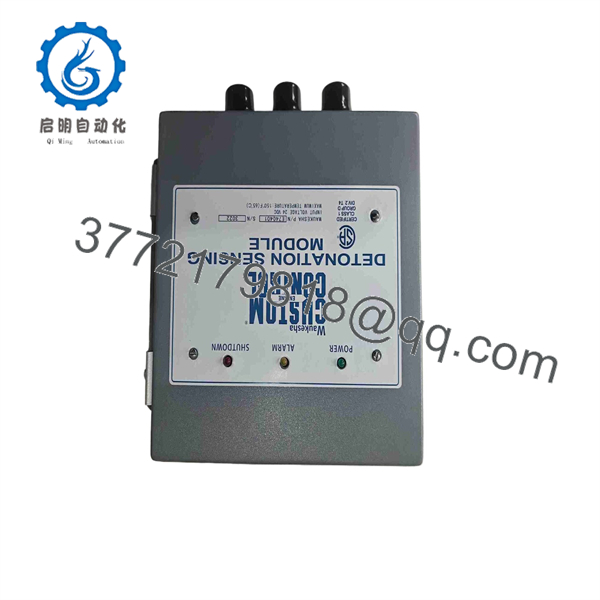
E740401
5. Troubleshooting Quick Reference
| Symptom | Possible Cause | Relevance to this Part | Quick Check Method | Recommendation |
|---|---|---|---|---|
| False detonation alarms | Faulty sensor input or module failure | ✅ High | Check sensor wiring and module output signals | Test sensors; repair or replace module |
| No detonation detection | Open circuit, failed module, or sensor | ✅ High | Verify power to module and signal continuity | Confirm power and sensor integrity |
| Intermittent knock signals | Loose connections or internal filter fault | ✅ High | Inspect connectors and grounding | Clean/secure connections; test module |
| Engine derate or shutdown | Persistent false detonation signal | ✅ Medium | Monitor module output during operation | Isolate module; repair if confirmed faulty |
| Module will not power up | Supply voltage or internal failure | ✅ Medium | Measure supply voltage at module | Verify power feed; replace if dead |
| Calibration or signal drift | Aging components or contamination | ✅ Medium | Compare signals against known-good unit | Send for professional repair/refurbishment |
If the module fails basic power and signal tests under known-good sensor conditions, photograph the labels, connectors, and any visible damage, then contact support with the engine model and serial number.
6. Frequently Asked Questions (FAQ)
Q: What does the E740401 do?
A: It senses and filters detonation (knock) signals from the engine so the control system can protect the engine by adjusting timing or initiating a shutdown if necessary.
Q: Is this module still available new from Waukesha?
A: New OEM availability is limited. Most units in the secondary market are repaired, refurbished, or new surplus. Professional repair services are commonly used.
Q: Can a repaired unit be trusted?
A: Yes, when performed by experienced industrial electronics repair centers that specialize in Waukesha modules. Properly repaired units are widely used in the field.
Q: What engines use the E740401?
A: It is used on various Waukesha industrial gas engines. Confirm exact compatibility with your engine model and control system before ordering.
Q: What should I check before replacing the module?
A: Verify the detonation sensors themselves are functional, check wiring and grounding, and confirm the module is receiving correct power. Many “module failures” are actually sensor or wiring issues.
Q: Why is a refurbished unit more common than a brand-new one?
A: This is a specialized, relatively low-volume electronic module. Repair and refurbishment are the standard industry approach for maintaining these systems cost-effectively.
Q: What information should I provide when ordering or sending for repair?
A: Engine model, serial number, photos of the existing module labels, and a description of the symptoms (false alarms, no detection, etc.).