WhatsApp: +86 16626708626
 Email:
  Phone: +86 16626708626
Description
Key Technical Specifications
| Parameter | Woodward 3522-1005 |
|---|---|
| Manufacturer | Woodward |
| Part Number | 3522-1005 |
| System | EM-80 / EM-300 Actuator System |
| Component Type | Actuator Driver |
| Intended Actuator | EM-80 |
| Rotation Configuration | Clockwise (CW) |
| Actuator System | All-electric |
| Motor Type | Three-phase brushless AC motor |
| Gearbox | High-precision planetary reduction gearbox |
| Actuator Output | 40° rotation |
| Position Feedback | Dedicated actuator position-sensor connection |
| Setup | PC/Windows-based software |
| Diagnostics | Monitoring, alarms, and diagnostics |
| Retrofit Driver | 3522-1042 |
| Typical Prime Movers | Diesel, gas, dual-fuel engines, turbines |
Woodward’s EM-80/EM-300 documentation describes the actuator system as an all-electric actuator arrangement in which a dedicated driver controls actuator position and provides monitoring functions. The actuator itself uses a three-phase brushless AC motor and planetary reduction gearbox.
Do Not Confuse Driver and Actuator Ratings
Several secondary listings incorrectly attribute actuator mechanical specifications directly to the 3522-1005 driver. For example, figures such as 40° output rotation, ISO 9409 flange, and actuator torque describe the EM-80 actuator/system rather than the standalone driver electronics.
For procurement, the distinction should be maintained:
3522-1005 = driver electronics
EM-80 = electromechanical actuator
Product Introduction
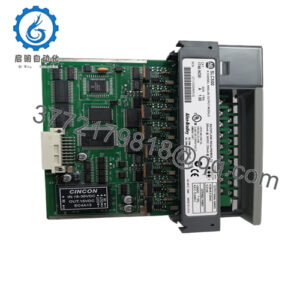
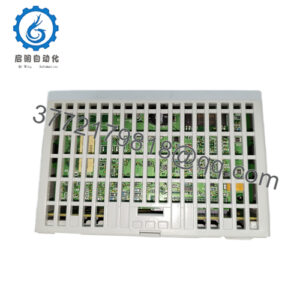
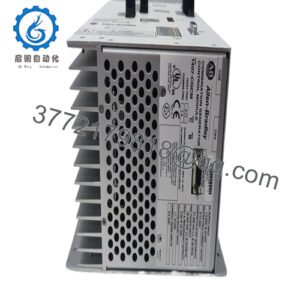
The Woodward 3522-1005 is a legacy driver used with the EM-80 actuator system for precise positioning of engine fuel racks, turbine fuel valves, variable-geometry mechanisms, and related prime-mover control elements. The EM-80 system is designed for applications where an all-electric actuator is preferred over a mechanical drive or hydraulic-oil system.
The driver is configured specifically for the applicable actuator system and rotation direction. The 3522-1005 is identified as an EM-80 clockwise driver, so it should not automatically be substituted for another 3522-series driver simply because the physical hardware appears similar. Rotation direction must be verified against the installed actuator and fuel/control linkage.
Woodward’s own documentation also confirms that older 3522-1004, 3522-1005, and 3522-1009 drivers have a documented retrofit path to 3522-1042.
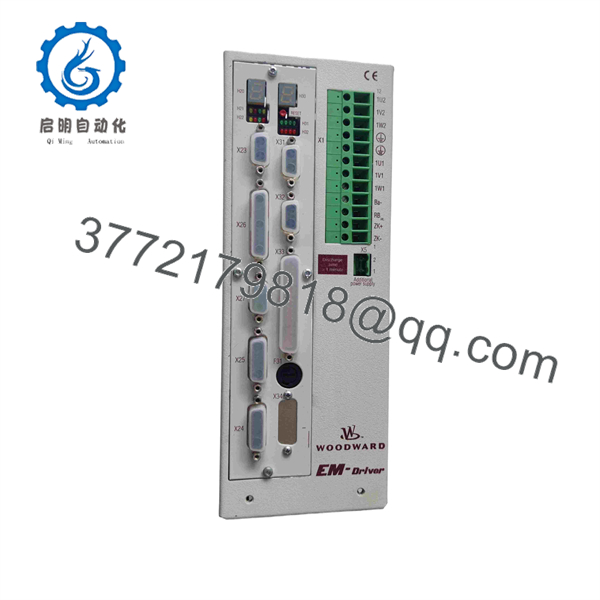
3522-1005
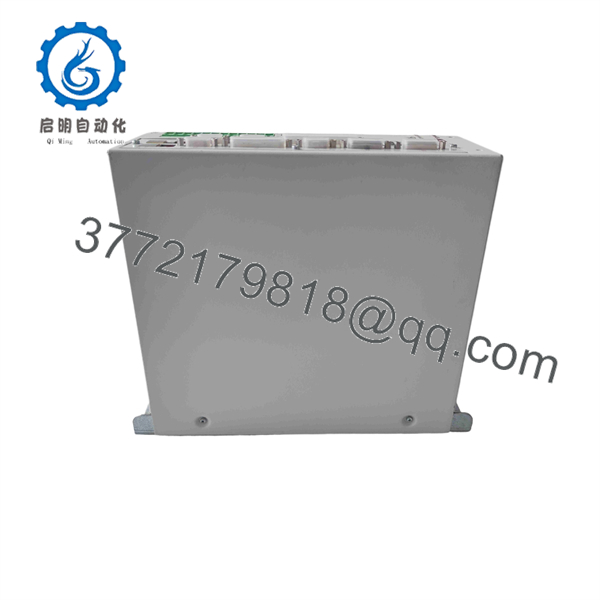
3522-1005
Installation & Configuration Guide
Stage 1 — Verify the Existing System
Estimated time: 15–30 minutes
- Confirm the nameplate shows Woodward 3522-1005.
- Identify the installed actuator model.
- Confirm the actuator is an EM-80.
- Determine the required rotation direction.
- Record the existing driver configuration.
- Check whether the installation is an original 3522-1005 system or a previous retrofit.
- Locate the applicable Woodward EM-80/EM-300 documentation.
Warning: Do not determine CW/CCW orientation from the mounting position alone. Woodward’s retrofit documentation specifically instructs users to verify the actuator’s actual rotation direction.
Stage 2 — Back Up Configuration
Estimated time: 20–45 minutes
- Record all driver configuration parameters.
- Save the existing setup where the applicable Woodward software permits.
- Record actuator position limits.
- Record minimum and maximum fuel/control positions.
- Document feedback configuration.
- Record alarm and diagnostic settings.
- Photograph existing terminal connections before removal.
Warning: An apparently identical replacement driver can still require correct application configuration. Do not assume factory-default parameters are suitable for the installed prime mover.
Stage 3 — Replace the Driver
Estimated time: 30–60 minutes
- Place the engine or turbine in the approved maintenance state.
- Isolate electrical power according to the site’s LOTO procedure.
- Confirm the actuator cannot move unexpectedly.
- Disconnect the existing driver wiring.
- Label power, motor, feedback, and communication connections.
- Remove the existing 3522-1005.
- Inspect connectors and wiring for heat, vibration, corrosion, or insulation damage.
- Install the replacement driver.
- Reconnect all wiring according to the Woodward installation documentation.
- Verify protective-earth connections before energization.
Woodward specifically warns that some actuator shaft movement may occur when power is initially applied, so personnel and machinery must be positioned safely before energizing the system.
Stage 4 — Commission and Test
Estimated time: 45–120 minutes
- Energize the driver under the approved commissioning procedure.
- Verify driver status indications.
- Establish communication with the configuration software where applicable.
- Confirm actuator feedback.
- Verify minimum and maximum travel.
- Confirm the actual direction of rotation.
- Check the actuator position indication.
- Test commanded positioning at controlled operating conditions.
- Verify alarm and diagnostic functions.
- Confirm the final control element reaches its required operating positions.
- Record the final driver configuration for maintenance records.
Critical acceptance test: Verify that the commanded increase/decrease direction corresponds correctly to the engine or turbine fuel/control requirement. An incorrect rotation configuration can produce a serious control problem even when the driver itself appears to operate normally.
Frequently Asked Questions
What is the Woodward 3522-1005?
The 3522-1005 is an EM-80/EM-300 actuator-system driver, specifically documented as an EM-80 clockwise driver. It is not a generic PLC I/O module.
Is 3522-1005 the actuator?
No. This is one of the most important purchasing distinctions.
3522-1005 is the driver. The EM-80 is the associated electromechanical actuator. The actuator contains the motor and planetary reduction gearbox, while the driver controls the actuator and provides monitoring/diagnostic functions.
What actuator is compatible with 3522-1005?
The documented configuration is the EM-80 actuator system, with the 3522-1005 identified as the CW driver. Compatibility should still be confirmed against the complete actuator nameplate and system configuration.
Is 3522-1005 obsolete?
It is a legacy driver. Woodward’s current documentation explicitly discusses replacing older 3522-1004, 3522-1005, and 3522-1009 drivers with 3522-1042 through a retrofit process. This means buyers should investigate the retrofit option rather than assuming a used 3522-1005 is the only solution.
Can 3522-1042 directly replace 3522-1005?
Woodward documents 3522-1042 as a retrofit replacement, but this should not be interpreted as a simple uncontrolled plug-and-play swap. Woodward provides a dedicated driver conversion procedure, and the actuator rotation direction and application configuration must be verified.
What applications use the EM-80 system?
The EM-80/EM-300 systems are intended for large diesel, gas, and dual-fuel engines and turbines. Typical functions include controlling engine fuel racks, turbine fuel valves, turbine/turbocharger variable geometry, and fuel-injection timing mechanisms.
What should I verify before buying a 3522-1005?
For a replacement spare, verify:
- Exact part number: 3522-1005
- Driver revision/serial information
- Associated actuator: EM-80
- Rotation direction: CW
- Existing driver configuration
- Motor and feedback connections
- Application-specific setup parameters
- Whether the unit is new original, new surplus, refurbished, or used
- Whether the supplier has performed functional testing
- Whether a 3522-1042 retrofit is more appropriate for the installation
For a critical turbine or engine application, purchasing by part number alone is not sufficient. The driver, actuator, rotation direction, linkage, feedback, and configuration must be treated as one engineered control system.