WhatsApp: +86 16626708626
 Email:
  Phone: +86 16626708626
Description
3. Key Technical Specifications
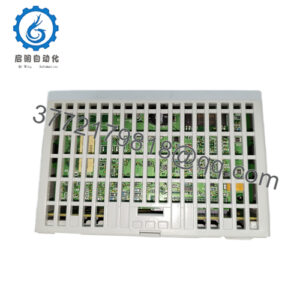
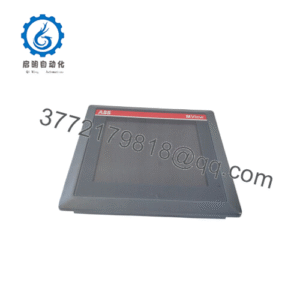
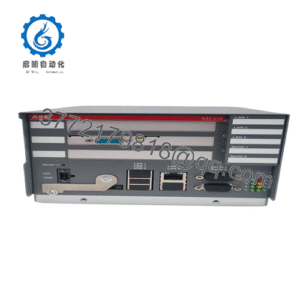
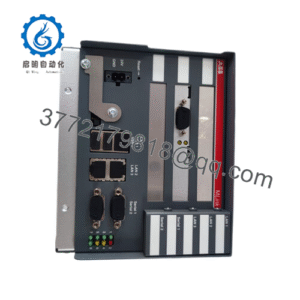
The Woodward 5464-333 module provides high-speed frequency processing for speed sensing applications across steam, gas, and hydro turbines.
| Parameter | Value |
| Part Number | 5464-333 |
| Manufacturer | Woodward |
| System Architecture | MicroNet Simplex / TMR Systems |
| Input Channels | 4 Speed Sensor Channels |
| Supported Transducers | Passive Magnetic Pickup (MPU) or Active Proximity Probes |
| Frequency Range | 1 Hz to 50,000 Hz |
| Resolution | 12-bit / High-precision frequency counter |
| Power Consumption | 5.2 W typical (via MicroNet VME backplane) |
| Operating Temperature | -40°C to +70°C |
| Isolation | 500 VDC channel-to-frame ground |
| Status Indicators | Front panel Fault LED and RUN LED |
4. Product Introduction & Supply Chain Strategy
The Woodward 5464-333 is a 4-channel speed sensor input module designed for MicroNet digital control systems. It translates high-frequency signals from magnetic pickups or proximity probes into precise speed data required for overspeed protection, governor speed control, and critical trip logic in power generation plants.
Maintaining this unit as a New Surplus spare is a vital risk-mitigation strategy. Because turbine speed monitoring is a single point of failure (SPOF) system, an unexpected module failure triggers an immediate forced outage. Procurement lead times for factory-ordered Woodward legacy boards often exceed 16 to 24 weeks. Sourcing a verified New Surplus unit guarantees immediate field readiness and eliminates the high risk of catastrophic failure associated with degraded, second-hand components.
5. Installation & Configuration Guide
Critical Safety Warning
Speed sensor modules interface directly with turbine overspeed protection circuits. Mishandling or improper insertion can result in unexpected trips or failure to trip during an overspeed condition. Lock-out/tag-out (LOTO) protocols must be strictly observed.
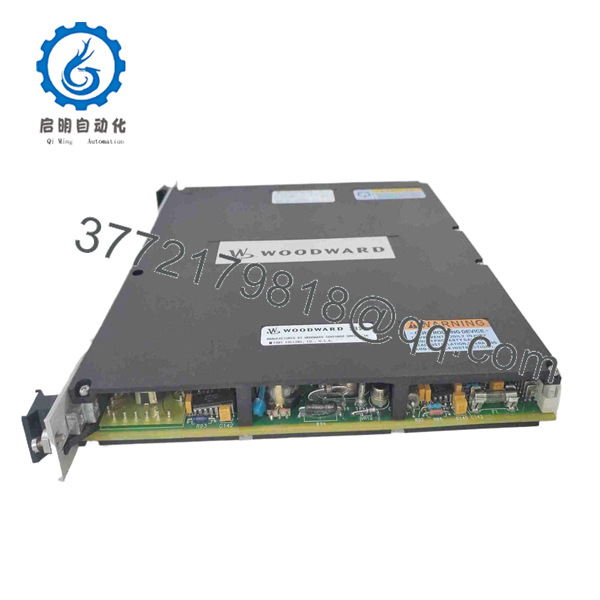
5464-333
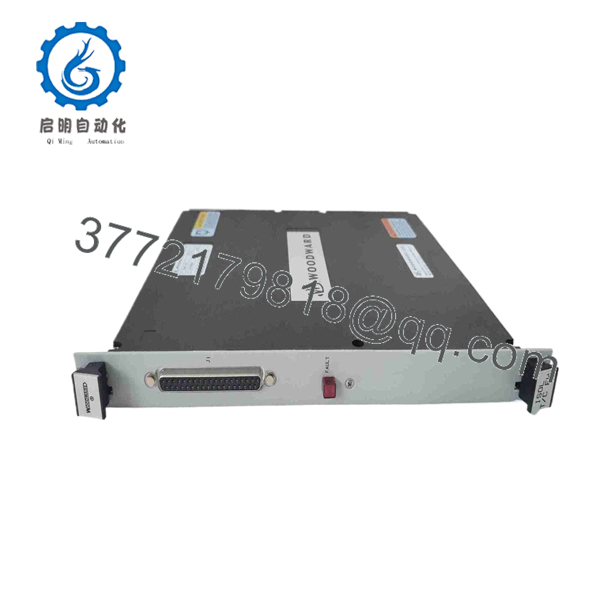
5464-333
1.Pre-Installation & Data Backup:Prerequisite.
Document existing software configurations in Coder / GAP software. Connect a grounded ESD wrist strap before opening the MicroNet chassis door. Record all switch setting positions and terminal block pinouts on the existing module.
2.Module Removal:Hardware Isolation.
Loosen the top and bottom captive retaining screws on the target 5464-333 card. Firmly unlatch the card ejector handles to unseat the module from the VME backplane. Slide the module out smoothly without twisting to prevent pin bending.
3.Configuration Cloning & Insertion:Installation.
Inspect backplane pins on the replacement 5464-333 for damage. Align card edges with the guide rails in the MicroNet rack and push until the ejector levers engage. Lock top and bottom retaining screws to ensure proper frame grounding.
4.Power-On & Verification:Validation.
Apply system power. Verify the green RUN LED illuminates and the red FAULT LED extinguishes within 5 seconds. In the MicroNet diagnostic window, verify frequency inputs match physical shaft speed readings.
6. Firmware/Software Versions & Upgrade Notes
- Compatible Software: Compatible with Woodward GAP (Graphical Application Program) environments supporting MicroNet architecture.
- Firmware Dependencies: Ensure the module hardware revision matches the system configuration defined in your GAP software project block.
- Hardware Revisions: Minor revision changes (e.g., Rev A to Rev C) generally maintain backward pin compatibility, but require verification in the MicroNet system manager driver configuration.
- Upgrade Warning: Never flash or swap system firmware while the turbine is online or running on governor control. Changing hardware drivers without recompiling the GAP logic application can cause communication handshake timeouts across the VME backplane.
7. Frequently Asked Questions (FAQ)
Q: Is this Woodward 5464-333 module genuinely new, or is it pulled from an active panel?
A: This product is a Brand New Surplus unit. It is not used, not pulled from a decommissioned plant, and not refurbished. All modules undergo rigorous quality verification to ensure OEM-level reliability.
Q: Why should I buy New Surplus instead of a cheaper refurbished card?
A: Refurbished control boards frequently contain aged capacitors and worn solder joints that fail under thermal stress. A 500 savings on a refurbished card risks a 50,000 per day turbine shutdown. New Surplus gives you full 10-15 year hardware longevity and zero operational risk.
Q: Can I hot-swap the 5464-333 speed sensor module while the turbine is running?
A: Hot-swapping depends on whether your MicroNet chassis is configured for Fault-Tolerant (TMR) or Simplex operation. On Simplex systems, pulling a speed card will trip the unit. Always refer to your specific plant operating procedure and disable output channels before extraction.
Q: Does this module store calibration settings onboard?
A: No. Sensor calibration thresholds, signal filtering, and trip setpoints are stored in the main MicroNet CPU memory and downloaded to the 5464-333 upon backplane initialization.
Q: What warranty and documentation come with this 5464-333 module?
A: Each unit includes a comprehensive QC verification report, static-safe sealed packaging, and a full 1-year replacement warranty from the date of shipment.