 WhatsApp: +86 16626708626
 Email:
  Phone: +86 16626708626
Description
Key Technical Specifications
| Parameter | Value |
| Manufacturer | Woodward |
| Part Number | 5466-5026 |
| Processor Architecture | P1020 Dual-Core SOC (800 MHz) |
| System Framework | MicroNet Plus 8-Slot or 14-Slot VME Chassis |
| Cyber Security Integration | Standard Achilles Level 1 / Embedded Cyber Protection |
| Ethernet Interfaces | 6 Ports Total (2 @ 1 Gbps, 2 @ 100 Mbps, 2 General Purpose) |
| Real-Time Network (RTN) | 2 Ports Dedicated for Expansion Chassis Extension |
| Fieldbus Interfaces | CANOpen / RTC Ports for LinkNet HT Distributed I/O |
| Redundancy Mode | Supports Simplex or Dual-Redundant Master/Standby ( Failover < 1 ms ) |
| Application Software | Woodward Graphical Application Programmer (GAP) |
| Live Insertion/Removal | Yes (With software-initiated reset protocol) |
| Operating Temperature | −40 to +85°C |
Product Introduction & Supply Chain Strategy
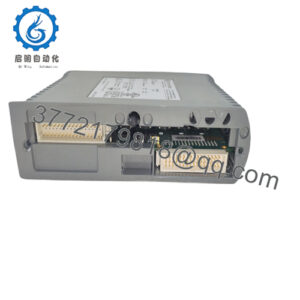
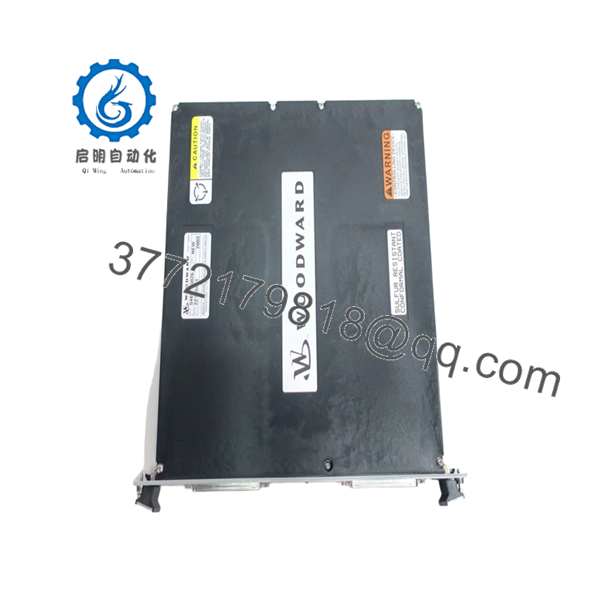
The Woodward 5466-5026 functions as the high-performance computational engine for advanced MicroNet Plus digital control architectures. Powered by an 800 MHz P1020 dual-core processor, this module concurrently handles high-speed turbine governor calculations, complex DLE fuel control algorithms, surge detection profiles, and multi-protocol network handshakes. It includes integrated industrial cybersecurity protections and features an expanded array of six Ethernet ports alongside Real-Time Network (RTN) expansion channels. This design allows the card to directly coordinate distributed LinkNet HT I/O networks while maintaining a deterministic runtime environment.
From a supply chain perspective, the 5466-5026 represents a critical single point of failure (SPOF). Because it functions as the central processor executing the core turbine logic, any internal hardware failure immediately halts asset operations. Procuring this advanced CPU card as a verified New Surplus component provides an efficient alternative to high manufacturer list prices and unpredictable lead times for factory orders. Keeping one factory-sealed unit in on-site buffer stock reduces your vulnerability to emergency stock-outs and drops unexpected downtime recovery windows from weeks to minutes.

- 5466-5026
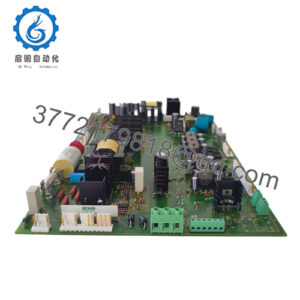
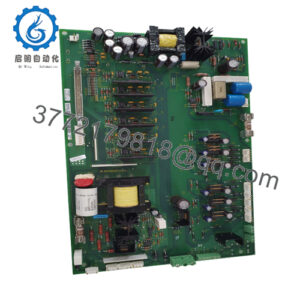
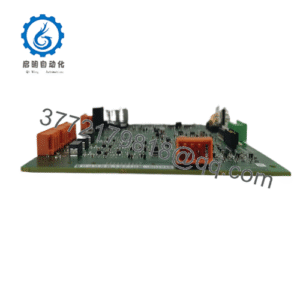
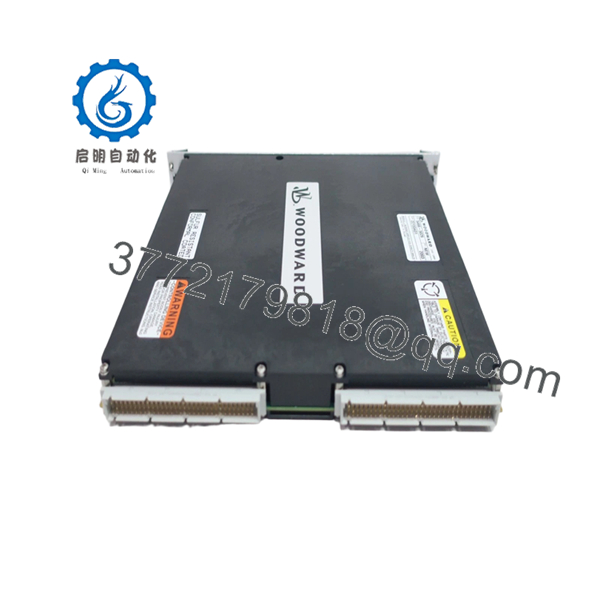
- 5466-5026
Installation & Configuration Guide
Stage 1: Pre-Installation (Prep & Safety)
Isolate the primary engine or turbine system to ensure it is completely offline and safe. Wear a grounded anti-static wrist strap and connect it directly to an unpainted metal surface on the MicroNet Plus chassis. Use the Woodward AppManager software utility to pull and save a complete backup of the current running application logic, tuning variables, network host profiles, and IP configurations from the active processor.
Stage 2: Removal
Loosen the upper and lower captive faceplate thumbscrews securing the module. If operating in a dual-redundant cluster, press the software reset/abort switch on the faceplate to safely transition master control to the secondary tracking CPU. Pivot both integrated injector/ejector handles outward simultaneously to unseat the high-density backplane connection, then pull the card straight out along the chassis guide rails.
Stage 3: Installation (Clone & Seat)
Verify the new surplus 5466-5026 module matches the exact physical board and model profile. Align the card tracks with the dedicated CPU slot guides (Slot A1, or Slots A8/A14 for redundant backups). Slide the card firmly inward until it contacts the backplane. Simultaneously snap both faceplate handles inward to lock the multi-pin array into the backplane sockets, then tighten the upper and lower captive screws.
Stage 4: Power-On & Testing
Reconnect all network communication cables to their designated Gigabit Ethernet, CANOpen, and RTN ports. Restore main power to the MicroNet Plus chassis and monitor the front diagnostic LED matrix during self-test initialization. The green RUN light must lock solid, and the network activity lights must show active communication. Use AppManager to deploy the saved GAP application configuration and verify data synchronization with parallel rack resources.
Firmware/Software Versions & Upgrade Notes
The 5466-5026 processor operates with specific dual-core operating system kernels compiled through the Woodward GAP (Graphical Application Program) framework. When executing a hardware swap, matching the exact kernel version, bootblock, and safety patching level of the active CPU cluster is critical. A firmware mismatch between the replacement module and your existing software blocks will cause immediate backplane communication errors, block synchronization with the standby tracking processor, and prevent the card from finishing its system boot sequence.
Critical Safety Note: Never flash firmware alterations or clear non-volatile flash configurations on a processor module while it is mounted inside an active, running control chassis. All engineering configuration and kernel adaptations must be completed on an isolated test rack while the prime mover is safely offline.
Frequently Asked Questions (FAQ)
What advantages does this P1020-based New Surplus card offer over refurbished units?
Refurbished processors often suffer from invisible trace fractures or microcomponent degradation from past overvoltage events. Because this CPU handles critical loops like turbine governor sequencing and overspeed protection, a refurbished failure can cause dangerous unexpected trips. Our New Surplus 5466-5026 units offer pristine OEM build quality with zero prior run hours, ensuring maximum operational lifespan.
Can this module be plugged into a running chassis without cutting power?
Yes. The 5466-5026 supports live insertion and removal. However, if you are operating a simplex (single CPU) system, removing the card will instantly crash system communications and trip the turbine. In a redundant setup, you must activate the faceplate reset sequence first to ensure an orderly failover to the standby processor before removal.
How are the networking IP addresses assigned on this replacement card?
The module ships with default factory networking profiles. Once the hardware is properly seated and finishes its diagnostic self-test, you must connect a configuration laptop running Woodward AppManager via an Ethernet connection to push your specific system IP maps and field device paths into the non-volatile memory.
What is the purpose of the two Real-Time Network (RTN) ports on the front plate?
The two RTN interfaces are dedicated high-speed links designed to extend the main VME backplane over fiber or copper to remote expansion chassis. This configuration allows the central P1020 processor core to manage high-density, distributed I/O blocks at microsecond speeds without introducing data latency.
Does this processor include active cybersecurity licensing?
Yes, the 5466-5026 features standard embedded cybersecurity layers, offering Achilles Level 1 certified network security. This configuration protects critical turbine command networks from unauthorized protocol injections, unauthorized access attempts, and industrial communication disruptions.
What type of warranty protection comes with this New Surplus card?
Every genuine New Surplus Woodward 5466-5026 processor module we distribute is backed by a comprehensive 1-year replacement warranty, protecting your maintenance budget and ensuring full operational reliability.