WhatsApp: +86 16626708626
 Email:
  Phone: +86 16626708626
Description
Key Technical Specifications
- Function: 6-channel analog current input acquisition
- Input Type: 4-20 mA
- Input Channels: 6
- Loop Power: 24 VDC, supports loop-powered or self-powered transducers (one mode per module, not both simultaneously)
- Power Consumption: 3.1 W
- Diagnostics: Built-in reference voltage for A/D converter integrity checking
- Platform: Woodward LinkNet distributed I/O node series
- ⚠️ Physical Dimensions, Mounting Style, Enclosure Rating: Confirm against the LinkNet hardware manual or the unit’s own nameplate before specifying an installation — dimension figures circulating on reseller sites aren’t consistently sourced from an OEM datasheet.
Product Introduction
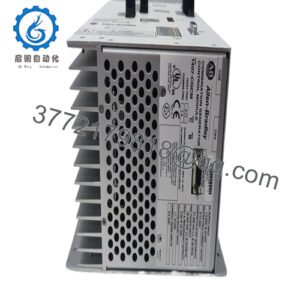
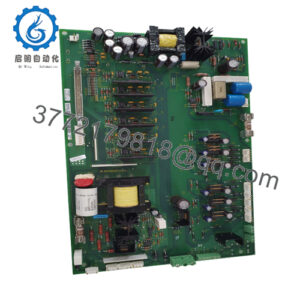
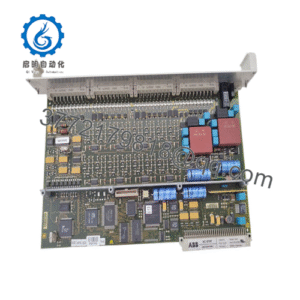
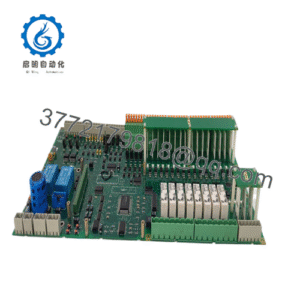
The Woodward 9905-969 is a 6-channel analog input module in the LinkNet distributed I/O series, built to acquire 4-20 mA signals from field transducers measuring pressure, flow, temperature, and similar process variables. It runs on 24 VDC loop power and supports either loop-powered or self-powered transducers, not a mix of both on the same module.
Plants running legacy Woodward governor and control system architectures reach for this part when a distributed I/O node needs replacing without a full system redesign. Since it’s discontinued by the manufacturer, most available stock is new surplus rather than current production.
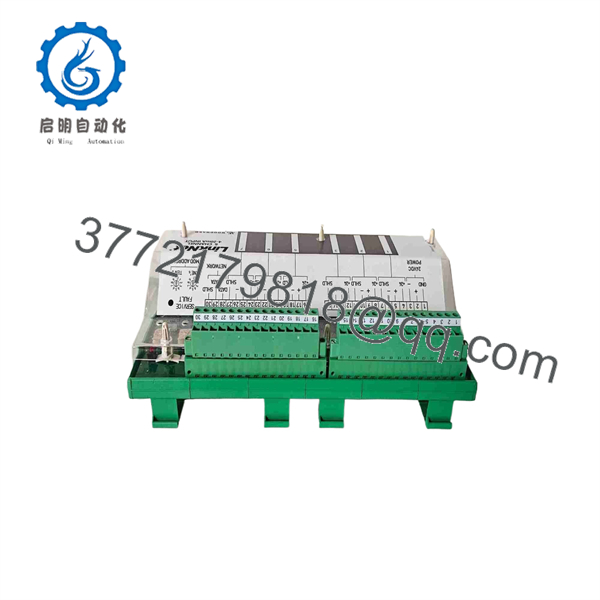
9905-969
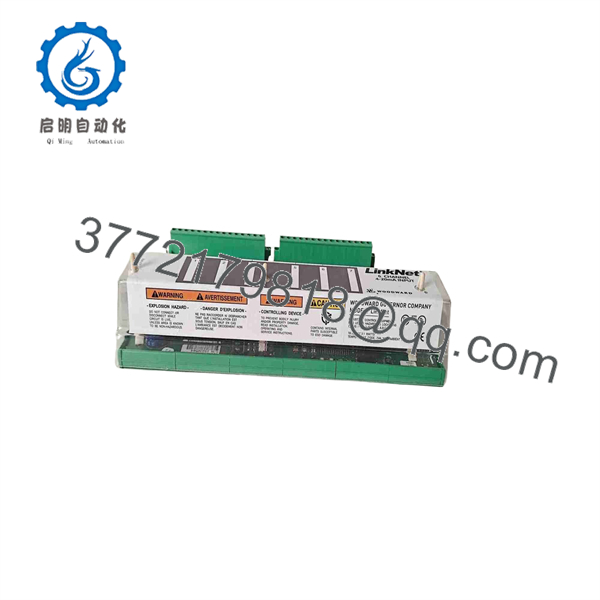
9905-969
Troubleshooting Quick Reference
| Symptom | Possible Cause | Relevance to this Part | Quick Check Method | Recommendation |
|---|---|---|---|---|
| One channel reads zero/no signal | Field transducer fault or wiring issue | ❌ Low | Check the transducer and loop wiring for that channel first | Isolate the field device before replacing the module |
| All six channels dead | Module power fault or loop power supply failure | ✅ High | Measure 24 VDC at the module’s power terminals | Confirm loop power supply before condemning the module |
| Reading present but inaccurate/drifting | A/D converter reference fault or calibration drift | ✅ High | Check the module’s built-in reference voltage diagnostic | May indicate module-level fault requiring replacement |
| Intermittent signal on multiple channels | Loose network connection to the LinkNet bus | ❌ Low | Inspect and reseat the LinkNet network connector | Usually a connection issue, not the module itself |
| Module not communicating on the network at all | LinkNet bus fault or module address conflict | ⚠️ Medium | Verify module addressing and network wiring | Check network health before assuming module failure |
If a single channel or the whole module won’t clear after basic checks, send your loop wiring diagram and diagnostic readings to technical support — mixed loop-powered/self-powered wiring on the same module is a common troubleshooting trap.
Frequently Asked Questions (FAQ)
Can I mix loop-powered and self-powered transducers on the same module?
No. The module supports one mode or the other, not both simultaneously. If your installation mixes transducer types, you’ll need to route them to separate modules.
Is this still available new from Woodward?
No, it’s discontinued by the manufacturer. What’s on the market now is new surplus stock — confirm with your supplier whether it’s boxed, tested, and what warranty backs it.
Do I need to reconfigure the LinkNet network after swapping this module?
Depends on your network addressing setup. Confirm the replacement module’s address matches what your system expects, or you’ll need to reconfigure it during commissioning.
Why is this priced well below what I’d expect for new industrial gear?
Because it’s surplus stock from a discontinued line, not a fresh factory run. Ask your supplier directly about testing and condition — “new surplus no box” means unused stock without original packaging, not necessarily untested.
What’s the actual input range this module reads?
Standard 4-20 mA current loop, six channels. If your transducers output something else — 0-10V, for example — this isn’t the right module without signal conversion ahead of it.
How do I know if a channel fault is the module or the field device?
Check the field transducer and wiring first — that’s the far more common failure point. The module’s built-in reference voltage diagnostic can help confirm whether the fault is internal to the module or upstream in the field wiring.