WhatsApp: +86 16626708626
 Email:
  Phone: +86 16626708626
Description
Key Technical Specifications
- Function: Load sharing (isochronous and droop) between paralleled generator sets
- Power Input: 24 VDC nominal, 18-32 Vdc operating range
- Output Type: Pulse Width Modulated (PWM), Caterpillar-compatible
- Droop Load Sharing: Full-load condition sensed from 3 to 7 Arms via current transformer input
- Operating Temperature: −40 to +70°C (−40 to +158°F)
- Overvoltage Category: Category III
- Pollution Degree: Degree 2
- Cross-Reference: Direct replacement for the obsolete Woodward 9907-175
- Reference Manual: Woodward manual 02036 (installation, calibration, theory of operation, troubleshooting)
- ⚠️ Exact Enclosure Dimensions, Terminal Torque Spec, Weight: Confirm against Woodward manual 02036 or the unit’s nameplate before installation — not independently verified in this pass.
Product Introduction
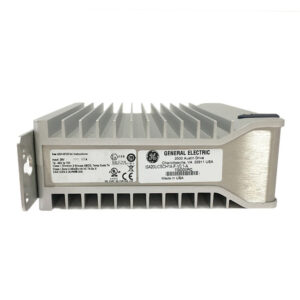
The Woodward 9907-838 is an LSM Load Sharing Module built to balance load between two or more paralleled generator sets, running either isochronous or droop control depending on the plant’s paralleling scheme. It outputs a pulse-width-modulated signal specifically compatible with Caterpillar generator systems, and it’s the current replacement for the obsolete 9907-175.
Running on 24 VDC across an 18-32 Vdc input range, it’s rated for a −40 to +70°C operating window, which covers most outdoor genset enclosures without additional climate control. Droop load sharing senses full-load conditions from a 3 to 7 Arms current transformer input, giving it a defined calibration reference point during setup.
Troubleshooting Quick Reference
| Symptom | Possible Cause | Relevance to this Part | Quick Check Method | Recommendation |
|---|---|---|---|---|
| Generators won’t share load evenly when paralleled | LSM calibration drift or CT input fault | ✅ High | Check CT signal against the 3-7 Arms full-load reference | Recalibrate before condemning the module |
| No PWM output signal at all | Module power fault or internal component failure | ✅ High | Measure input voltage at power terminals (18-32 Vdc) | Confirm power source before replacing the module |
| Load sharing works in droop but not isochronous mode (or vice versa) | Mode configuration or wiring fault | ⚠️ Medium | Verify mode selection and wiring per manual 02036 | Check configuration before assuming hardware failure |
| Intermittent load sharing during temperature swings | Module operating near thermal limits | ❌ Low | Check ambient temperature at the module’s mounting location | Confirm enclosure ventilation before replacing |
| Load sharing unstable specifically with Caterpillar engine ECM | PWM signal compatibility or wiring mismatch | ⚠️ Medium | Verify PWM output wiring matches Caterpillar ECM input spec | Cross-check wiring diagram before condemning the module |
Send your CT calibration readings and the specific generator set model to technical support if load sharing issues persist after basic checks — droop calibration errors get misdiagnosed as module failures often on these systems.
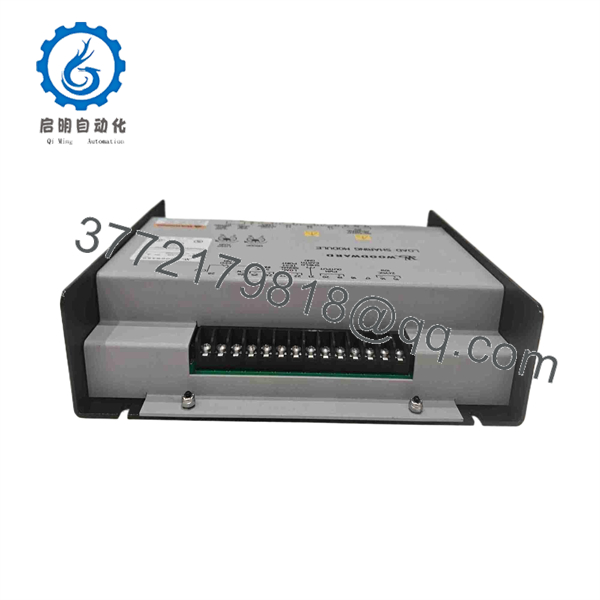
9907-838
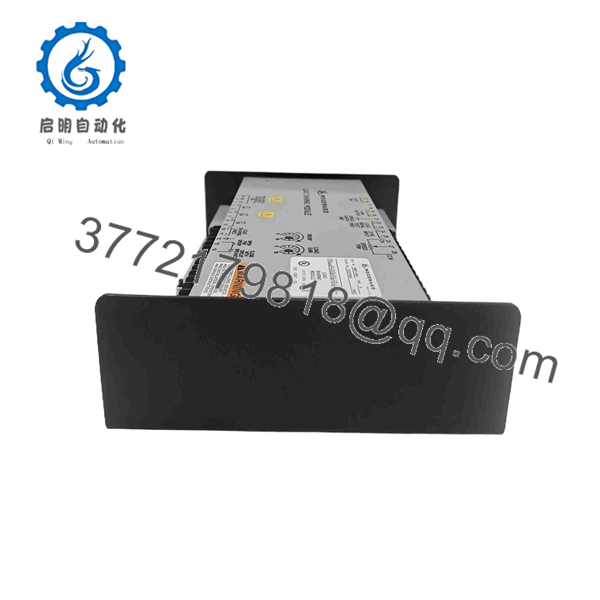
9907-838
Frequently Asked Questions (FAQ)
Is this a direct swap for my old 9907-175?
Yes — Woodward lists the 9907-838 as the replacement for the obsolete 9907-175. Confirm your wiring matches the 838’s terminal layout before swapping, since replacement parts don’t always share identical pinouts even when functionally equivalent.
Does this only work with Caterpillar generators?
The PWM output is specifically built for Caterpillar compatibility. If you’re running a different engine manufacturer’s genset, verify signal compatibility before ordering — this isn’t a universal load sharing module.
Can I use this for isochronous load sharing, droop, or both?
Both — it’s outfitted with isochronous and droop load sharing capability. Which mode you use depends on your specific paralleling scheme and configuration in the field per manual 02036.
Why is this priced below a factory-new quote?
It’s discontinued by the manufacturer, so what’s available now is surplus or reconditioned stock. Ask your supplier whether it’s new surplus in factory packaging or a used, cleaned-and-tested unit — condition varies significantly between listings.
What’s the actual full-load calibration point for droop sharing?
3 to 7 Arms on the current transformer input, per Woodward’s specification. If your CT setup falls outside that range, you’ll need to address that during commissioning rather than assuming the module is at fault.
Is recalibration needed after installing a replacement module?
Yes, treat this as a required commissioning step — verify droop calibration against your CT reference and confirm load sharing behavior across the full load range before considering the swap complete.