WhatsApp: +86 16626708626
 Email:
  Phone: +86 16626708626
Description
3. Key Technical Specifications
| Parameter | Value |
|---|---|
| Ethernet Ports | 1 × 10Base-T RJ45 + 1 × AUI |
| Communication Rate | 10 Mbps |
| Supported Topologies | Linear |
| Backplane Current @ 5.1 V DC | ≈ 900 mA |
| Backplane Current @ 24 V DC | ≈ 350 mA |
| Power Dissipation, Max | Up to 13.3 W |
| Isolation Voltage | 30 V continuous |
| Slot Width | 1 |
| Compatible Chassis | 1756-A4, A7, A10, A13 (Series A/B) |
| Compatible Power Supplies | 1756-PA72, 1756-PB72 |
| Operating Temperature | 0 °C to +60 °C |
| Status Indicators | OK, TXD, RXD |
4. Product Introduction
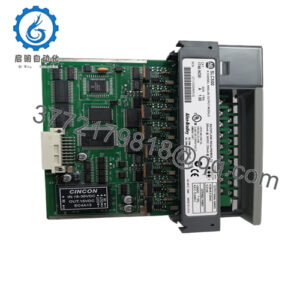
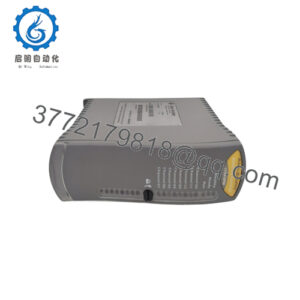
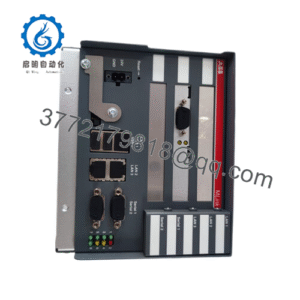
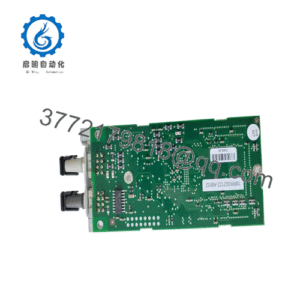
The Allen-Bradley 1756-ENET is the original EtherNet/IP communication module for ControlLogix systems. It provides a single 10 Mbps Ethernet interface with both 10Base-T (RJ45) and AUI connectors and installs in any slot of a compatible 1756 chassis.
It supports messaging and I/O communication between ControlLogix controllers and other EtherNet/IP devices. This module has been discontinued for many years and was succeeded by the 1756-ENBT and later the EN2T / EN2TR / EN4TR family. Remaining units are used primarily for maintaining legacy installations that have not yet migrated to higher-speed modules.
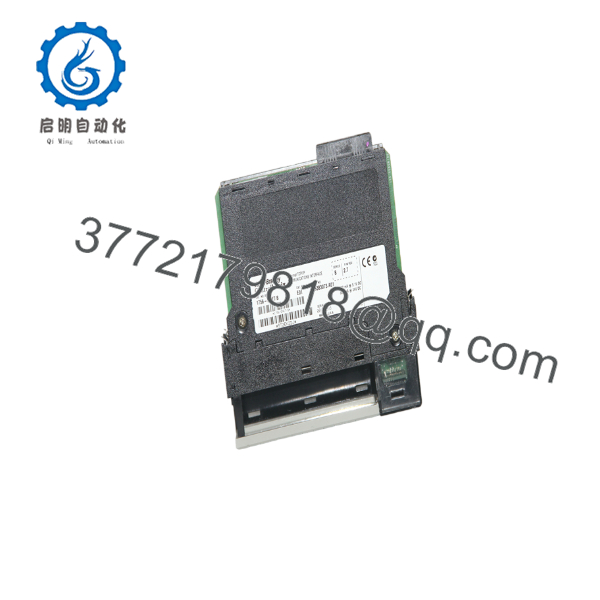
1756-ENET
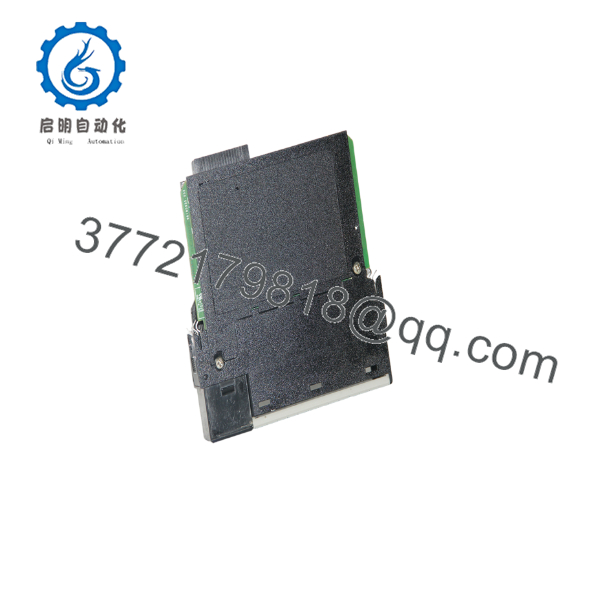
1756-ENET
5. Troubleshooting Quick Reference
| Symptom | Possible Cause | Relevance to this Part | Quick Check Method | Recommendation |
|---|---|---|---|---|
| OK LED red / module faulted | Backplane power, firmware, or hardware fault | ✅ High | Check chassis power and module seating | Reseat module; verify power supply capacity |
| No Ethernet link | Cable, media converter, or port mismatch | ✅ High | Test both 10Base-T and AUI ports; verify 10 Mbps only | Use correct media; confirm switch is 10 Mbps capable |
| Cannot establish communications | IP conflict or BOOTP/DHCP issue | ✅ High | Verify IP settings via RSLinx or BOOTP utility | Assign static IP or correct BOOTP server |
| High power dissipation / overheating | Module age or high network traffic | ✅ Medium | Monitor chassis temperature and current draw | Improve cooling or migrate to newer EN2T module |
| Intermittent packet loss | Noisy media or excessive cable length | ✅ Medium | Inspect cable quality and length | Replace cable; keep runs short for 10 Mbps |
| Module not recognized in RSLinx | Driver or firmware mismatch | ❌ Low | Update RSLinx EDS files and module firmware if possible | Use compatible older software version |
If diagnostics remain unclear, capture LED status, IP configuration, and network traffic details before contacting support.
6. Frequently Asked Questions (FAQ)
Q: Is the 1756-ENET still available new from Rockwell? No. The module has been discontinued for many years. Available units are New Surplus or refurbished stock from secondary markets.
Q: What is the difference between 1756-ENET and 1756-ENBT? The 1756-ENET is the original 10 Mbps module with both RJ45 and AUI ports. The 1756-ENBT is the next-generation 10/100 Mbps module with higher connection capacity and improved performance.
Q: Can the 1756-ENET run at 100 Mbps? No. It is strictly a 10 Mbps module. Connecting it to a 100 Mbps-only switch will result in no link.
Q: Does it support Device Level Ring (DLR)? No. DLR requires dual-port modules such as the 1756-EN2TR or 1756-EN4TR.
Q: What is the recommended replacement? For most applications the 1756-EN2T (single-port) or 1756-EN2TR (dual-port with DLR) is the direct functional upgrade path.
Q: Can I still use the AUI port? Yes, but AUI (Attachment Unit Interface) requires a suitable transceiver. Most modern installations use the 10Base-T RJ45 port exclusively.
Q: Why is New Surplus priced lower than original list? These are genuine Allen-Bradley modules from excess inventory or cancelled projects. They are unused and typically supplied with anti-static protection. They are not refurbished unless specifically stated.