WhatsApp: +86 16626708626
 Email:
  Phone: +86 16626708626
Description
Key Technical Specifications
- Part Number: 1756-OW16I
- Manufacturer: Allen-Bradley / Rockwell Automation
- Product Family: ControlLogix I/O
- Module Type: Digital relay output
- Output Points: 16
- Contact Form: Normally open, individually isolated
- Operating Voltage Range: 5-125 V DC; 10-240 V AC
- Load Rating: 1 A @ 5-30 V DC; 0.5 A @ 48 V DC; 0.22 A @ 125 V DC; 1.5 A @ 120 V AC; 0.75 A @ 240 V AC
- Pilot Duty: C300/R150
- Output Delay: 10 ms max off-to-on; 10 ms max on-to-off
- Current Draw: 150 mA @ 5.1 V; 150 mA @ 24 V
- Backplane Power: 4.4 W
- Power Dissipation: 4.5 W max at 60 °C
- Off-State Leakage: 1.5 mA per point max
- Minimum Load Current: 10 mA per point
- Isolation: 250 V continuous between outputs
- Operating Temperature: 0-60 °C
Product Introduction
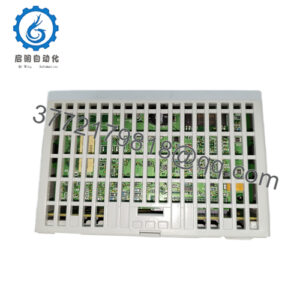
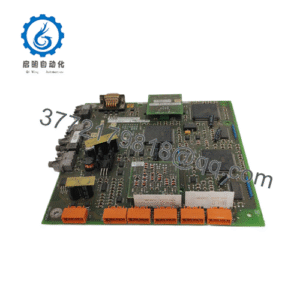
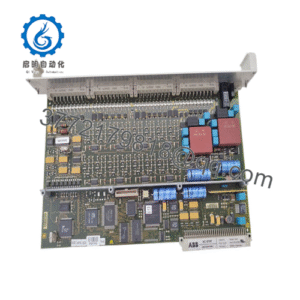
The Allen-Bradley 1756-OW16I is a ControlLogix 16-point relay output module used to switch AC or DC field loads through individually isolated dry contacts. It is commonly used for pilot devices, interposing circuits, alarms, and general-purpose control loads.
Its strength is flexibility. Because it handles both AC and DC load ranges, it fits mixed-panel applications where you want a single ControlLogix output card with isolation at each point and no transistor output polarity to worry about.
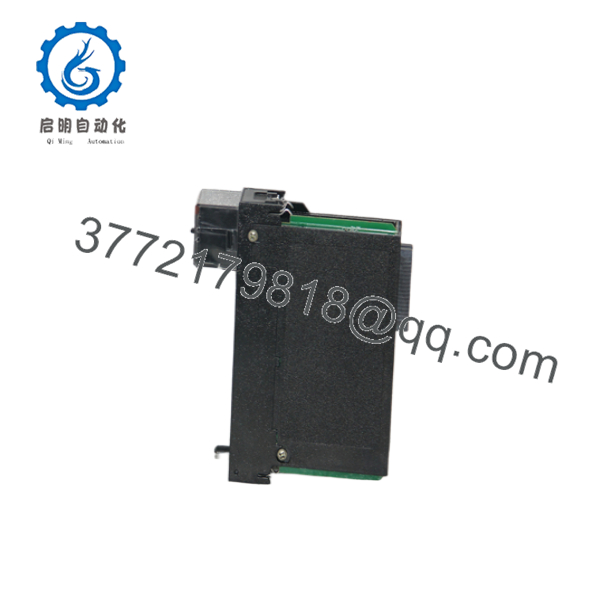
1756-OW16I
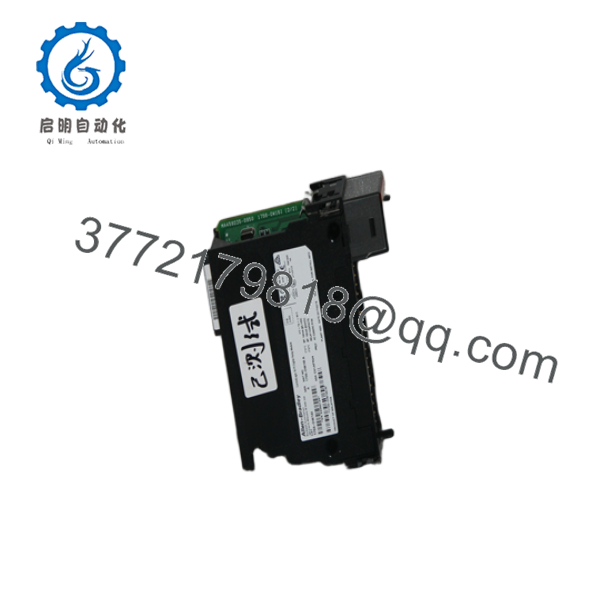
1756-OW16I
Troubleshooting Quick Reference
| Symptom | Possible Cause | Relevance to this Part | Quick Check Method | Recommendation |
|---|---|---|---|---|
| Output LED turns on, but load does not energize | Open field wire, missing load supply, or bad relay contact | ✅ High | Measure voltage at the contact terminals and check continuity through the point | Verify field power and load wiring before replacing the module |
| One channel works intermittently | Worn relay contact or loose terminal screw | ✅ High | Toggle the point while measuring continuity and inspect the terminal torque | Re-terminate wiring; replace the module if the contact is unstable |
| Several outputs fail together | External field supply problem or blown common feed | ⚠️ Medium | Check the load-side supply feeding those outputs | Restore the external supply first |
| Output stays on all the time | Welded contact or miswired external circuit | ✅ High | Remove the field wire and retest the contact state with a meter | Replace the module only after isolating the load circuit |
| Controller sees module, but points do not switch | Configuration issue, wrong slot mapping, or program logic blocking the command | ⚠️ Medium | Check tag status and controller output bits in software | Verify logic before pulling hardware |
| Chattering or delayed switching | Load voltage instability or marginal field wiring | ⚠️ Medium | Measure supply voltage during operation and inspect the load path | Fix the supply or wiring first |
| Excessive heat at the module | Overcurrent load or too many switching events | ✅ High | Measure actual load current and compare to the point rating | Reduce the load and check duty cycle |
If you are stuck, send support photos of the wiring, module faceplate, and controller diagnostics.
Frequently Asked Questions
Q: Is the 1756-OW16I a relay output or a transistor output?
A: It is a relay output module with normally open isolated contacts. That makes it useful when you need dry-contact switching instead of a polarized solid-state output.
Q: Can it switch both AC and DC loads?
A: Yes. That is one of its main advantages. Just stay inside the published voltage and current limits for the specific load type.
Q: Is this module isolated channel by channel?
A: Yes, the outputs are individually isolated. That helps when you need to separate field circuits or avoid sharing a common output return.
Q: Can I use it for low-current PLC inputs or pilot devices?
A: Yes, but watch the minimum load current. Relay contacts are not magic; if the load current is too low, you can get unreliable switching or contact wear over time.
Q: What is the difference between new surplus and refurbished?
A: New surplus is unused stock, usually from project overrun or excess inventory. Refurbished means it has already been in service and was tested or repaired before resale.
Q: Does the module keep my program if I replace it?
A: No, the application stays in the controller. After replacement, verify the slot assignment, point mapping, and any interlock logic tied to the output points.
Q: What should I check before assuming the card is bad?
A: Check the load supply, terminal wiring, and contact continuity first. In the field, most “dead output” calls turn out to be external wiring or a missing field supply, not a failed relay module.