WhatsApp: +86 16626708626
 Email:
  Phone: +86 16626708626
Description
Key Technical Specifications
- Part Number: 1768-L43S
- Manufacturer: Allen-Bradley / Rockwell Automation
- Product Family: Compact GuardLogix controller
- Module Type: Safety CPU / controller
- Standard Memory: 2 MB
- Safety Memory: 0.5 MB
- Local Programming Port: 1 RS-232
- Embedded Network Port: None
- Backplane Current Draw @ 24 V DC: 1.4 A
- 1768 Current Draw @ 5 V DC: 2.8 A
- Total 1768 and 1769 Current Draw @ 5 V DC: 4.8 A
- Power Consumption: 33.6 W
- Power Dissipation: 7.5 W
- Slot Width: 1.5
- Maximum 1769 I/O Modules: 16
- Maximum 1768 Modules: 2
- Maximum 1768 Motion Modules: 2
- Power Supply: 1768-PA3, 1768-PB3
- Operating Temperature: 0-60 °C
- Isolation Voltage: 30 V continuous, functional insulation
- Communication Medium: RS-232, fully isolated, 38.4 Kbps max
Product Introduction
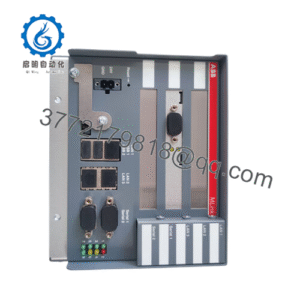
The Allen-Bradley 1768-L43S is a Compact GuardLogix safety controller used for machine control where standard logic and safety logic run in the same processor family. It combines 2 MB of standard memory with 0.5 MB of safety memory and supports CompactLogix expansion.
It is used in applications that need safety-rated control without moving to a larger platform. The RS-232 programming port, CompactLogix expansion support, and GuardLogix safety task structure make it a practical CPU choice for compact safety systems.
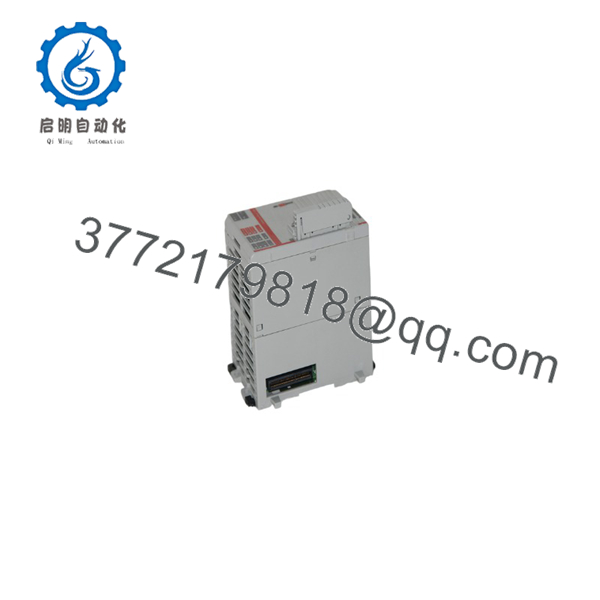
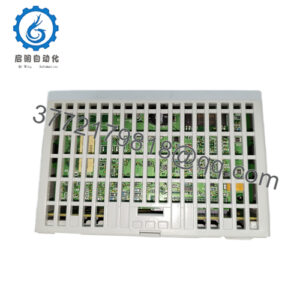
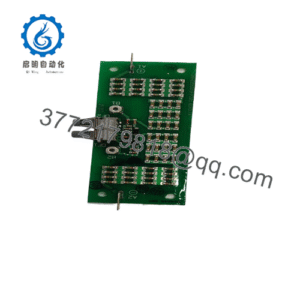
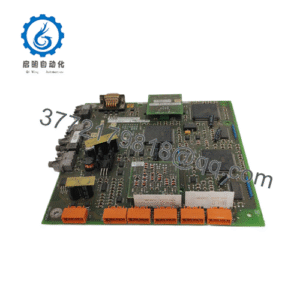
1768-L43S
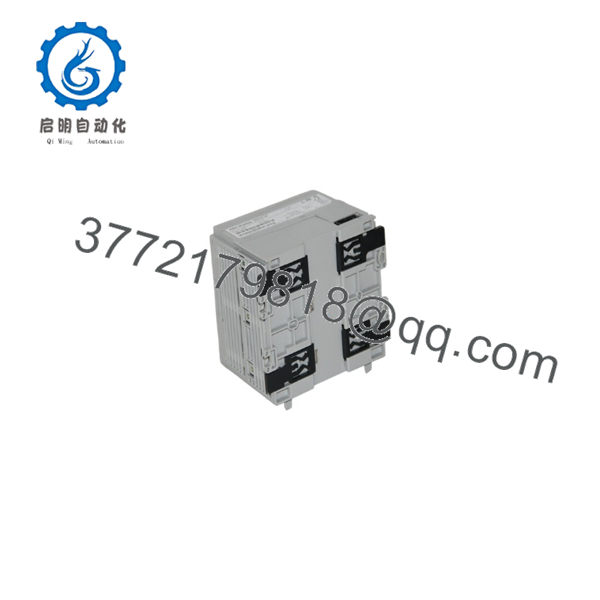
1768-L43S
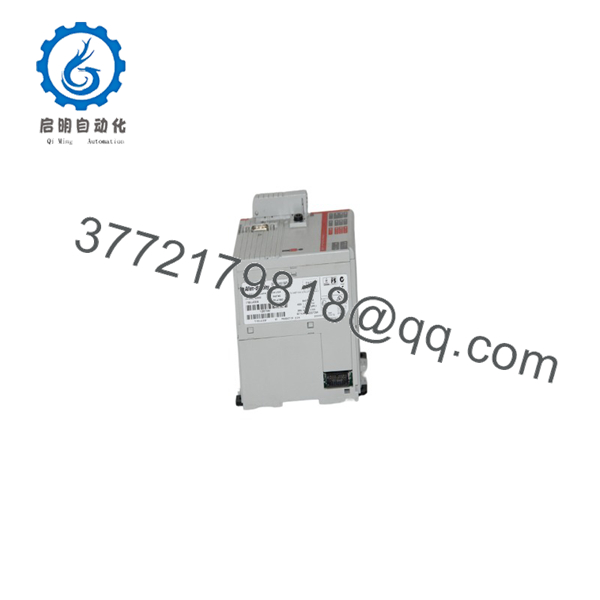
1768-L43S
Troubleshooting Quick Reference
| Symptom | Possible Cause | Relevance to this Part | Quick Check Method | Recommendation |
|---|---|---|---|---|
| No power-up LEDs | Missing supply, base issue, or failed controller | ✅ High | Measure chassis supply and inspect the controller seating | Verify power and base hardware first |
| Safety task will not go RUN | Safety signature mismatch or invalid safety program | ✅ High | Check the safety diagnostics in RSLogix/Studio 5000 | Re-verify the safety project before swapping hardware |
| RS-232 programming port does not connect | Wrong cable, baud rate, or serial settings | ✅ High | Confirm the cable type and serial parameters | Check the port settings before assuming a CPU fault |
| Controller faults during startup | Corrupt program, memory issue, or incompatible module mix | ✅ High | Read the fault code and compare installed modules | Back up the project and isolate configuration issues |
| I/O does not respond | Expansion module problem, wiring issue, or logic interlock | ⚠️ Medium | Check input/output status bits and expansion bus health | Verify field wiring and module seating first |
| Excessive heat in cabinet | Poor ventilation or overcurrent on backplane | ⚠️ Medium | Measure cabinet temperature and current draw | Improve cooling and check load budget |
| Safety outputs drop unexpectedly | Safety circuit fault, safety input discrepancy, or invalid reset logic | ✅ High | Review the safety fault history and input state | Do not bypass safety logic; correct the root cause |
If you are stuck, send support photos of the LED status, controller fault screen, and cabinet layout.
Frequently Asked Questions
Q: Is the 1768-L43S a safety controller?
A: Yes. It is a Compact GuardLogix safety processor, so it handles both standard control and safety tasks in the same platform.
Q: Does it have Ethernet built in?
A: No. This model has no embedded network port. If your design needs Ethernet, you use the supported communication modules or a different controller variant.
Q: How much memory does it have?
A: It provides 2 MB of standard memory and 0.5 MB of safety memory. That is enough for many compact safety machine applications, but you should still check your program size before buying.
Q: Can I use it with 1769 I/O modules?
A: Yes, it supports up to 16 1769 I/O modules and up to 2 1768 modules. That is one of the reasons it fits compact GuardLogix systems.
Q: Is this model obsolete?
A: It is a legacy platform, so a lot of market stock is surplus rather than current production. That does not make it unusable, but it does mean you should verify series and firmware compatibility carefully.
Q: What should I check before replacing one?
A: Check the exact controller revision, safety project signature, power supply model, and connected expansion modules. For a safety CPU, that matters more than almost anything else.
Q: Why is it often sold as New Surplus?
A: Because it is older inventory that was never installed or was left over from a project. New Surplus stock is common for industrial safety processors that are no longer a current production buy.