 WhatsApp: +86 16626708626
 Email:
  Phone: +86 16626708626
Description
Key Technical Specifications
| Parameter | Value |
|---|---|
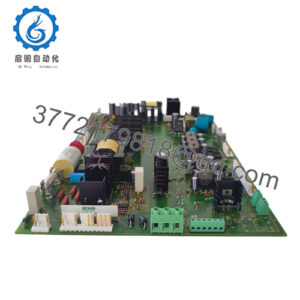
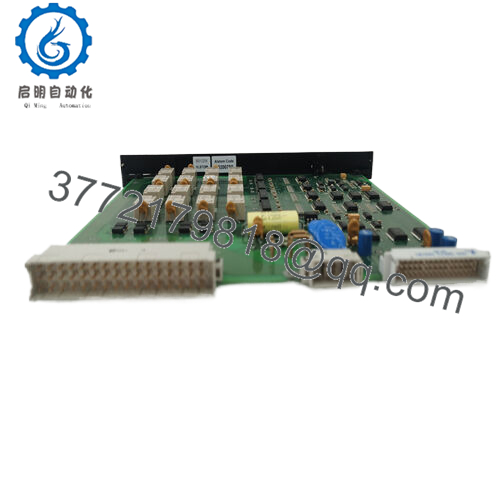
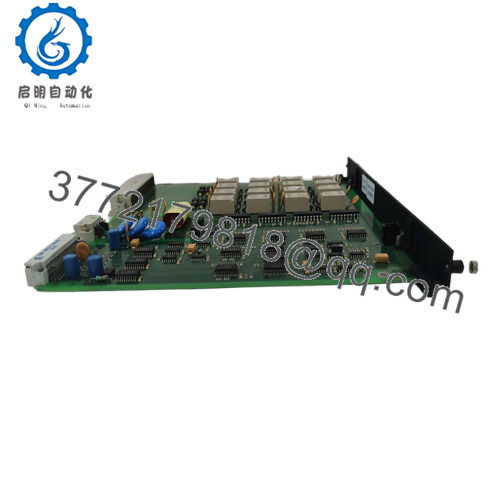
| Product type | Intensity and fault detection board |
| Manufacturer | Alstom |
| Model reference | D-984-0578 |
| Board code | CPL 05-41 |
| Physical note | Compact PCB assembly; exact carrier/interface must be verified |
| Primary function | Monitor intensity and alarm faults |
| Application area | Industrial control, power systems, and related legacy automation platforms |
| Replacement profile | Exact-match legacy board replacement |
| Lifecycle profile | High obsolescence risk; confirm revision before procurement |
| Stocking strategy | Keep buffer stock for critical assets; consider cross-site sharing and last-time-buy planning |
Product Introduction & Supply Chain Strategy
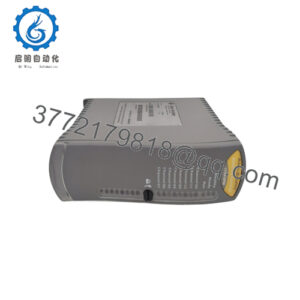
Alstom D-984-0578 is a legacy intensity and fault detection board used in industrial control and energy-system applications. It is typically tied to an older installed base where exact board compatibility matters more than generic electrical fit.
Buying this as New Surplus is a practical supply-chain choice when uptime, traceability, and exact-match replacement are priorities. It reduces stock-out exposure, supports faster recovery from failure, and avoids the hidden risk of uncertain prior-use inventory. For this type of board, buffer stock is usually cheaper than downtime.

- D-984-0578
Installation & Configuration Guide
Stage 1: Pre-Installation
- Apply lock-out/tag-out and confirm the cabinet is safe to open.
- Use an ESD strap, insulated tools, and a camera for documentation.
- Photograph the board orientation, connector positions, and all wiring before removal.
- Verify the exact D-984-0578 revision and CPL code before proceeding.
Stage 2: Removal
- Make sure all relevant circuits are fully de-energized.
- Label every conductor before disconnecting it.
- Remove the board straight out to avoid damaging the connector or backplane pins.
- Inspect the board seat and surrounding hardware for corrosion, heat stress, or contamination.
Stage 3: Installation
- Replicate the original wiring and board orientation exactly.
- Seat the replacement evenly and fully.
- Reconnect all terminals according to the documented photos, not memory.
- Confirm any jumpers or configuration points before energizing.
Stage 4: Power-On & Testing
- Restore control power and verify the supply rails are normal.
- Confirm the board initializes without alarms.
- Test the fault detection and intensity response in a controlled check.
- Return the system to service only after a complete functional test.
Firmware/Software Versions & Upgrade Notes
This board appears to belong to a legacy Alstom platform, so version compatibility should be treated carefully. The safest approach is to preserve the original configuration and avoid introducing changes during a routine swap.
If the replacement revision differs from the installed hardware, communication or signal-handling differences can appear even when the part number looks close. Upgrading or downgrading during replacement can create avoidable commissioning issues. Record the original board revision, terminal map, and any host-system references before installation.
Frequently Asked Questions
Is this really new, or is it refurbished?
It should be treated as New Original / New Surplus inventory, not refurbished. For a legacy board, that distinction matters because hidden wear can surface later as intermittent faults.
Why is it cheaper than OEM new but higher than refurb?
New Surplus usually comes from excess inventory or dormant stock, not current production. That keeps it below OEM list pricing while staying above uncertain prior-use market stock.
Is D-984-0578 obsolete?
It should be treated as a legacy or EOL-risk spare until the installed base is confirmed. That means procurement should focus on continuity and traceability.
Can I hot-swap it?
Do not assume hot-swap capability. Isolate power first unless the site procedure explicitly allows live maintenance.
Will settings transfer automatically?
No. You should document and replicate wiring, board orientation, and any configuration points manually during replacement.
What warranty should I expect?
Warranty depends on the supplier and traceability package. For this class of part, written warranty and serial verification matter more than verbal claims.
How should I stock it?
For critical assets, keep 1 to 2 units on-site as buffer stock. For slower-moving demand, cross-site sharing and last-time-buy planning usually provide better Total Cost of Ownership.