WhatsApp: +86 16626708626
 Email:
  Phone: +86 16626708626
Description
Key Technical Specifications
- Manufacturer: ALSTOM, also listed by distributors under Converteam / ALSTOM
- Model Number: DFI-150-0003
- Product Description: Limelight diagnostic flame indicator circuit board
- Product Category: Combustion diagnostic / flame-indication PCB
- Primary Function: Provides local diagnostic indication associated with a flame-detection system
- Typical Installed Environment: Combustion equipment, burner-management assemblies, and industrial turbine-related control applications
- System Association: Limelight diagnostic flame indicator system
- Mounting Method: Verify from the supplied unit; listings identify the item as a circuit board rather than a self-contained field device
- Field Connections: Verify connector type, pin count, mating harness, and terminal arrangement against the removed board
- Power Requirement: Not reliably published in verified source material; confirm from the equipment wiring diagram and the actual board label before energizing
- Signal Type: Flame-detection diagnostic and indicator signals; exact electrical interface requires OEM documentation or direct comparison with the existing board
- Lifecycle Status: Discontinued / obsolete legacy spare part
- Availability: Market availability depends on surplus and refurbished inventory; some distributor listings show used/refurbished and never-used inventory categories.
Product Introduction
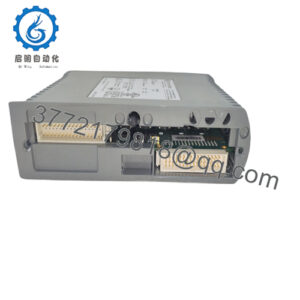
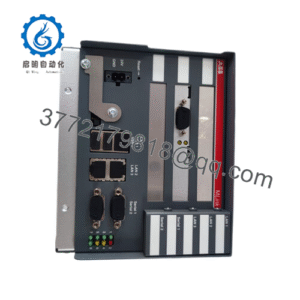
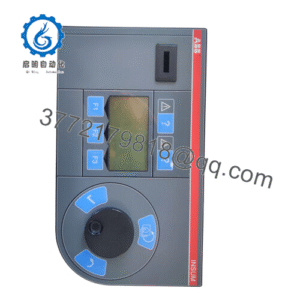
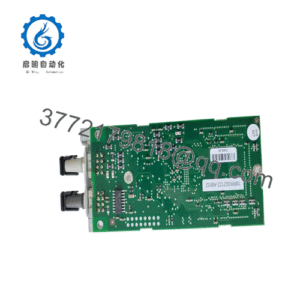
The ALSTOM DFI-150-0003 is a Limelight diagnostic flame indicator circuit board used to display or support diagnostics for industrial flame-monitoring equipment. Listings consistently identify the part as an ALSTOM flame indicator or Limelight diagnostic board, with potential use in combustion and turbine-related control environments.
This is a legacy replacement board, not a universal flame scanner or burner-management controller. Buyers should match the complete DFI-150-0003 part number, board layout, connectors, installed system name, and harness pinout before purchase. Do not substitute a board based only on similar appearance or a “flame indicator” description.
Troubleshooting Quick Reference
| Symptom | Possible Cause | Relevance to This Part | Quick Check Method | Recommendation |
|---|---|---|---|---|
| Flame indication remains off with burner proven lit | Failed UV/IR flame scanner, dirty sight glass, scanner alignment issue, wiring fault, failed DFI board | ⚠️ Medium | Verify flame independently through the burner-management system. Inspect the scanner lens, sight pipe, scanner cable, and flame relay or controller status before touching the board. | Clean and align the scanner, then verify field wiring. Replace DFI-150-0003 only after confirming a valid flame signal reaches the diagnostic assembly. |
| Flame-failure trip occurs immediately after ignition | No stable flame, incorrect fuel-air ratio, ignition sequence fault, scanner signal below threshold, wiring fault | ❌ Usually low | Review burner-management sequence logs and confirm actual flame establishment. Measure scanner output only using the manufacturer-approved method and test equipment. | Treat this first as a combustion or scanner problem. Do not bypass flame protection to keep the burner running. |
| Indicator remains on after flame extinguishes | Stuck relay, failed scanner electronics, shorted signal cable, contaminated sensor, failed input stage on board | ✅ Medium | Shut down safely, verify that the flame is extinguished, then compare the flame-controller status with the DFI indication. Disconnect the signal source only under an approved lockout/test procedure. | Investigate the scanner and cable first. If the external signal clears but the board indication remains active, DFI-150-0003 may be defective. |
| No indicator lights or display activity | Missing control power, blown fuse, failed power supply, loose connector, failed board | ⚠️ Medium | Measure the specified supply at the board connector using the equipment schematic. Check upstream fuses, cabinet supply status, and connector engagement. | Correct supply and connector faults before replacing the board. Do not guess the voltage from a reseller listing. |
| Intermittent flame indication during vibration or temperature changes | Loose connector, cracked solder joint, deteriorated harness, marginal scanner signal, board fault | ✅ Medium | With the process safely shut down, inspect connectors for oxidation and strain. Review burner logs for correlation with vibration, warm-up, or cabinet temperature. | Reseat and inspect the harness. If the fault follows the board after external wiring checks, replacement is justified. |
| New replacement board does not operate | Incorrect revision, connector mismatch, damaged backplane or harness, missing configuration, ESD damage | ✅ High | Compare front and rear board photographs, component population, connector keying, label data, and installation position with the removed DFI-150-0003. | Stop before forcing installation. Request unit photos and verify revision compatibility with the system OEM or turbine/burner documentation. |
| Burner controller shows healthy flame signal but local DFI indicator is wrong | Failed diagnostic board, indicator circuit fault, interface wiring mismatch | ✅ High | Compare the burner-management controller’s flame-proven status with the DFI board’s indication at the same moment. Check continuity of the interconnecting harness. | If controller status and wiring are correct but DFI status disagrees, the is a credible replacement candidate. |
| Flame signal disappears after board swap | Incorrect harness reconnection, damaged pin, incompatible board revision, connector not fully seated | ✅ High | De-energize under approved procedure. Compare every harness connection to pre-removal photos and inspect pins for push-back, corrosion, and bent contacts. | Reinstall only after confirming pin-for-pin wiring. Do not wire from memory; flame circuits are safety-related. |
❗ Critical warning: Never jumper, bypass, or force a flame-proven signal to keep a burner or turbine combustor online. A flame-detection circuit exists to prevent fuel admission when combustion is not proven. Troubleshoot under the site’s burner-management, turbine-control, and lockout/tagout procedures.
If the fault remains unclear, provide technical support with photos of the board front and rear, all label markings, connector views, system fault codes, burner-management logs, and the measured supply voltage at the board connector.
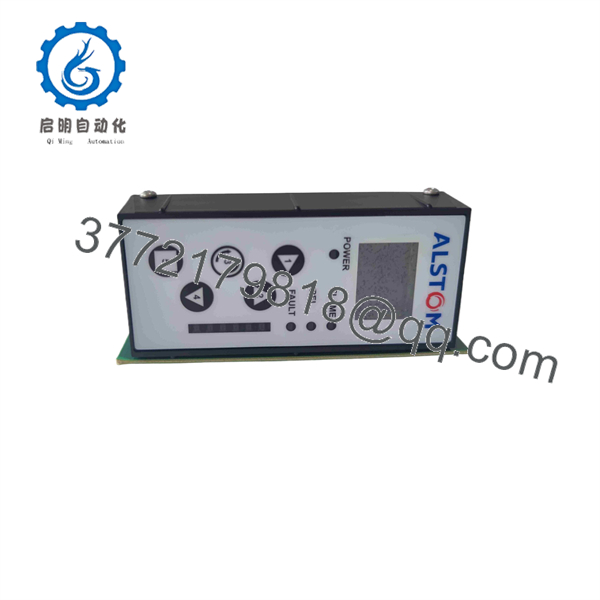
DFI-150-0003
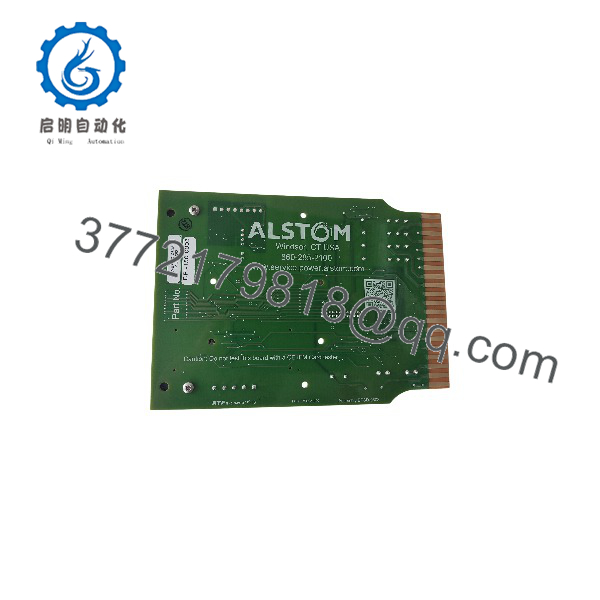
DFI-150-0003
Frequently Asked Questions
What is the ALSTOM used for?
The is identified in available distributor and surplus listings as an ALSTOM Limelight diagnostic flame indicator circuit board. Its role is associated with displaying or diagnosing a flame-detection condition in an industrial combustion-related control system.
Is a complete flame scanner?
No. Available listings describe it as an indicator or circuit board, not as a complete field-mounted UV or IR flame scanner. The actual flame scanner, optical sight path, burner-management controller, cabling, and this diagnostic board may all be separate parts of the complete flame-safety chain.
Is the ALSTOM obsolete?
Yes. The model should be handled as a discontinued legacy spare part. One supplier explicitly states that production has been discontinued, while other distributors list limited refurbished, never-used, or out-of-stock inventory. Actual availability changes by supplier and should be confirmed against photos of the physical unit.
Can I replace the board while the burner is operating?
No. Do not remove or install this board while the burner, combustion system, or associated safety circuit is operating unless the OEM documentation specifically permits a controlled replacement procedure. For most legacy control assemblies, isolate power, follow lockout/tagout, verify the fuel train is safe, and use the site-approved burner-management procedure.
Is a direct replacement for every Limelight flame indicator board?
No. “Limelight” alone is not enough to establish compatibility. Match the full part number, , plus the board revision, connector count, connector keying, component layout, harness pinout, and installed equipment documentation. A mismatched diagnostic board may show false flame status or fail to communicate correctly with the existing system.
Can a bad flame scanner look like a failed board?
Absolutely. In field work, dirty scanner optics, poor scanner alignment, weak flame signal, damaged cable shielding, grounding faults, and failing scanner electronics cause more false diagnoses than the indicator board itself. Confirm a valid source signal and correct board supply before ordering a replacement.
Why is a New Surplus cheaper than factory supply?
These boards commonly enter the market through unused maintenance inventory, decommissioned turbine or combustion-control assets, distributor overstock, and liquidation channels. The price can be lower because the OEM no longer manufactures the part, not necessarily because the unit is defective. Ask for exact-unit photos, label confirmation, packaging photos, traceability details, a written warranty, and a documented functional test.
What testing should a supplier perform before shipping a refurbished ?
A proper evaluation should include inbound visual inspection for corrosion, damaged connectors, rework marks, and heat damage; label and serial-number documentation; connector-pin inspection; controlled power-up in a compatible test fixture where available; verification of indicator response using approved simulated input conditions; and a final QC record. For a safety-related flame diagnostic assembly, a bench test does not replace on-site commissioning and proof testing under the OEM burner-management procedure.