WhatsApp: +86 16626708626
 Email:
  Phone: +86 16626708626
Description
Key Technical Specifications
- Manufacturer: Alstom (EPIC III series)
- Model: EP3-E-4-A
- Application: Electrostatic precipitator (ESP) master control and protection
- Processor: 32-bit industrial real-time microprocessor (Power-PC based in many EPIC III units)
- Memory: Onboard flash/RAM for control logic and configuration (typical 512 KB range in EPIC III family)
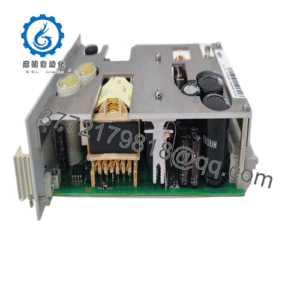
- Power Supply: 100–240 VAC, 50/60 Hz (some docs cite 85–264 VAC universal input)
- Power Consumption: ~12–30 W depending on configuration and I/O loading
- Digital Inputs: Up to 16 × 24 VDC discrete inputs (onboard, via terminal blocks)
- Analog Inputs: Typically 8 × 0–20 mA / 4–20 mA (some configs 0–10 V)
- Analog Outputs: 4 × 4–20 mA (thyristor gate firing, rapping control, setpoint outputs)
- Communication:
- RS-485 serial (Modbus RTU)
- 10/100 Ethernet for SCADA/DCS interface
- Internal backplane bus for EPIC III I/O expansion racks
- Control Functions: Spark-rate management, back-corona suppression, rapping sequencing, HV setpoint control, interlocks, and fault logging for ESP fields
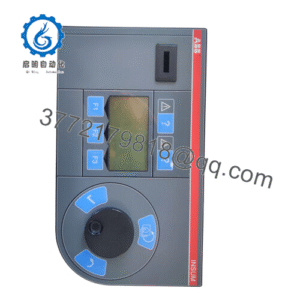
- Diagnostics: Front-panel LED status indicators; internal watchdog; event/fault logging; self-test
- Operating Temperature: −10 to +60 °C (cabinet-mounted); some docs −20 to +70 °C
- Storage Temperature: −20 to +70 °C (typical)
- Humidity: 5–95% RH non-condensing
- Protection Class: IP20 (indoor cabinet installation only)
- Mounting: 19-inch rack slot / panel-mount metal housing (EPIC III chassis)
- Dimensions: Approx. 240 × 180 × 120 mm (varies by source; some list larger rack assemblies)
- Weight: ~1.45–5.6 kg depending on whether listed as module-only or full rack assembly
Product Introduction
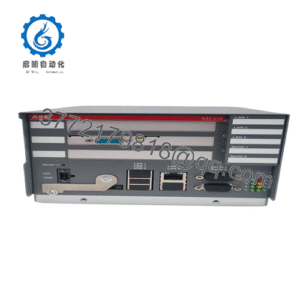
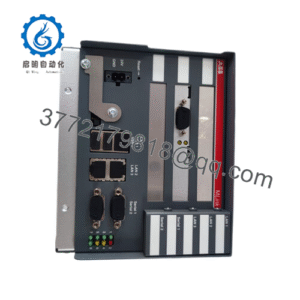
The Alstom EP3-E-4-A is an EPIC III-series microprocessor-based controller designed specifically for electrostatic precipitator (ESP) systems in power plants and heavy industry. It manages HV setpoints, spark-rate control, rapping sequences, and interlocks while providing analog and digital I/O and networked communication to plant DCS/SCADA.
This module is kept in service on legacy ESP installations where the control strategy, wiring, and communication are already engineered around EPIC III. Replacing a failed unit with an identical EP3-E-4-A avoids reprogramming, rewiring, and re-commissioning effort that a modern PLC/DCS migration would require.
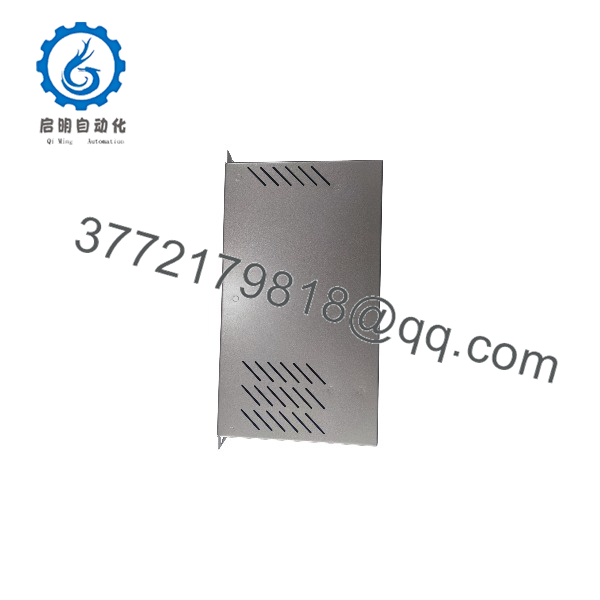
EP3-E-4-A
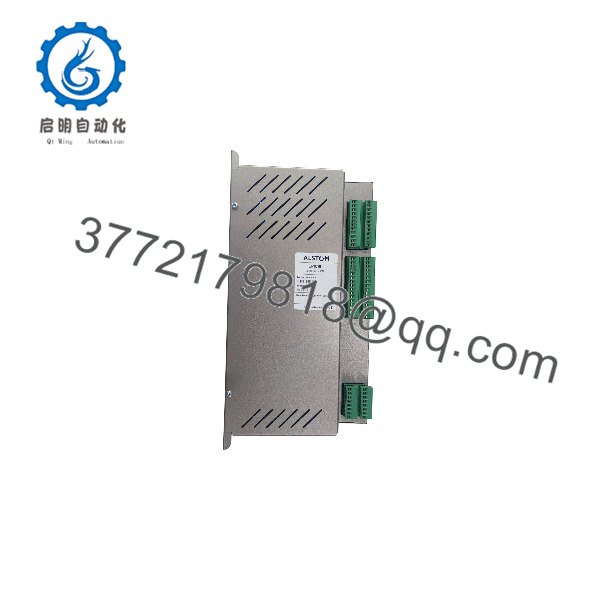
EP3-E-4-A
Troubleshooting Quick Reference
| Symptom | Possible Cause | Relevance to this Part | Quick Check Method | Recommendation |
|---|---|---|---|---|
| No LEDs, controller appears dead | AC supply missing, wrong voltage, or blown fuse | ✅ High | Measure 100–240 VAC at power terminals; check polarity (if DC variant), fuses, and upstream breaker | Restore correct supply and verify fuse before touching comms or I/O |
| “Comm Fail” or no data to DCS/SCADA | IP/gateway misconfiguration, cable fault, or port failure | ✅ Medium | Ping Ethernet port; check RS-485 wiring, termination, and baud rate; verify Modbus address | Correct network/serial settings first; swap patch cable; then suspect controller comms hardware |
| ESP field not firing, no HV output | Controller in fault/trip, interlock open, or thyristor drive fault | ✅ High | Review fault log via local interface or SCADA; check digital inputs for interlocks (door switches, gas flow, etc.) | Clear interlocks and faults; if controller still inhibits firing, test with known-good EP3-E-4-A |
| Rapping outputs not operating | Output configuration error, relay/driver fault, or wiring issue | ✅ Medium | Force rapping outputs from controller diagnostics; measure output at terminals | If forced outputs do not energize, suspect controller output stage or external relay/driver |
| Erratic spark control or unstable operation | Noise/EMI, grounding issue, or corrupted configuration | ✅ Medium | Inspect grounding of controller chassis and ESP cabinet; review configuration backup vs. site standard | Improve grounding/shielding; reload known-good configuration; if instability persists, evaluate hardware |
If you are unsure, photograph the nameplate (EP3-E-4-A), power and comms wiring, and fault logs, then share ESP type and existing configuration details with technical support.
Frequently Asked Questions (FAQ)
Q: What is the EP3-E-4-A actually used for?
A: It is the main controller for Alstom EPIC III-based electrostatic precipitator systems. It handles logic, HV setpoint control, spark management, rapping, and interfacing to the plant DCS/SCADA—not a general-purpose PLC.
Q: What supply voltage does it need?
A: Most documentation lists 100–240 VAC, 50/60 Hz (some cite 85–264 VAC universal). Always verify the nameplate on your specific unit before applying power, especially if replacing an older module.
Q: Can I use this in a non-ESP application?
A: Technically it has digital/analog I/O and comms, but the firmware and function blocks are tailored to ESP control. For general automation, a standard PLC/DCS is a better fit; this module is best kept as a like-for-like ESP replacement.
Q: Does it support Ethernet and serial at the same time?
A: Yes. T configurations provide both 10/100 Ethernet and RS-485 (Modbus RTU), allowing parallel connection to SCADA and field devices or gateways.
Q: Is this still a current-production product?
A: No. The EPIC III platform is legac is discontinued and sourced as surplus, refurbished, or repaired stock. Treat it as a legacy spare for existing ESP systems.
Q: Can I r with another EPIC III module?
A: Only if the replacement has the same function and I/O set (ESP controller vs generic CPU or I/O module). Mixing different EPIC III module types can lead to missing features or incompatible backplane behavior. Match the exact part number where possible.
Q: What condition are available units in?
A: Listings vary between new surplus, new old stock, and refurbished/tested. For critical ESP control, request test details (power-up, comms, I/O check, fault simulation) and confirm firmware/configuration compatibility with your existing system.