Sale!

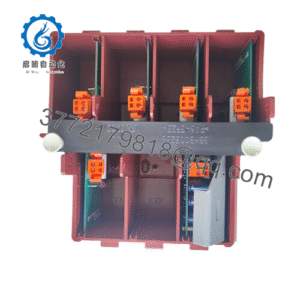
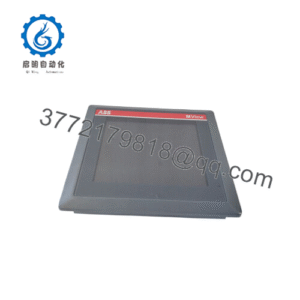
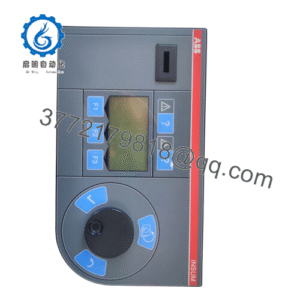
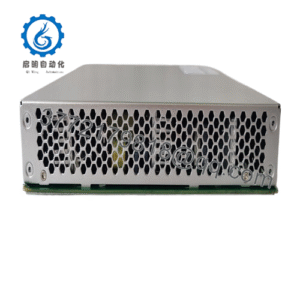
Eaton MTL831C 16-Channel Hazardous-Area Analog Transmitter

  • Model: MTL831C
  • Brand: Eaton / MTL
  • Series: MTL830C Temperature Multiplexer System
  • Core Function: Hazardous-area temperature and mV signal acquisition
  • Product Type: Analog transmitter / temperature multiplexer transmitter
  • Key Specs: 16 configurable input channels; TC, RTD, mV, and potentiometer inputs; loop-powered data highway
  • Condition: New Original / New Surplus
  • ⚠️ Obsolete Model – Limited Stock Available
Categories: , , , , SKU: MTL831C Brand:

Description

Key Technical Specifications

Parameter Value
Model MTL831C
Manufacturer Eaton / MTL
Product family MTL830C Temperature Multiplexer System
Function Analog transmitter for hazardous-area sensor inputs
Input channels 16, software-configurable mixed inputs
Supported inputs Thermocouples, mV signals, 2-, 3-, or 4-wire RTDs, potentiometers
mV input range Up to ±100 mV
RTD range Pt100: −200 to +850°C; Cu50: −200 to +200°C
Potentiometer range Up to 550 Ω
Communication Single shielded twisted-pair data highway to MTL838C receiver
Power Loop-powered through the data highway; no separate hazardous-area supply
Multi-transmitter capability 1 or 2 MTL831C transmitters per MTL838C receiver
Typical response time 500 ms from input to Modbus register
Intrinsic-safety parameters Ii = 250 mA; Pi = 1.2 W; Ci = 0; Li = 0
Ambient operating temperature −40 to +70°C
Storage temperature −40 to +85°C
Weight 0.26 kg
Terminals Fixed screw terminals
Certifications ATEX, IECEx, FM
Hazardous-area installation Suitable for Zone 0 hazardous areas when installed per certification requirements

The MTL831C requires an MTL838C or MTL838C-MBT receiver. For intrinsically safe installations, use an approved safe-area galvanic isolator such as the MTL5553 or MTL5053.

Product Introduction

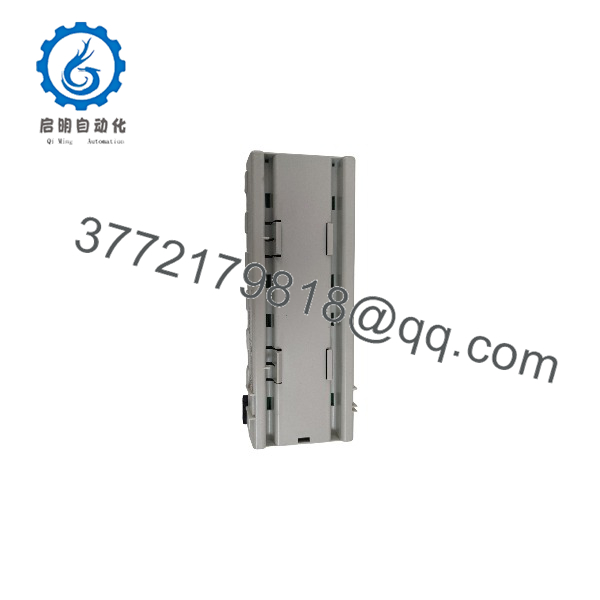
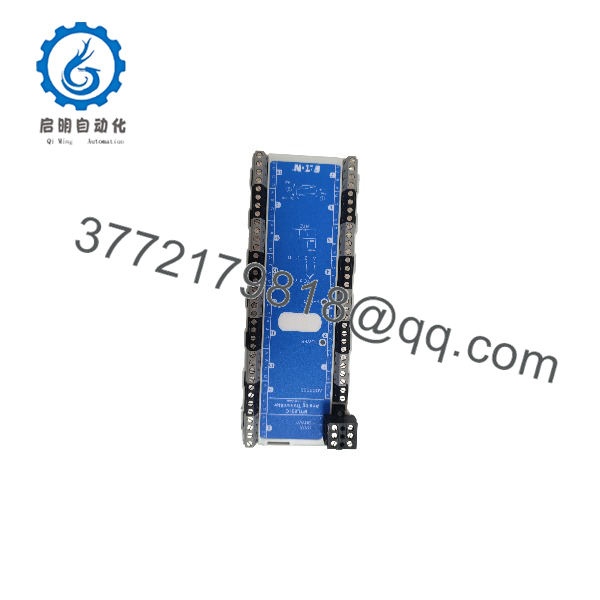
The Eaton MTL831C is a 16-channel intrinsically safe analog transmitter for the MTL830C temperature multiplexer system. It accepts thermocouple, millivolt, RTD, and potentiometer signals from hazardous-area field sensors and transfers them to a safe-area MTL838C receiver over one shielded twisted-pair cable.

Because the data highway both powers and communicates with the transmitter, it eliminates a separate field power supply. The 16 channels are software-configurable, making the MTL831C suitable for mixed TC, RTD, mV, and potentiometer measurements feeding DCS, PLC, or SCADA systems through the receiver’s Modbus interface.
 MTL831C
MTL831C

 MTL831C

MTL831C

Troubleshooting Quick Reference

Symptom Possible Cause Relevance to this Part Quick Check Method Recommendation
No communication to MTL838C Reversed data-highway polarity, broken cable, isolator fault ✅ High Verify + and − polarity at transmitter, isolator, and receiver; test shielded twisted-pair continuity Correct wiring and isolator before replacing the MTL831C
All 16 channels invalid or open Transmitter not receiving power through the data highway ✅ High Confirm MTL838C receiver configuration and isolator output; measure data-highway voltage/current Check MTL5553/MTL5053 isolator and receiver configuration
One channel reads open Field sensor, extension lead, or terminal fault ❌ Low Measure sensor resistance or mV directly at the MTL831C terminals Repair or replace the field sensor first
Incorrect temperature reading Wrong channel type, TC type, RTD wiring, or range configuration ✅ Medium Compare configured sensor type and range with the actual field device Reconfigure the channel in MTL83xC software
Intermittent readings Loose screw terminal, damaged shield, or ground-loop issue ✅ Medium Re-torque terminals; inspect cable shield and grounding arrangement Re-terminate cable and correct shield grounding
Second transmitter not recognized Duplicate or incorrect transmitter address ✅ High Check address jumpering, especially for the second MTL831C Set the second transmitter address jumper between terminals 7 and 8 (A and S) as required
Corrosion, moisture, or cracked housing Enclosure sealing or cable-gland failure ✅ High Inspect housing, terminals, glands, and cable entries Replace the transmitter and correct enclosure sealing

❗ Do not replace the MTL831C based on one bad channel alone. Sensor wiring, loose terminals, and incorrect MTL838C configuration cause most single-channel problems. If the fault persists, send photos of the transmitter, field wiring, MTL838C configuration, and diagnostic logs to technical support.


Frequently Asked Questions

Can I use the Eaton MTL831C without an MTL838C receiver?
No. The MTL831C is the field-side transmitter only. It needs an MTL838C or MTL838C-MBT receiver in the safe area for configuration, data collection, and the Modbus interface to your control system.

Can one MTL838C receiver support two MTL831C transmitters?
Yes. One MTL838C supports one or two MTL831C transmitters, for up to 32 total sensor inputs. The second transmitter must have its address configured correctly.

Does the MTL831C need a separate 24 V DC field power supply?
No. It is loop-powered through the data highway. That reduces hazardous-area wiring, but the data-highway cable, isolator, and receiver must be correctly selected and configured.

Can I install the MTL831C in a Zone 0 hazardous area?
Yes. It is intrinsically safe and carries ATEX, IECEx, and FM certification. The complete installation must follow the applicable certificate and MTL system documentation, including use of an approved safe-area isolator.

Can I mix thermocouples, RTDs, and potentiometers on the same unit?
Yes. The 16 channels are software-configurable. Confirm the sensor type, wiring format, and measurement range in the MTL838C configuration before commissioning.

Is the MTL831C a direct replacement for an MTL831B?
For MTL830B-to-MTL830C system migrations, Eaton’s guidance is to replace each MTL831B with an MTL831C and move the sensor and data-highway wiring to the corresponding terminals. Verify address jumpering and receiver configuration before startup.

Why is New Surplus less expensive than factory-new stock?
New Surplus means genuine Eaton/MTL inventory manufactured earlier but not installed or commissioned. We inspect, document, and functionally verify each unit before shipment. It is not used, repaired, or refurbished stock unless clearly stated on the product page.