 WhatsApp: +86 16626708626
 Email:
 Phone: +86 16626708626
Description
Key Technical Specifications
| Parameter | Specification / Value |
| Model Number | LCP100 |
| Manufacturer | Emerson Process Management |
| System Compatibility | Emerson DeltaV Distributed Control System (DCS) |
| Operating Voltage | 24 V DC (±10%) |
| Power Consumption | Approx. 10 W |
| Display / Interface | High-contrast LCD graphic screen with membrane function keys |
| Communication Bus | Redundant Fieldbus / Serial RS-485 / CANbus interface |
| Ingress Protection | IP65 / NEMA 4X front panel rating |
| Enclosure Material | Heavy-duty polycarbonate / aluminum die-cast housing |
| Operating Temperature | −20 °C to +60 °C (−4 °F to +140 °F) |
| Vibration / Shock Rating | Meets IEC 60068-2-6 industrial standards |
| Unit Weight | 1.8 kg (3.97 lbs) |
Product Introduction & Supply Chain Strategy
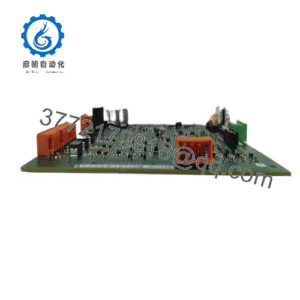
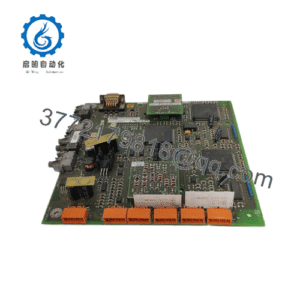
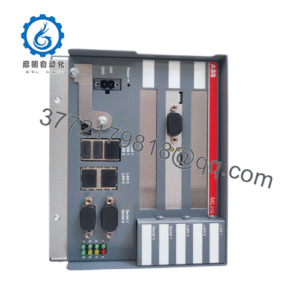
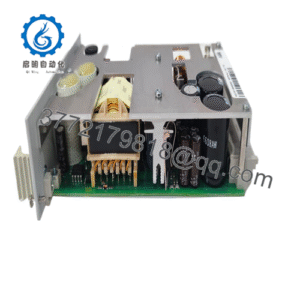
The Emerson LCP100 is an industrial Local Control Panel engineered for the DeltaV Distributed Control System (DCS) platform. It provides localized operator interaction, manual device override, loop status monitoring, and emergency local intervention directly at the field skid or valve manifold level without requiring remote central control room access.
Because legacy DeltaV hardware components face transition windows or extended lead times from OEM channels, maintaining authentic New Surplus LCP100 modules on hand is a critical supply-chain safeguard. Relying on used or refurbished display panels risks field failure from membrane key fatigue, backlighting burnout, or micro-cracks in front sealing gaskets that expose electronics to corrosive field atmospheres. Securing New Surplus units guarantees factory-grade environmental sealing, pristine displays, and full operational service life, preventing unexpected process interruptions.
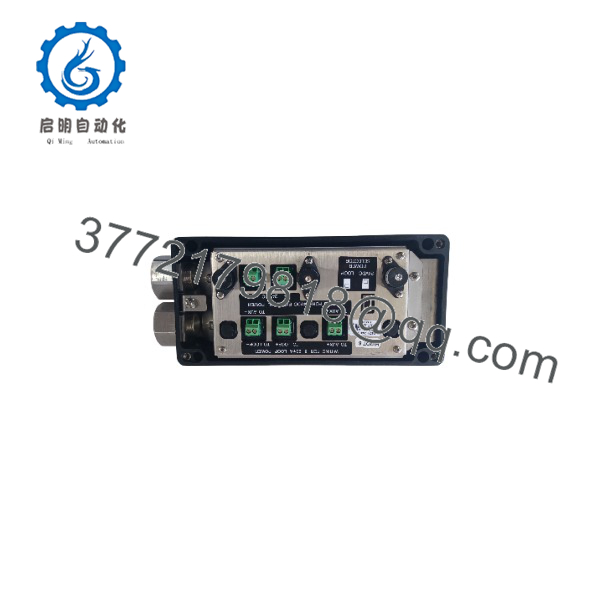
LCP100
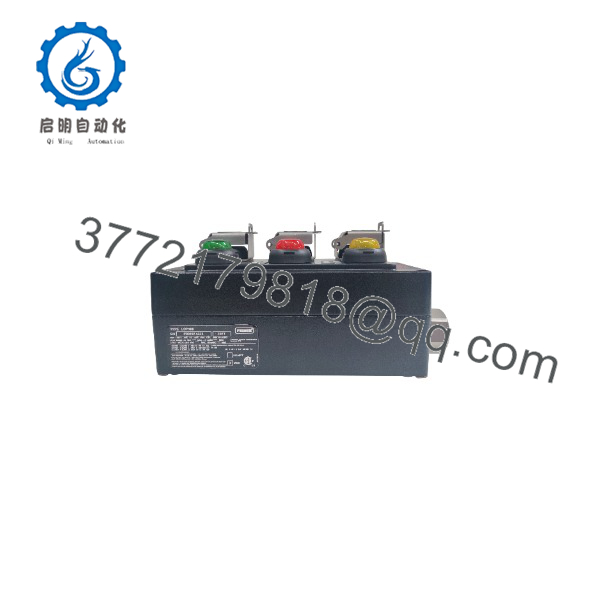
LCP100
Installation & Configuration Guide
Hazardous Area & Electrical Power Warning
Ensure local process equipment is placed in a safe manual state before servicing local controls. Verify that 24 V DC loop power is disconnected using strict Lock-Out/Tag-Out (LOTO) procedures. If installed in classified hazardous locations (Class I, Div 2 / Zone 2), ensure the area is non-hazardous before opening the panel cover.
1.Pre-Installation & Area Clearance:5 mins.
Isolate 24 V DC power supplies and field communication buses. Put on a grounded ESD wrist strap before touching internal terminal wiring. Document existing cable connections, node address dip-switches, and terminal pinouts.
2.Demounting Outgoing Module:10 mins.
Unscrew panel mounting brackets or panel cutout clamps. Disconnect communication bus plugs, power terminals, and grounding straps. Carefully remove the old LCP100 module from the panel enclosure cutout.
3.Hardware Setup & Panel Mounting:10 mins.
Inspect the front panel sealing gasket on the new LCP100 to ensure a tight IP65 seal against the panel cutout. Set the hardware node address switches on the rear board to match the original unit. Insert the module into the panel cutout and tighten mounting clamps evenly.
4.Wiring Reconnection & System Boot:10 mins.
Reconnect 24 V DC power leads, earth ground, and communication cables. Restore 24 V DC power and verify that the screen completes self-test initialization without communication error codes.
Verification: The DeltaV Explorer / Control Studio software must recognize the LCP100 node on the fieldbus segment, and local pushbuttons must reflect real-time status changes on the DCS workstation graphic interface.
Firmware/Software Versions & Upgrade Notes
- System Compatibility: Fully compatible with Emerson DeltaV v10.3 and later system releases supporting local operator panel nodes.
- Auto-Configuration: Device parameters and tag assignments download automatically from the primary DeltaV Controller database upon node address handshake during cold boot.
- Address Matching Precaution: Ensure rear address switches match the exact node assignment defined in DeltaV System Configuration before powering on the segment to prevent bus conflict alarms.
Frequently Asked Questions (FAQ)
Is this Emerson LCP100 unit genuine new stock or refurbished?
This module is Brand New Surplus. It is not a pulled panel, second-hand unit, or refurbished display. It features clean backplane contacts, pristine front membrane keys, and uncompromised internal power circuitry.
Why should our plant avoid buying refurbished local control panels?
Refurbished field panels often suffer from worn membrane switches, degraded LCD backlight lifespans, and dried-out rubber seals. Moisture or corrosive chemical ingress through a compromised gasket can short out internal logic boards, causing uncommanded field trips or total loss of local valve control.
Can the LCP100 be used outdoors in extreme weather conditions?
Yes. The front face is sealed to IP65 / NEMA 4X specifications, making it resistant to hose-directed water, dust, and outdoor weather exposure when properly flush-mounted in a suitable NEMA-rated enclosure.
Does replacing the LCP100 require reprograming the DeltaV controller?
No programming is required. As long as the hardware node address on the rear of the new LCP100 matches the old module, the DeltaV controller will automatically re-establish communication and map the field tags.
What warranty is provided with this New Surplus module?
Every New Surplus Emerson LCP100 module comes with a standard 12-Month Replacement Warranty. Prior to dispatch, each unit undergoes strict quality verification checks, including power-on display tests and communication port validation.