WhatsApp: +86 16626708626
 Email:
 Phone: +86 16626708626
Description
Key Technical Specifications
| Parameter | Value |
|---|---|
| Manufacturer | Foxboro (Schneider Electric) |
| Part Number | P0400VP (CMP10 — Communications Processor 10) |
| Platform | Foxboro I/A Series DCS |
| Product Type | Communications processor module |
| Memory | 16 MB SDRAM, 32 MB Flash |
| Supply Voltage | 24 VDC (typical, redundant voltage inputs) |
| Power Consumption | Max 8.5 W per non-fault-tolerant module |
| Operating Temperature | 0 to +60 °C (+32 to +140 °F) |
| Mounting | Panel-mounted I/A Series carrier/slot |
| Dimensions | 14.7 × 5.15 × 11.4 cm |
| Weight | Approx. 0.6 kg (shipping approx. 1.5 kg) |
| Hardware Revisions | Rev 0S, Rev 0T observed |
| Status | Legacy / discontinued hardware line |
Product Introduction
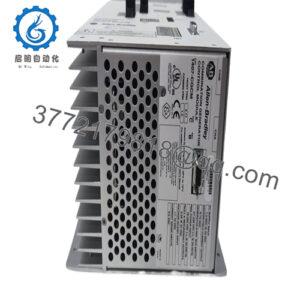
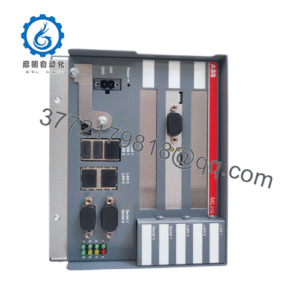
The Foxboro P0400VP-CMP10 is the Communications Processor 10 module for the I/A Series distributed control system. It carries 16 MB SDRAM and 32 MB Flash, runs on a redundant 24 VDC supply, and draws a maximum of 8.5 W — sitting in a panel carrier and managing the station’s communications role within the I/A network architecture, from peer-to-station traffic up through operator workstation connectivity. Operating range is 0 to +60 °C.
I/A Series systems run process plants that were built for 30-year lifespans, and Schneider’s support economics on legacy modules push plants toward the refurbished market for spares. The CMP10 is a known wear-and-rotation item in aging I/A panels — the onboard Flash and the 24 VDC input stage are the two components that age out first. When you need one, you need one that’s been through a real bench test, not a shelf-queen pulled from a decommissioned panel sight-unseen. Verify the hardware revision against your system software version before ordering; if you’re not sure, send us the module label photo and your I/A software release.
Troubleshooting Quick Reference
| Symptom | Possible Cause | Relevance to this Part | Quick Check Method | Recommendation |
|---|---|---|---|---|
| Module completely dead, no LEDs | 24 VDC supply or carrier slot fault | ❌ Low | Measure 24 VDC at the carrier power terminals with a multimeter; try the module in a known-good slot | Fix supply or carrier — module may be fine |
| Station drops off network intermittently | Module hardware fault (aging Flash / input stage) | ✅ High | Check system alarm history for repeated station loss tied to one slot; swap with a known-good CMP10 and see if the fault follows | If the fault follows the module, replace it |
| Network errors, CRC retries climbing | Cabling, tap, or network architecture fault | ❌ Low | Check coax/twinax connections and terminators per I/A cabling specs; isolate the segment and retest | Repair the network plant first — usually not the module |
| Module boots but station won’t load config | Firmware/software revision mismatch | ✅ High | Compare module hardware revision (0S vs 0T) and firmware against your I/A software release documentation | Match revision to system — do not force-mix |
| Random watchdog / processor resets | Supply sags or overheated panel interior | ✅ High | Log 24 VDC under load for dips below tolerance; measure panel interior temperature (spec is 0 to +60 °C); check cabinet fans and filters | Fix cooling and supply stability before blaming the module |
| Corrosion marks on module edge connector | Humid/contaminated panel environment | ✅ High | Visual inspection of edge connectors; measure with contact resistance if available | Replace module AND fix the panel environment — the next one will fail the same way |
Field reality: in aging I/A panels, two failure patterns dominate — clogged cabinet filters cooking electronics well past their design life, and 24 VDC supplies drifting out of tolerance as their own capacitors age. Both get misdiagnosed as “bad modules.” Bench the supply, clean the filters, then condemn the module. If you’re stuck, contact technical support with the module’s revision marking, your I/A software release, and the system alarm log — we’ll help isolate before you order.
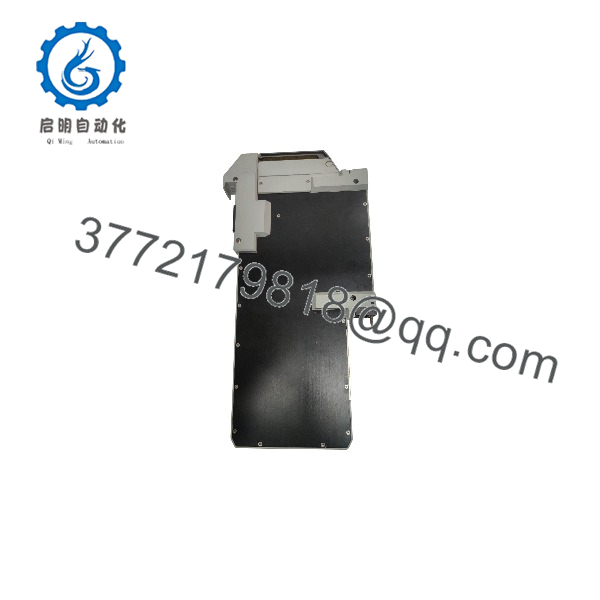
P0400VP-CMP10
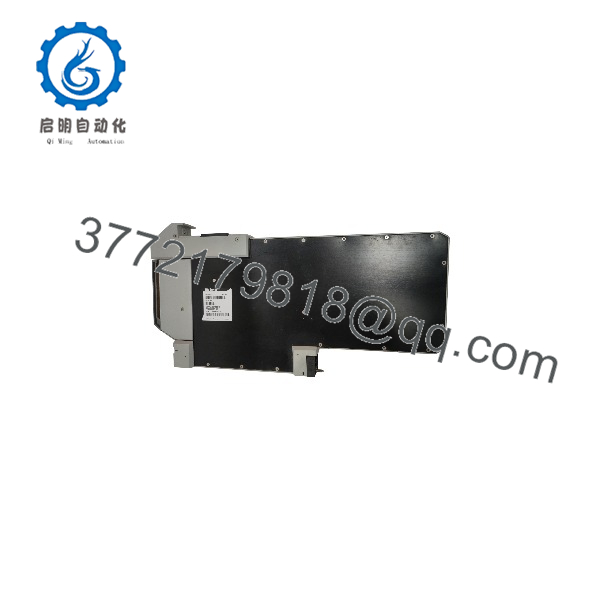
P0400VP-CMP10
Frequently Asked Questions
Q1: Is this module hot-swappable?
No — and this matters. The CMP10 is not a live-insertion module. Power down the affected station or isolate the carrier per your I/A Series maintenance procedure before pulling it. On a running DCS, yanking a communications processor hot means you drop every function that station was carrying — potentially an operator interface, potentially a control strategy’s network visibility. Follow the station shutdown sequence, document the slot and cable positions, then swap. It’s 15 minutes of procedure versus an unplanned unit trip. Not a hard choice.
Q2: Does the hardware revision (0S vs 0T) really matter?
For most maintenance swaps, both revisions work in a given carrier slot — but certain I/A Series software releases and certain redundant/fault-tolerant configurations expect a specific hardware revision, and mismatches show up as config load failures or intermittent comms that will cost you a weekend to chase. Don’t gamble. Read the revision off your existing module’s label, check it against your system documentation, and order the same one. If your documentation is thin (it happens on 25-year-old systems), send us the label photo and your I/A software release number, and we’ll confirm the right match before you pay.
Q3: What condition is this unit in, and why is it cheaper than Schneider’s channel?
This is discontinued-era hardware, so stock is Refurbished (tested) or New Surplus when we can source it. Every unit passes our I/A bench process: inbound inspection with serial and revision verification, visual inspection of the PCB and edge connectors for corrosion and rework marks, power-up on a calibrated 24 VDC supply with current draw checked against the 8.5 W spec, memory verification across the 16 MB SDRAM and 32 MB Flash, a communications handshake test against I/A test rack equipment, and a 24-hour continuous-run soak with thermal monitoring. Test reports, revision records, and photos are available before purchase. It’s cheaper because we source through surplus and refurbishment channels and test in-house — the hardware is genuine Foxboro; the supply route is the difference.
Q4: What warranty do you offer?
A 1-year replacement warranty covering functional failure under normal operating conditions — stable 24 VDC supply, panel interior within 0 to +60 °C, clean environment. Not covered: damage from supply excursions, overheating from inadequate cabinet cooling (we will ask for your panel temperature data if a failure looks thermal), connector damage from rough insertion, and liquid or corrosive atmospheres ingress. If a covered unit fails, we ship a replacement from stock immediately — no repair-queue wait on a line-down DCS.
Q5: Will my station configuration survive the module swap?
Yes. In the I/A architecture, the station’s configuration and software load live on the station’s storage, not permanently on the CMP10 — the module handles communications processing. After the swap and power-up, the station reloads and rejoins the network. Two precautions: back up the station configuration before you start (standard practice before any I/A hardware work), and expect a station reload cycle of several minutes on power-up — schedule the swap in a window where that station’s absence is acceptable, not mid-shift.
Q6: Do you ship internationally, and how fast?
Worldwide via DHL, FedEx, or UPS, typically within 1–2 business days for in-stock units. Legacy DCS spares stock moves in waves — when a plant buys, it often buys multiples, so availability shifts weekly. Every unit ships in anti-static bagging, bubble-wrapped, in a heavy-duty box with a QC Passed label, test date, and revision record. For a plant-down emergency, call us directly — we’ll confirm physical shelf stock and the same-day shipping cutoff before you commit to the order.