WhatsApp: +86 16626708626
 Email:
  Phone: +86 16626708626
Description
Key Technical Specifications
- Manufacturer: GE
- Part Number: 20836416
- Product Type: Control motherboard module / main control board / industrial control module
- Installation Format: Card-rack-mounted control board
- Primary Function: Receives and processes machine or system signals for monitoring and control
- Listed Application: GE control rack or industrial automation system
- Electrical Supply: Not reliably verified; do not use generic 220 V claims without the original GE schematic
- Communications: Not reliably verified; do not assume RS-485 or any protocol based on third-party reseller copy
- Firmware: Revision-specific; verify all EPROM, flash, FPGA, and board-label information before replacement
- Connector Layout: Application-specific; match all front, rear, ribbon-cable, and backplane interfaces
- Mechanical Compatibility: Confirm rack slot type, board guides, insertion depth, extractor hardware, and mounting arrangement
- Replacement Requirement: Match 20836416 plus board revision, serial-range requirements, component population, and firmware labels
Public resale records identify 20836416 as a GE card-rack item and as a GE control main board or control motherboard module. However, no accessible GE OEM datasheet or parts manual was retrieved. Several reseller pages attach generic claims such as 220 V operation, RS-485, dimensions, or PLC classification without supporting source documentation. Those values must not be used for design, wiring, or installation until verified against the installed board and GE equipment documentation.
Product Introduction
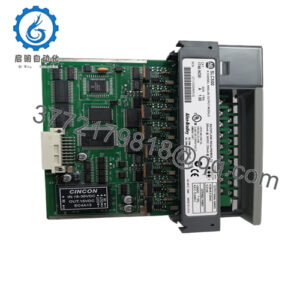
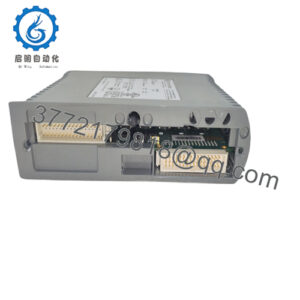
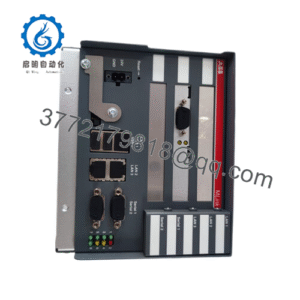
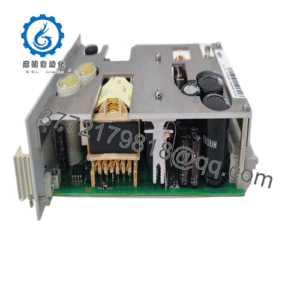
The GE 20836416 is a control motherboard module or main control board used in a GE industrial control rack. It serves as application-specific hardware for processing system signals and supporting machine monitoring or control functions. Resale listings also identify the item as a GE card-rack component, which indicates that rack and backplane compatibility are central to a correct replacement.
This board should be purchased as an exact replacement only after confirming the complete installed identification. The base number 20836416 does not confirm the required firmware, board revision, backplane pinout, daughterboard arrangement, or controlled-machine application. Match every visible label and connector before installation.
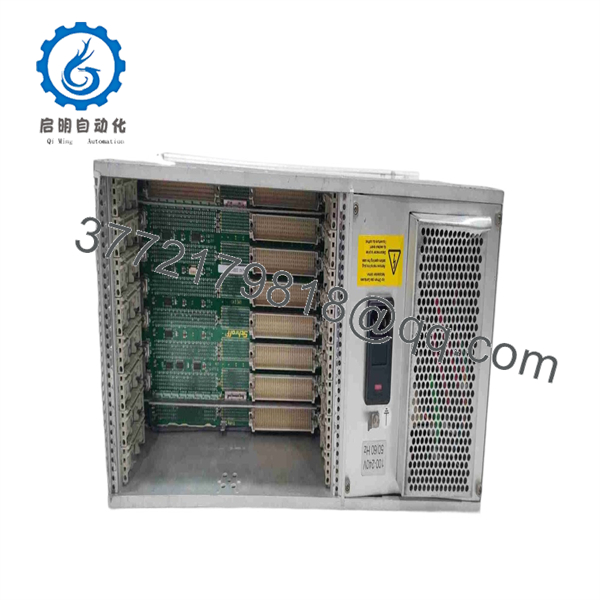
20836416
Troubleshooting Quick Reference
| Symptom | Possible Cause | Relevance to This Part | Quick Check Method | Recommendation |
|---|---|---|---|---|
| Rack does not power up | Failed rack power supply, blown fuse, open breaker, missing interlock, backplane supply fault | ❌ Usually Low | Measure the approved supply rails at the rack test points using the GE schematic; inspect rack fuses and supply indicators | Verify rack power and safety permissives before replacing 20836416 |
| Board has no status LEDs | Missing board supply, poor seating, damaged backplane contact, failed onboard regulator | ✅ High | Apply approved isolation procedures, remove and inspect the board edge contacts, then verify supply rails at the specified backplane points | Reseat the board and correct power issues before replacement |
| Controller boots but machine remains unavailable | Safety-chain trip, failed field I/O, external communications fault, incorrect configuration | ⚠️ Medium | Review controller fault history, safety relays, field I/O diagnostics, and interconnecting cables | Do not condemn the motherboard until external faults are cleared |
| Intermittent control fault or random reset | Weak power rail, heat-related component failure, connector oxidation, vibration, damaged backplane | ✅ High | Review event timestamps; inspect rack airflow and board seating; measure DC rails during startup and load transitions | Check power quality and rack contacts before changing the board |
| Fault starts immediately after installing replacement | Incorrect board revision, incompatible firmware, wrong slot, bent backplane pin, missing daughterboard | ✅ High | Compare old and replacement boards front and back: label data, revisions, EPROM stickers, jumpers, connectors, component population, and board-edge layout | Stop commissioning until every difference is resolved |
| One equipment subsystem is unresponsive | Failed I/O card, broken ribbon cable, field-device failure, control-board interface fault | ⚠️ Medium | Check local I/O diagnostics, cable continuity, and controller command status using the equipment wiring diagram | Trace the signal path before replacing the main board |
| Communications alarm appears | External network fault, failed interface card, address mismatch, cable issue, motherboard communication circuit fault | ⚠️ Medium | Inspect the applicable communications interface, connector retention, shielding, network diagnostics, and controller configuration | Verify the external network and interface card before replacing 20836416 |
| Visible burn marks or damaged components | Overvoltage, shorted field load, failed power supply, liquid contamination, incorrect wiring | ✅ High | Inspect under magnification for damaged ICs, scorched traces, electrolyte residue, corrosion, or broken connectors | Remove from service and investigate the root cause before fitting a replacement |
Field warning: Main control boards rarely fail in isolation. A collapsed rack power supply, poorly seated backplane contact, shorted external load, or damaged I/O interface can mimic a failed motherboard. Measure the actual rail voltage at the board location and inspect rack contacts before ordering a replacement.
❗ Firmware revision mismatch: Record every label on the original GE 20836416 board before removing it. That includes board revision, assembly code, serial number, EPROM labels, programmable-device labels, date codes, and service stickers. I have seen a replacement board seat perfectly, boot normally, and then fail the machine sequence because the installed firmware expected a different I/O map.
❗ Jumper and DIP-switch settings: Take sharp photos of both board sides before touching anything. Capture jumpers, DIP switches, removable links, daughterboards, and ribbon-cable positions. It is the most common rookie mistake, but it happens constantly. Take a picture before you touch anything. Seriously.
❗ Rack slot and backplane compatibility: Do not move a motherboard into a different slot because it physically fits. A card-rack system may use slot-specific bus signals, addressing, power rails, and interface assignments. Verify the rack drawing and original slot position first.
❗ Power and ground checks: Do not use unverified reseller claims for supply voltage. Confirm the actual rails, tolerances, polarity, grounding, and fuse arrangements from the machine documentation. A wrong supply measurement point or assumed voltage can damage the board and the rack.
❗ ESD control: Use a grounded wrist strap, ESD mat, and antistatic packaging. Do not lay the board on cardboard, painted steel, or an ungrounded workbench. One static discharge can damage logic devices without leaving a visible mark, then cause intermittent field failures after commissioning.
Keep these checks in mind and you will save yourself 90% of typical rework time. If you are stuck, send technical support clear front-and-back board photos, all labels, rack-slot photos, diagnostic logs, power-rail measurements, and the relevant electrical-schematic page.
Frequently Asked Questions
What is GE 20836416?
GE 20836416 is publicly described as a GE control motherboard module, main control board, or card-rack component for an industrial control system. Available records do not provide an authoritative GE OEM datasheet, so its exact machine application, electrical ratings, I/O function, and communications capability must be confirmed from the original equipment documentation.
Is GE 20836416 a PLC module?
Do not assume it is a standard PLC module. Several reseller pages use broad terms such as “industrial control module” or “PLC module,” but the more specific available descriptions identify it as a control main board or card-rack item. It may support a proprietary GE machine-control platform rather than a standard GE Fanuc PLC family.
Can I use a board with the same 20836416 number but a different revision?
Only if GE documentation or a qualified board-level comparison confirms interchangeability. The same base part number can appear across multiple hardware or firmware revisions. A revision difference may affect backplane signals, I/O mapping, memory contents, connector assignments, component ratings, or controlled-machine compatibility.
Can I hot-swap the GE 20836416 board?
No, unless the exact GE machine manual explicitly states that this board and rack support hot replacement. Most legacy control motherboards are not hot-swappable. Pulling one under power can damage the board edge, backplane, or power circuitry and can also trigger machine faults or unsafe process behavior. Follow the approved lockout/tagout and machine shutdown procedure.
Will I lose machine programming if I replace the board?
Possibly. The program and settings may reside in the motherboard, on EPROMs or flash memory, in a removable memory device, on a daughterboard, or in a separate controller. Back up the machine configuration through approved service tools if possible. Also photograph every jumper and configuration label before removing the original board.
Are the reported 220 V and RS-485 specifications reliable?
No. One reseller page lists 220 V operation and RS-485, but the retrieved search results do not provide GE OEM documentation supporting those values for 20836416. Do not connect power, communications wiring, or field devices based on generic reseller specifications. Use the equipment schematic and actual board labels.
Is GE 20836416 obsolete?
It should be treated as a legacy, application-specific spare. Current public availability appears to come from independent industrial sellers and surplus sources, not an accessible current GE product page. That usually means lead time, condition, board revision, and test status vary by the offered unit.
Why might a New Surplus board cost less than factory supply?
New Surplus inventory usually comes from unused maintenance stock, machine-builder inventory, cancelled projects, or warehouse liquidation. It may be unused but lack the original GE factory box. Before purchase, request actual unit photos, visible label information, revision confirmation, storage-condition details, packing photos, warranty terms, and a return process for verified incompatibility.
What test evidence should I request from a supplier?
Request test documentation that applies to the exact offered GE 20836416 board:
- Full front-and-back photographs showing part number, revision, serial number, and firmware labels
- Visual inspection for corrosion, repairs, burned components, damaged traces, cracked connectors, and bent board-edge contacts
- Inspection of board guides, extractor hardware, backplane contacts, jumpers, DIP switches, and daughterboards
- Controlled power-up only on a verified compatible GE rack and approved supply rails
- Verification of board boot or status-indicator behavior
- Functional interface testing using the correct machine or documented simulator, where available
- Measurement of supply-current draw and inspection for abnormal heating during a sustained run
- ESD-safe bagging, foam protection, heavy-duty shipping packaging, QC sign-off, and written warranty terms
Test videos and photos should be available upon request. Never accept a generic claim that the board was “tested working” without asking what rack, power rails, firmware environment, and functional interfaces were actually tested.