 WhatsApp: +86 16626708626
 Email:
  Phone: +86 16626708626
Description
What This Product Solves
In the demanding landscape of industrial automation, the precision of speed control and overspeed protection is a critical factor in preventing catastrophic mechanical failure. Large-scale rotating equipment, such as gas or steam turbines, requires a specialized interface to translate physical movement into actionable digital data. The GE 332-000111 is an essential component designed to bridge the gap between high-speed magnetic pickups and the central control logic of the GE Mark VIe and Mark VI systems. Engineers often struggle with signal attenuation and electromagnetic interference when dealing with high-frequency speed pulses; this module addresses those challenges by providing a dedicated, high-reliability path for frequency-to-digital conversion.
Maintaining system stability in a power generation or heavy industrial environment depends on the accuracy of these speed readings. A failure to detect an overspeed condition in milliseconds can result in millions of dollars in equipment damage and significant safety risks. The GE 332-000111 solves this by offering a robust hardware solution that handles pulse-width modulation and frequency monitoring with extreme fidelity. It is a vital part of the process control architecture, ensuring that the I/O signal remains clean and consistent even in the presence of the massive electrical noise generated by large generators and motors. By utilizing the GE 332-000111, operators can ensure that their most valuable assets are monitored by hardware specifically engineered for high-stakes, continuous-duty cycles.
How the Product Works & Fits into a System
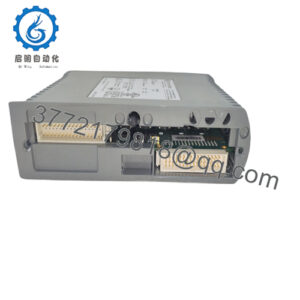
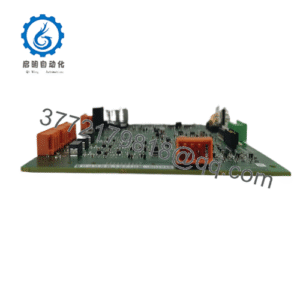
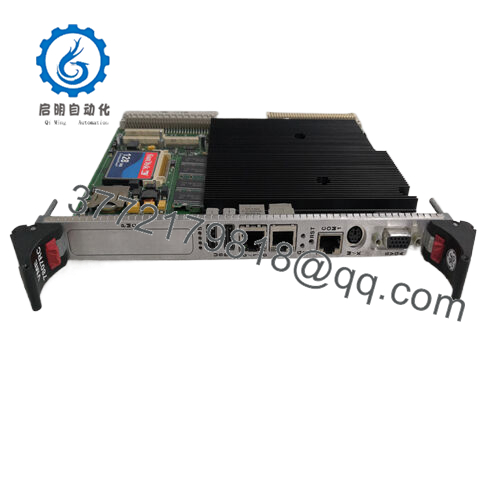
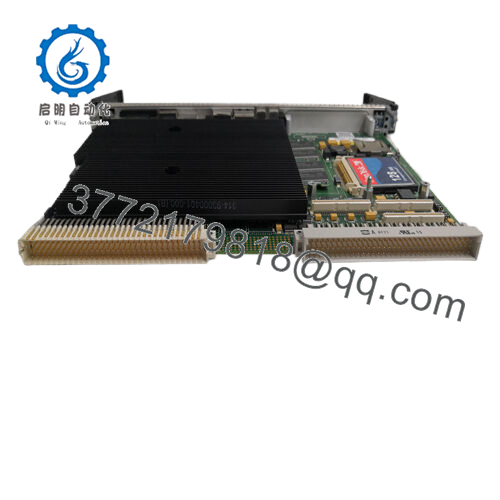
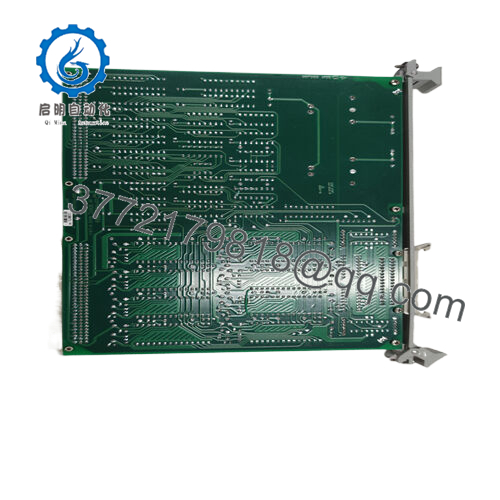
The GE 332-000111 operates as a specialized speed terminal board, typically used in conjunction with the Mark VIe control platform. It serves as the physical termination point for passive or active speed sensors, such as Magnetic Pickup Units (MPUs). Positioned at the edge of the control system, it captures raw sinusoidal or square-wave frequency signals and prepares them for the control processors. The module is deeply integrated into the backplane systems of the GE Speed Protection or Turbine Control cabinets, where it interacts directly with turbine protection modules to facilitate real-time decision-making.
One of the standout features of the GE 332-000111 is its support for modular redundancy. In many turbine applications, these boards are deployed in Triple Modular Redundant (TMR) configurations, where three separate signals are compared to ensure that a single sensor or board failure does not lead to a nuisance trip or, conversely, a failure to trip during an actual overspeed event. The board includes sophisticated diagnostics that monitor the health of the input circuits, detecting open or short circuits in the field wiring. This level of transparency allows the automation stack to maintain high availability while providing the granular data needed for predictive maintenance. When the GE 332-000111 is properly seated within its rack, it functions as a low-latency gateway that keeps the turbine’s governor system perfectly synchronized with physical rotation.
Technical Highlights Summary (Table)
| Specification | Details |
| Model Number | GE 332-000111 |
| Brand | GE (General Electric) |
| Type | Speed Terminal Board / Input Module |
| Input Voltage | 24V DC / Passive Pulse Support |
| Operating Temp Range | -30 to +65°C |
| Mounting Style | Cabinet / Rack Mount |
| Dimensions | Standard Mark VIe Form Factor |
| Weight | 0.45 kg (approx.) |
| Interface/Bus | IONet / Proprietary GE Backplane |
| Compliance | CE, UL, CSA Class I Div 2 |
| Supported Protocols | Proprietary GE Mark VI/VIe Speed Bus |
| Typical Power Draw | 1.2W |
Real-World Benefits
Choosing the GE 332-000111 provides an immediate boost to the operational safety margin of any facility managing high-inertia rotating machinery. Because the board is engineered for the specific electrical characteristics of industrial speed sensors, it eliminates the need for external signal conditioners or third-party converters that can introduce lag or potential points of failure. This reduces engineering overhead significantly, as the integration between the terminal board and the Mark VIe controller is native, requiring minimal software scaling to achieve accurate RPM readings.
Furthermore, the GE 332-000111 ensures long-term performance in environments characterized by extreme vibration and heat. Unlike general-purpose I/O modules, the components on this board are selected for their thermal stability, preventing “drift” in frequency calculations that could lead to inaccurate speed reporting over time. This performance consistency is vital for meeting the stringent regulatory requirements of the energy sector. By deploying the GE 332-000111, maintenance teams benefit from a “set and forget” reliability that allows them to focus on broader plant optimizations rather than troubleshooting intermittent signal ghosts.

- 332-000111
Typical Use Cases
The GE 332-000111 is most commonly used in power plants for the management of large steam and gas turbines. In these settings, it provides the primary speed feedback loop for the turbine governor, which regulates fuel flow based on rotational frequency. It is also frequently found in centrifugal compressor applications within the oil and gas industry, where maintaining a precise speed is essential for process efficiency and preventing surge conditions.
In critical system uptime environments, such as nuclear power facilities or large-scale marine propulsion systems, the GE 332-000111 is used to provide the overspeed protection logic that acts independently of the main control software. Its ability to operate reliably in harsh conditions—including the high electromagnetic fields found near heavy switchgear—makes it the preferred choice for engineers who cannot afford a signal failure. Whether it is monitoring a 50Hz utility generator or a variable-speed industrial drive, the GE 332-000111 delivers the precise data required for modern industrial safety standards.
Compatible or Alternative Products
GE IS200TRPAS1A – A speed terminal board often used in TMR applications for the Mark VIe.
GE IS215VPROH1B – An emergency turbine protection module that works alongside speed boards.
GE 332-000112 – A variation of the speed board with different input impedance characteristics.
GE IS200VPROH1B – A VME-based protection module for older Mark VI architectures.
GE IS200TBTCH1B – A thermocouple terminal board for comprehensive turbine temperature monitoring.
GE IS200STCIH1A – A contact input terminal board for managing auxiliary turbine states.
Setup Notes & Maintenance Insights
When preparing to install the GE 332-000111, the first priority is verifying the shield grounding scheme of your speed sensor cables. High-frequency signals are highly susceptible to noise; therefore, ensuring that the shield is grounded only at the terminal board end is essential for preventing ground loops. Check that the jumpers or DIP switches on the board are configured for the correct sensor type—passive MPUs and active proximity probes require different voltage thresholds. It is also wise to verify that the IONet cabling is securely seated, as this is the lifeline between the GE 332-000111 and the control processors.
Maintenance for the GE 332-000111 is straightforward but requires a disciplined approach. Periodically inspect the screw terminals for oxidation, especially in environments with high humidity or corrosive gases. Using a fluke meter to verify the frequency output from the field sensors at the board level during a planned outage can help identify degrading sensors before they trigger a system fault. While the board is rugged, maintaining the cabinet’s cooling fans and filters is the best way to prevent the long-term thermal stress that can eventually lead to component fatigue in the onboard capacitors.