 WhatsApp: +86 16626708626
 Email:
  Phone: +86 16626708626
Description
Key Technical Specifications
- Manufacturer: GE
- Model: DS200FSAAG2A
- Series: Mark V
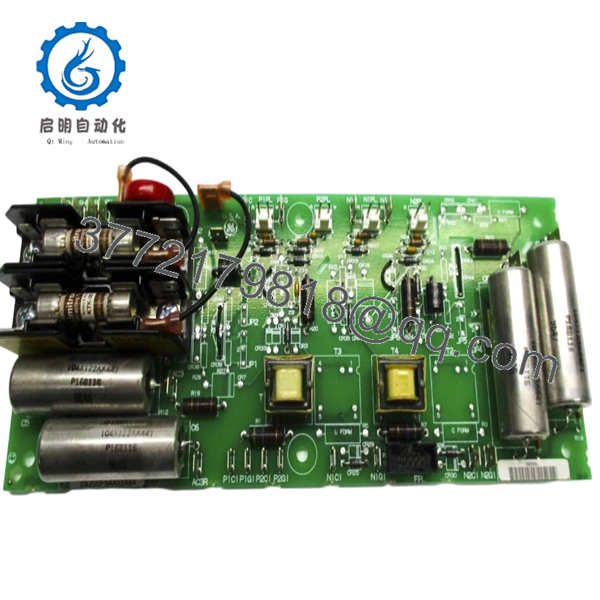
- Board Type: Field Supply Gate Amplifier
- Function: Drive control and gate
- Jumpers: 5 onboard
- Connector: 1 ten-pin connectorkorean.
- Fuses: 2 onboard fuses, reported as 30 A fast-acting type in supplier documentation
- Weight: 0.01 lbs listed by one supplier
- Availability: Commonly stocked through industrial surplus
Product Introduction
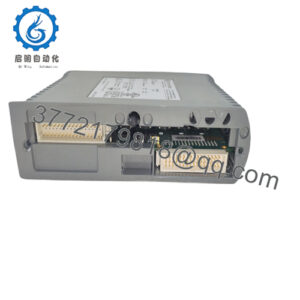
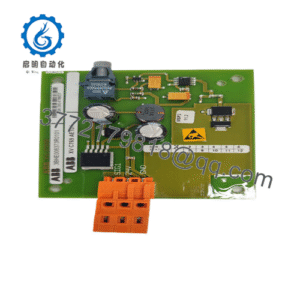
GE DS200FSAAG2A is a Mark V field supply gate amplifier board used in GE drive control systems. It is described by suppliers as a field supply amplifier or gate amplifier board, and it belongs to the DS200 Mark V turbine control family.
This board is a practical replacement part when the installed Mark V unit has failed or shows fuse-related faults. The key buying point is exact suffix match, because this family uses jumpers, connector layout, and fuse details that need to align with the original

- DS200FSAAG2A
Troubleshooting Quick Reference
| Symptom | Possible Cause | Relevance to This Part | Quick Check Method | Recommendation |
|---|---|---|---|---|
| No board response after power-up | Blown fuse or missing supply | ✅ High | Measure supply at the board and check both onboard fuses with a meter | Inspect fuses first before replacing the board |
| Drive alarm or gate fault | Gate amplifier failure or mismatch | ✅ High | Compare alarm codes with the Mark V manual and check board revision | Verify the suffix and fuse condition before swap |
| Intermittent trip during operation | Loose connector or jumper mis-set | ✅ High | Inspect the ten-pin connector and match all five jumper positions to the old board | Copy jumper settings exactly and reseat the board |
| Board appears dead but fuses are good | Internal PCB failure | ✅ Medium | Check for burn marks, hot spots, and abnormal component resistance | Replace only after confirming power and wiring are correct |
| Fault returns immediately after swap | External wiring or upstream drive issue | ❌ Low | Check cabinet wiring, field supply, and the rest of the drive chain | Do not assume the board is the root cause |
| Uneven output or unstable behavior | Signal conditioning or configuration issue | ✅ Medium | Verify input conditions and compare with the original board setup | Confirm configuration before ordering a second replacement |
If the fault is still unclear, send photos of the board, fuse markings, jumper positions, and alarm logs to technical support.
Frequently Asked Questions
Q: Is DS200FSAAG2A a direct replacement for my old board?
A: Usually yes, but only if the suffix and jumper layout match your original unit. Mark V boards are not forgiving when the revision or connector style is off by even a little.
Q: What should I check before installing it?
A: Check the two fuses, all five jumpers, the ten-pin connector, and the board label. I would also photograph the old board before removal so you can mirror the settings exactly.
Q: Is this board hot-swappable?
A: No, I would not treat it that way. Power down the cabinet first, because pulling a live drive board is a fast way to create a larger failure.
Q: Why is this part often sold as surplus?
A: Because Mark V hardware is legacy inventory, not active production stock. That is normal, but it means the seller should prove identification, condition, and test status.
Q: Why is my board cheaper from a surplus seller than from OEM channels?
A: Because surplus stock is usually pulled from excess inventory, shutdown projects, or decommissioned systems. Lower price is fine, but only if the part is correctly labeled and tested.
Q: Can I reuse my old jumper settings?
A: Yes, and you should. Take a clear photo of the old board before removal, then set the replacement to the same jumper positions before you power up.
Q: What usually fails on this board?
A: The first thing I check is the fuse pair, then connector condition, then jumper placement. That sequence catches a lot of field problems without wasting time on a needless board swap.