 WhatsApp: +86 16626708626
 Email:
  Phone: +86 16626708626
Description
3. Key Technical Specifications
- Product Type: Terminal Board (Signal Termination PCB)
- Series: GE Mark V Speedtronic
- Primary Function: Field wiring interface and signal distribution
- Signal Type: 24 V DC control signals
- System Integration: Mark V turbine control cabinet
- Interface: Edge connector to I/O/control boards
- Termination Method: Screw/terminal block wiring
- Operating Temperature: 0 to 55°C
- Storage Temperature: −40 to +85°C
- Mounting: Cabinet-installed, fixed panel/rack slot
- Dimensions: Approx. 260 × 180 × 40 mm
4. Product Introduction
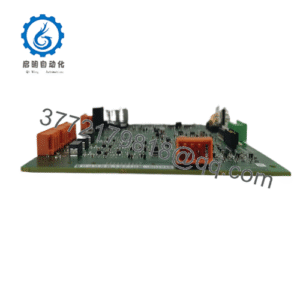
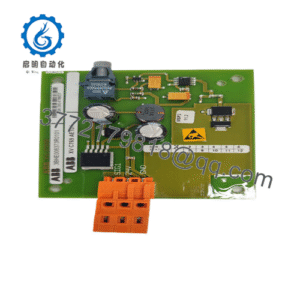
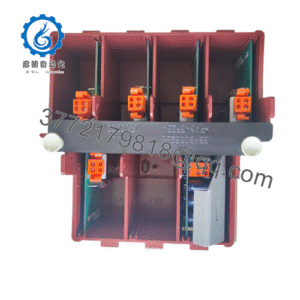
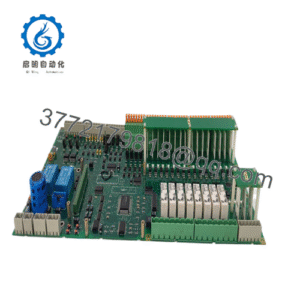
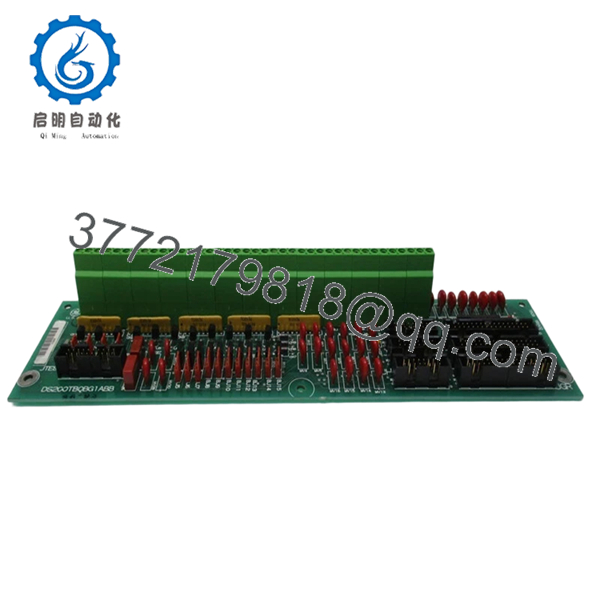
The GE DS200TBQBG1ABB is a terminal board used in the Mark V Speedtronic system, providing the physical interface between field wiring and internal control electronics. It routes and stabilizes 24 V DC control signals between sensors, actuators, and I/O modules.
In turbine control cabinets, this board acts as the wiring layer—organizing hundreds of field connections and protecting upstream control cards. Engineers typically replace it when terminals degrade, insulation weakens, or intermittent signal faults appear. It is functionally simple, but critical for system reliability.

- DS200TBQBG1ABB
5. Installation & Configuration Guide
Stage 1: Pre-Installation Preparation (Estimated Time: 15 min)
- ⚠️ Safety First:
- Notify operations and bring turbine/control system to safe shutdown
- Lock out/tag out all power sources
- Wait minimum 5–10 minutes for cabinet discharge
- Tools Required:
- ESD wrist strap
- Flathead + PH1 screwdriver
- Multimeter (Fluke 115 recommended)
- Wire labels
- Smartphone
- Data Backup:
- Take clear photos of every terminal strip
- Label all field wires (critical)
- Document terminal numbering and cable routing
Stage 2: Removing the Old Module (Estimated Time: 15–20 min)
- Open control cabinet and locate TBQB board.
- Label each wire before removal (do not rely on memory).
- Disconnect wiring systematically—one terminal group at a time.
- Remove mounting screws or release brackets.
- Pull board straight out from connector interface.
- ⚠️ Note:
This is not a plug-and-play board—miswiring is the #1 failure point during replacement.
Stage 3: Installing the New Module (Estimated Time: 20–30 min)
- Apply ESD protection.
- Verify exact model: DS200TBQBG1ABB (revision must match).
- Mount the board securely in cabinet slot.
- Reconnect wiring exactly as documented.
- Torque terminals properly—loose connections cause intermittent faults.
- Self-Checklist:
- All wires match original positions
- Terminals tightened correctly
- No exposed conductors
- Board securely mounted
Stage 4: Power-On & Testing (Estimated Time: 20–30 min)
- Pre-Power Check:
- Continuity check on critical circuits
- Verify no shorts between adjacent terminals
- Power-On Steps:
- Energize control cabinet
- Monitor system startup
- Verify I/O signal integrity
- Check for noise or unstable readings
- Return system to operation
- ⚠️ Troubleshooting Note:
- Intermittent signals → loose terminal or grounding issue
- No signal → incorrect wiring or open circuit
6. Frequently Asked Questions (FAQ)
Q1: Is DS200TBQBG1ABB just a terminal board or does it process signals?
It’s primarily a passive interface board. It organizes wiring and may include basic protection or filtering, but it doesn’t execute control logic.
Q2: Can I hot-swap this board?
No.
Even though it looks passive, removing it under power can interrupt critical control signals and trip the turbine. Always shut down first.
Q3: What’s the biggest risk during replacement?
❗ Miswiring.
I’ve seen a single swapped pair trigger a false trip signal during startup. Label every wire—don’t skip this step.
Q4: Are all DS200TBQBG1 variants interchangeable?
Not always.
Revisions (AAA, ABB, ACB, etc.) may have terminal layout or minor electrical differences. Always match the exact suffix.
Q5: Why replace a terminal board if it has no active components?
Because failure still happens:
- Terminal oxidation
- Loose connections from vibration
- Insulation breakdown
These cause intermittent faults that are extremely difficult to diagnose.
Q6: Is this model still available new?
Only as surplus inventory. Lead times vary, and true unused stock is limited.
Q7: Do I need to recalibrate anything after replacement?
No calibration required, but you must verify every signal path. This board directly affects field I/O integrity.