 WhatsApp: +86 16626708626
 Email:
  Phone: +86 16626708626
Description
3. Key Technical Specifications
| Parameter | Value |
| Control System | Speedtronic Mark V |
| Board Acronym | TCQA |
| Microprocessor | On-board 80C196 processing |
| Analog Inputs | 15 Differential or Single-Ended |
| Analog Outputs | 12 (0-20 mA or 4-20 mA) |
| Connectors | 3PL (J-bus), JQ, JR, JS |
| Form Factor | Full-height VME-style board |
| Input Resolution | 12-bit A/D Conversion |
| Operating Temp | 0 to 50°C (32 to 122°F) |
| Storage Temp | -40 to +70°C (-40 to 158°F) |
4. Product Introduction & Supply Chain Strategy
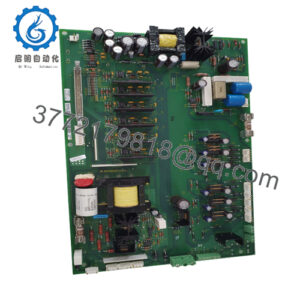
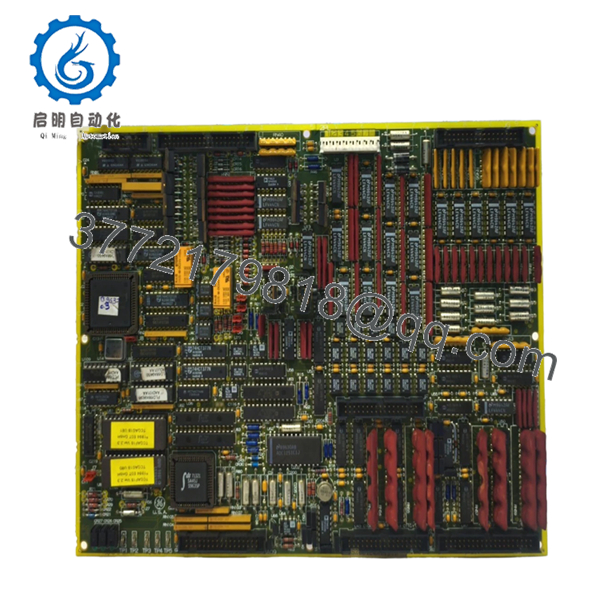
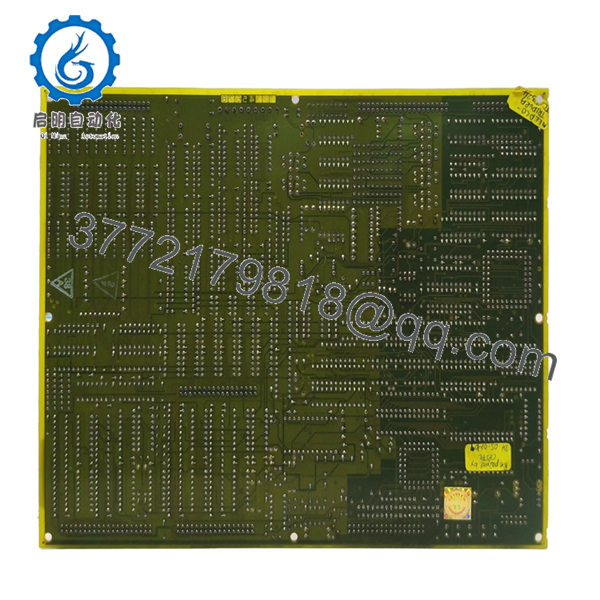
The GE DS200TCQAG1BGD serves as a primary Analog I/O Board within the Mark V Speedtronic turbine control system. It facilitates the conversion of field sensor data into actionable digital signals for the controller and transmits precision commands back to actuators. This board is essential for maintaining closed-loop control over critical turbine parameters like temperature, pressure, and vibration.
Procuring this module as New Surplus is a high-ROI strategy for aging power generation assets. As the Mark V system is now in the legacy phase of its lifecycle, relying on refurbished boards introduces significant risk; aged capacitors and thermal stress on legacy chips can lead to sudden trips. Securing a factory-fresh surplus unit ensures maximum MTBF (Mean Time Between Failure) and eliminates the 10x-50x costs associated with unplanned downtime during peak demand periods.

- DS200TCQAG1BGD
- DS200TCQAG1BGD
5. Installation & Configuration Guide
Stage 1: Pre-Installation (Prep & Safety)
Ensure the turbine is in a safe state and follow standard lock-out/tag-out procedures for the control cabinet. Wear a grounded ESD wrist strap before handling the board. Take high-resolution photos of all cable connections (J-bus, JR, JS) and document the positions of any hardware jumpers or DIP switches on the existing board.
Stage 2: Removal
Carefully disconnect all ribbon cables and terminal connectors. Loosen the retention screws at the top and bottom of the card. Use the card pullers to slide the DS200TCQAG1BGD straight out of the rack, ensuring you do not twist the board, which can damage the delicate backplane pins.
Stage 3: Installation (Clone & Seat)
Verify that the jumper settings on your new DS200TCQAG1BGD exactly match the unit being replaced. Align the board with the guide rails and slide it firmly into the slot until the connectors seat fully into the backplane. Reconnect all cables in the exact orientation documented during Stage 1.
Stage 4: Power-On & Testing
Restore power and monitor the front-panel LEDs. Verify that the “RUN” status indicator is active and no “FAULT” or “ERR” LEDs are illuminated. Use the Mark V operator interface to verify that analog feedback from the field (e.g., thermocouple data) is registering correctly before attempting to restart the turbine.
6. Firmware/Software Versions & Upgrade Notes
- Recommended Firmware: Ensure the EPROM chips (typically labeled with U6 and U7) match the revision level of your existing system architecture.
- Compatibility: This ‘G1BGD’ revision is backward compatible with most standard Mark V cores, but specific I/O scaling may vary if transitioning from much older ‘G1’ revisions.
- Upgrade Risk: Swapping firmware chips from an old board to a new one is possible but carries a high risk of ESD damage or pin breakage. We recommend using the firmware pre-installed on the new surplus board unless a specific version mismatch is flagged by the control logic.
7. Frequently Asked Questions (FAQ)
Is this board actually new, or just cleaned up?
This is a New Surplus unit. It has never been commissioned in a plant. While the outer box may show shelf wear from storage, the board itself is factory-original, with zero solder fatigue and pristine gold contacts.
Why is the price higher than the “refurbished” units I see online?
Refurbished units are often pulled from decommissioned sites and have thousands of hours of thermal wear. Our price reflects the rarity and reliability of “Zero-Hour” hardware. Paying a 20% premium now prevents a $50,000 loss in revenue caused by a refurbished board failing during a peak run.
Can I hot-swap the DS200TCQAG1BGD while the Mark V is powered?
No. Hot-swapping cards in a Mark V rack can cause electrical arcs that damage the backplane or adjacent processors. Always power down the specific core before replacement.
Does this board require specialized software to initialize?
The board will be recognized by the Mark V EEPROM configuration once seated. However, you may need to perform an I/O calibration via the processor interface to ensure signal accuracy for your specific sensors.
What is the warranty on this legacy part?
We provide a 12-month replacement warranty. Because we verify these boards through a rigorous QC process, we are confident they will perform to original OEM specifications.