 WhatsApp: +86 16626708626
 Email:
  Phone: +86 16626708626
Description
3. Key Technical Specifications
| Parameter | Value |
| Manufacturer | GE Energy / General Electric |
| System Compatibility | Speedtronic Mark IV Control Systems |
| Output Type | TTL / CMOS Compatible Digital Frequency |
| Onboard Components | Logic Gates, Oscillators, and Precision Resistor Networks |
| Connection Interface | Edge Card Connector (Gold-plated) |
| Test Points | Integrated front-facing TP for signal verification |
| Revision Level | D (Standard Group D Hardware) |
| Power Requirements | +5 VDC / +/- 15 VDC from System Power Supply |
4. Product Introduction & Supply Chain Strategy
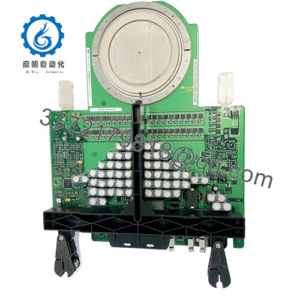
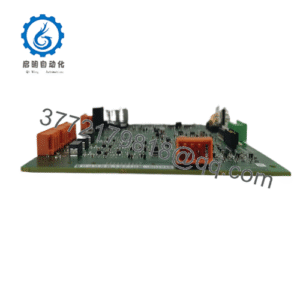
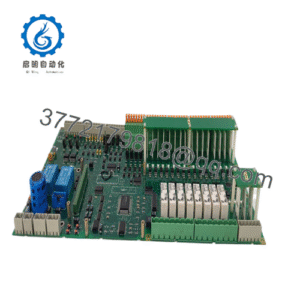
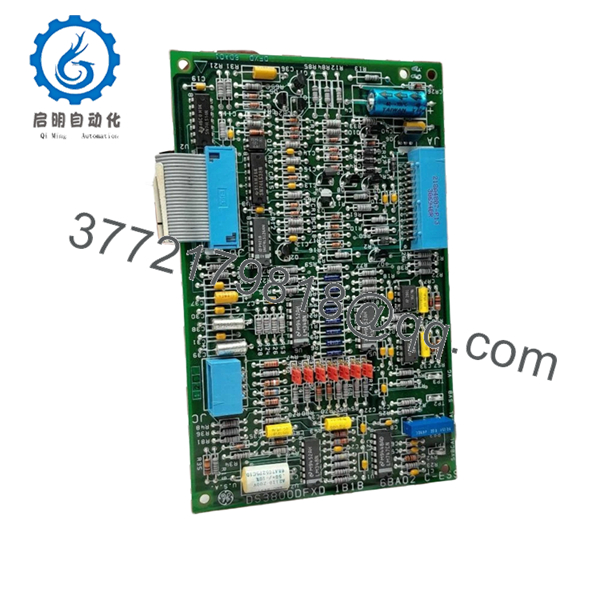
The GE DS3800DFXD is a specialized frequency output card designed for the Speedtronic Mark IV turbine control platform. Its primary role is to provide stable timing and frequency reference signals used for pulse-width modulation, speed sensing emulation, or synchronization between control cores. This module is critical for ensuring the turbine’s governor logic receives jitter-free timing data.
As the Mark IV system is now well beyond its original manufacturing lifecycle, sourcing this board as “New Surplus” is a vital move for plant reliability. Refurbished Mark IV boards are prone to “trace rot” and failing logic chips due to decades of heat exposure in control rooms. Investing in New Surplus DS3800DFXD inventory mitigates the risk of sudden frequency drift or timing failures, which can cause catastrophic turbine trips and lead to massive unplanned outages.

- DS3800DFXD
5. Installation & Configuration Guide
Stage 1: Pre-Installation (Prep & Safety)
Ensure the Mark IV rack is fully de-energized. Use a grounded ESD wrist strap, as the legacy logic chips on this board are highly susceptible to static damage. Before removal, take a high-resolution photo of any wire jumpers or configuration headers on the existing board.
Stage 2: Removal
Unlock the board ejector tabs at the top and bottom of the rack. Gently slide the DS3800DFXD out of its guide rails. Avoid touching the gold edge connectors with your bare hands, as skin oils can cause oxidation and communication errors over time.
Stage 3: Installation (Clone & Seat)
Verify the new board’s jumpers match the original configuration. Align the gold edge connector with the backplane slot and slide the board in until it is firmly seated. Lock the ejector tabs to ensure the board remains secured during operation-induced vibration.
Stage 4: Power-On & Testing
Power up the Mark IV core and check the diagnostic LEDs. Use an oscilloscope or a high-frequency multimeter at the front-panel test points (TP) to verify that the output frequency matches the system’s setpoint. Monitor for “Board Missing” or “Timing Mismatch” alarms on the operator console.
6. Firmware/Software Versions & Upgrade Notes
The DS3800DFXD is a hardware-level logic board and does not typically require individual firmware downloads. However, it must be compatible with the master timing constants stored in the Mark IV’s EPROMs. If replacing a very early revision (Rev A or B), ensure that your system’s backplane wiring supports the G-level hardware enhancements found in the D-revision to avoid signal interference.
7. Frequently Asked Questions (FAQ)
How is “New Surplus” different from a used board?
Our New Surplus units have never been installed in a working system. They have zero hours of thermal stress, meaning the capacitors and logic gates are at 100% of their design life. Used boards are often “pulls” from decommissioned plants and are nearing their MTBF (Mean Time Between Failure) limit.
Why is frequency stability so important on this board?
The DS3800DFXD provides the clock signal for much of the control logic. If the frequency drifts even slightly, it can lead to synchronization errors between the , , and cores, causing a “Voting Mismatch” trip.
Does this board require calibration upon installation?
While the onboard crystal is factory-tuned, you should always verify the output at the test points during commissioning to ensure it aligns with your specific turbine’s requirements.
Are the edge connectors protected?
Yes, each New Surplus board is shipped with a protective cover or in an ESD bag that keeps the gold contacts clean and free from scratches.
What happens if a frequency board fails?
Usually, a failure will trigger a “Diagnostic Alarm.” If the signal is lost completely, the system may lose the ability to synchronize, leading to a controlled shutdown or an emergency trip depending on your redundancy configuration.